Mission
To protect and restore marine environments through scientific action, field research, and global education. We foster understanding and inspire change for a sustainable future.

The ocean is not just a place to study. It's a place to live, protect, and connect with. Meet the field centre in southwest Lombok, and the people who run it.
Who we are
We are a marine research and conservation field centre based on the island of Lombok, Indonesia, bringing together scientists, students, divers, and conservationists from around the world.
By combining rigorous science, hands-on fieldwork, and immersive education, SORCE creates opportunities for people of all backgrounds to explore the ocean first-hand, contribute to real-world conservation, and develop skills that last a lifetime.
Whether you join us for an expedition, our A-Level course, or one of our short courses and workshops, you become part of an international community working for healthier seas and a brighter future.
Put simply, we protect and restore tropical marine ecosystems, from coral reefs to mangrove forests, while empowering the next generation of ocean leaders.
What we do
As a non-profit environmental and research organisation, we bring these three pillars together to make a positive difference locally and in the worldwide drive to protect marine life.
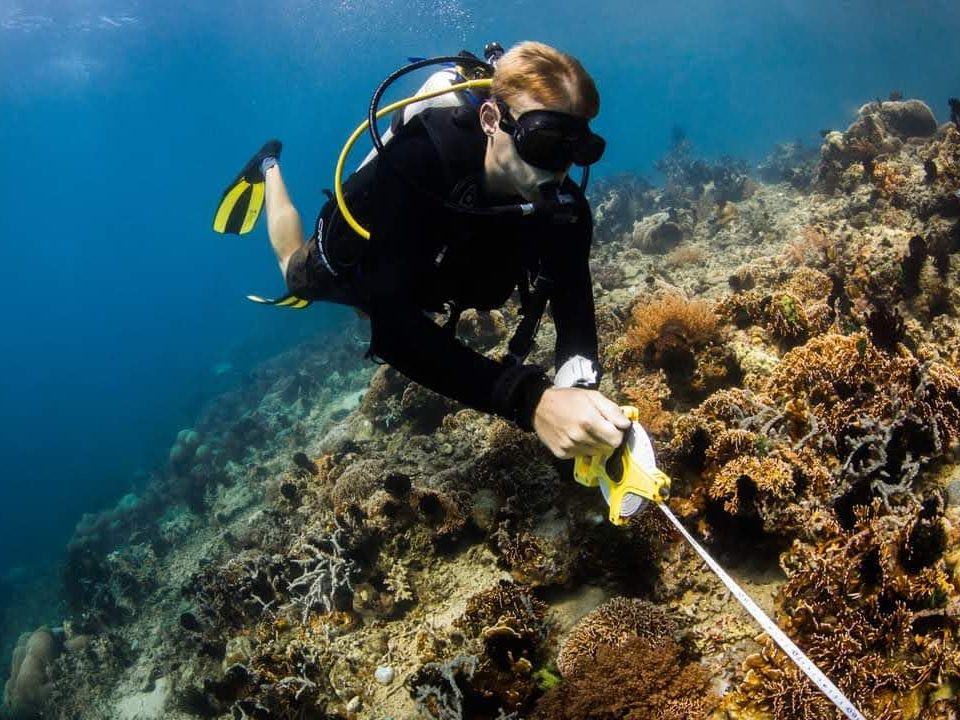
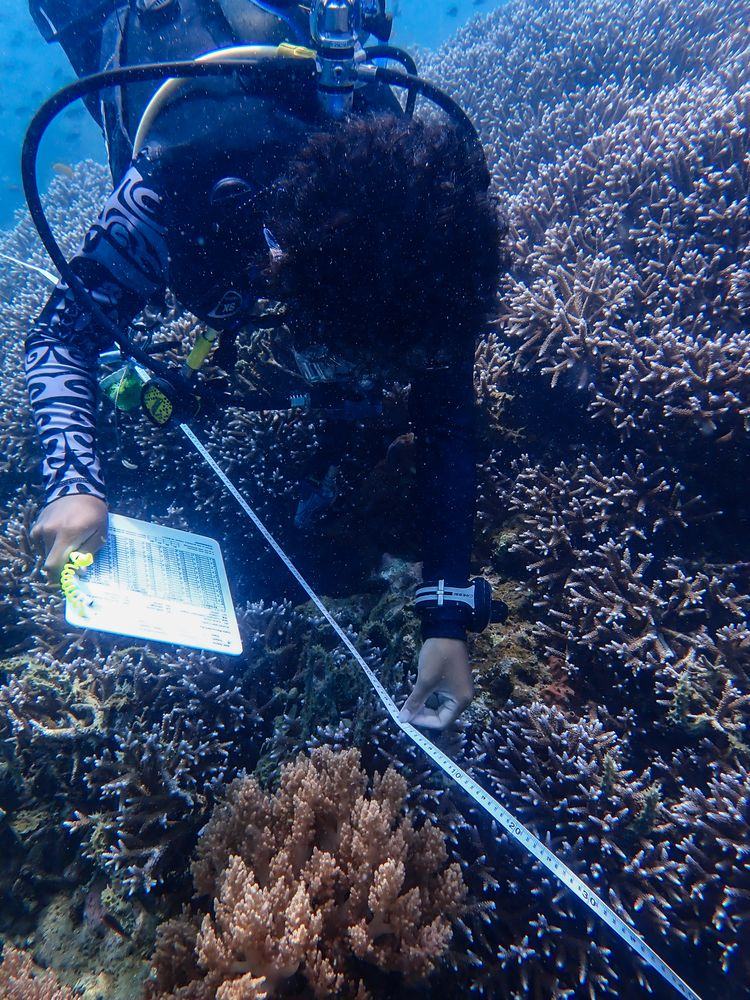 ResearchLong-term studies of coral reefs, seagrass beds, mangroves and priority species, using rigorous scientific methods.Explore our research
 ConservationRestoring habitats, working with local communities, and creating solutions that balance people and planet.See our conservation work
 EducationFrom school leavers to PhD researchers, we provide pathways to learn, explore, and develop professional skills.Discover education & outreach
Mission, Vision & Values
To protect and restore marine environments through scientific action, field research, and global education. We foster understanding and inspire change for a sustainable future.
To restore marine ecosystems to robust health and productivity that can be maintained and improved for generations to come, using sustainable, community-backed methods.
The principles we work by, each one carrying the same weight.
The more people who help find and act on solutions, the more effective we are, and only by working together can we reach our goals.
Conservation is only sustainable when local communities are at the heart of it.
Integrity and respect underpin everything we do: for the environment and the species we protect, and for the people and communities we work with.
We share our work accurately and hold ourselves accountable for all that we do.
Scientific research and academic knowledge are at the root of our work, so it moves us towards meaningful impact.
Marine science should not be a privilege. Indonesian students join us through free or heavily discounted internships.
We motivate and empower people, communities and businesses, giving them the knowledge and drive to act.
Where we are
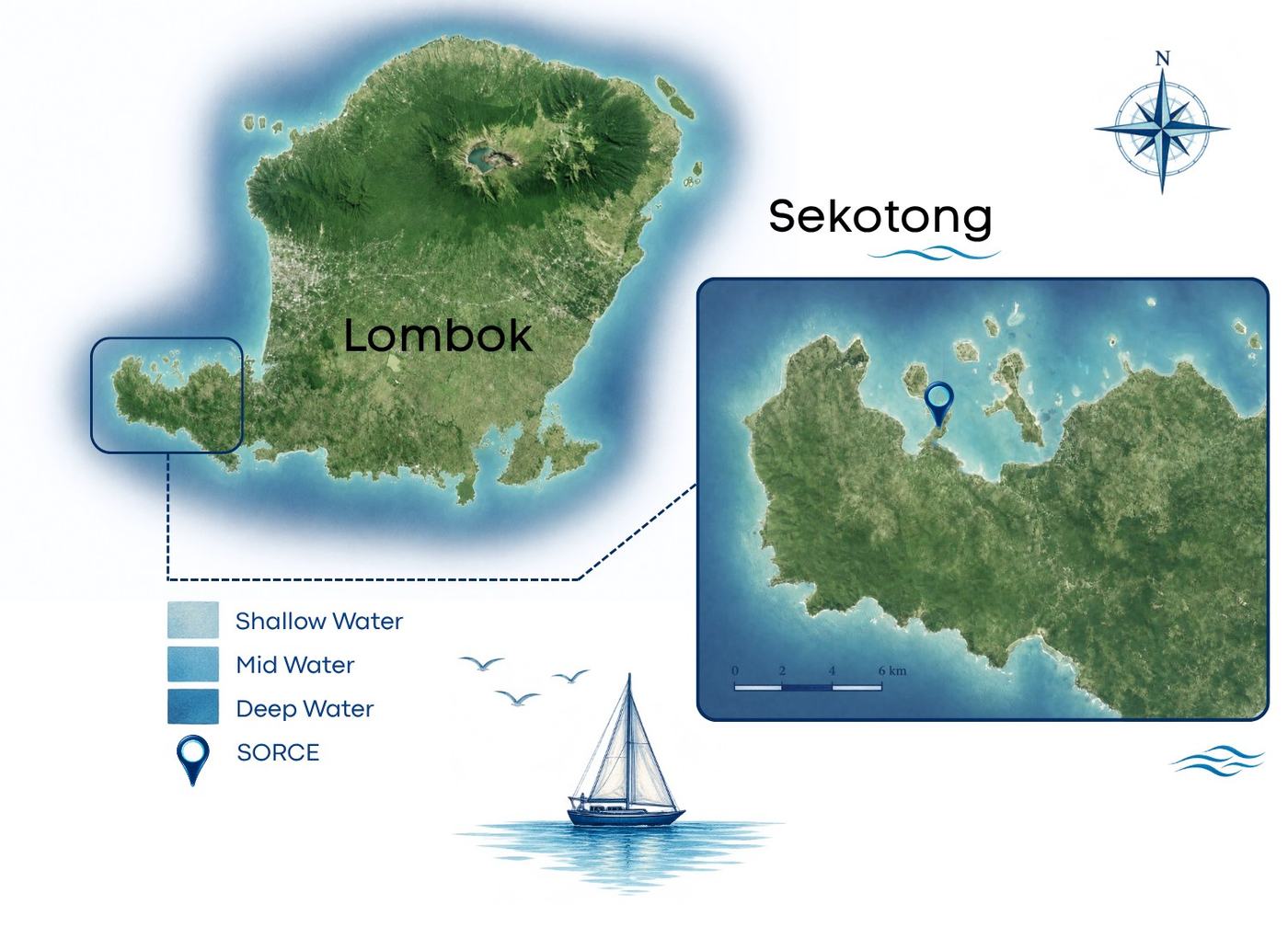
Lombok is situated within the Coral Triangle and the Wallacea biodiversity hotspot - regions of exceptional marine diversity and widely recognised as a global conservation priority.
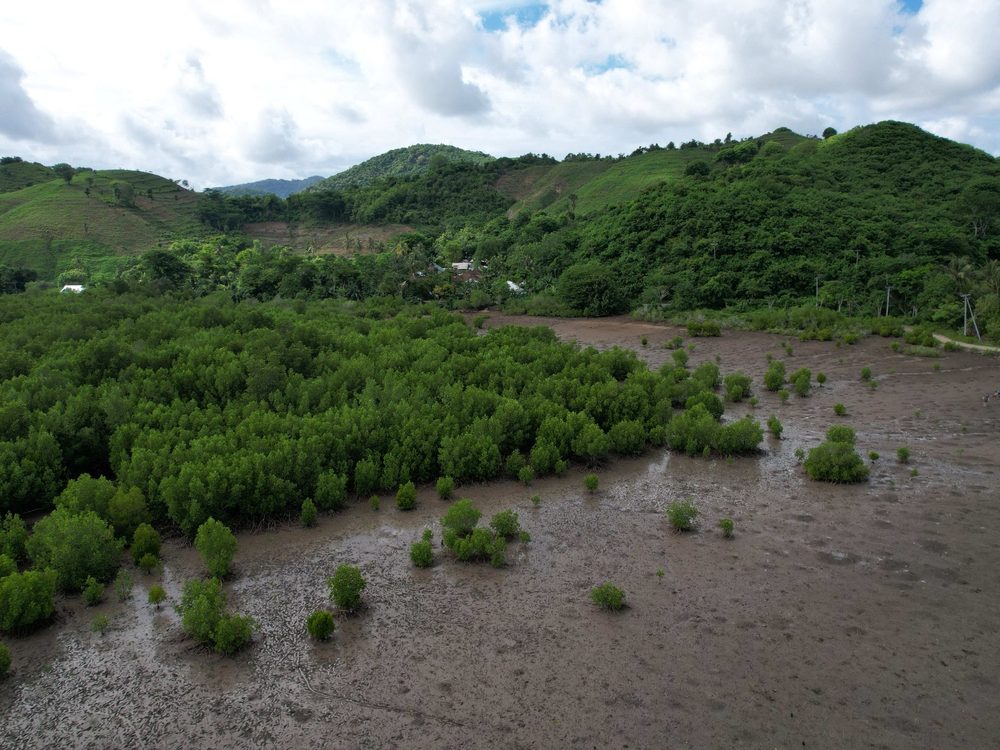
The Sekotong Peninsula, where we are based, is home to the Secret Gilis, 13 relatively untouched islands with abundant marine life, making it ideal for research and conservation.
In 2018 the region was designated the GITA NADA Marine Protected Area, covering more than 18,000 hectares. It is rich in biodiversity, home to everything from tiny pygmy seahorses that live among sea fans, to passing sharks, and the rare, majestic, white-spotted eagle rays.
While the area is officially protected, offering many pristine reef areas, enforcement is limited, and the area faces threats from unsustainable fishing practices, climate change, and unregulated tourism. Historic dynamite fishing and coral bleaching have also left parts of the ecosystem in need of restoration.
Why Indonesia?Why Indonesia?
Indonesia is the world's largest island nation, made up of more than 17,000 islands. It is home to extraordinary marine biodiversity and extensive coastal ecosystems, including beaches, mangroves, coral reefs and seagrass beds.
 2ndlargest reef area of any country
 16%of the world's coral reefs
 76%of the world's coral species live in the Coral Triangle
 2,200+reef fish species in the Coral Triangle
Indonesia lies within the Coral Triangle, one of the most biodiverse marine regions on Earth, which:
Coral reefs are under threat all over the world. The Coral Triangle matters most because so much of what is at stake is found here.
These figures make one thing clear: long-term marine research and conservation in Indonesia and the wider Coral Triangle is critical.
Our field centre
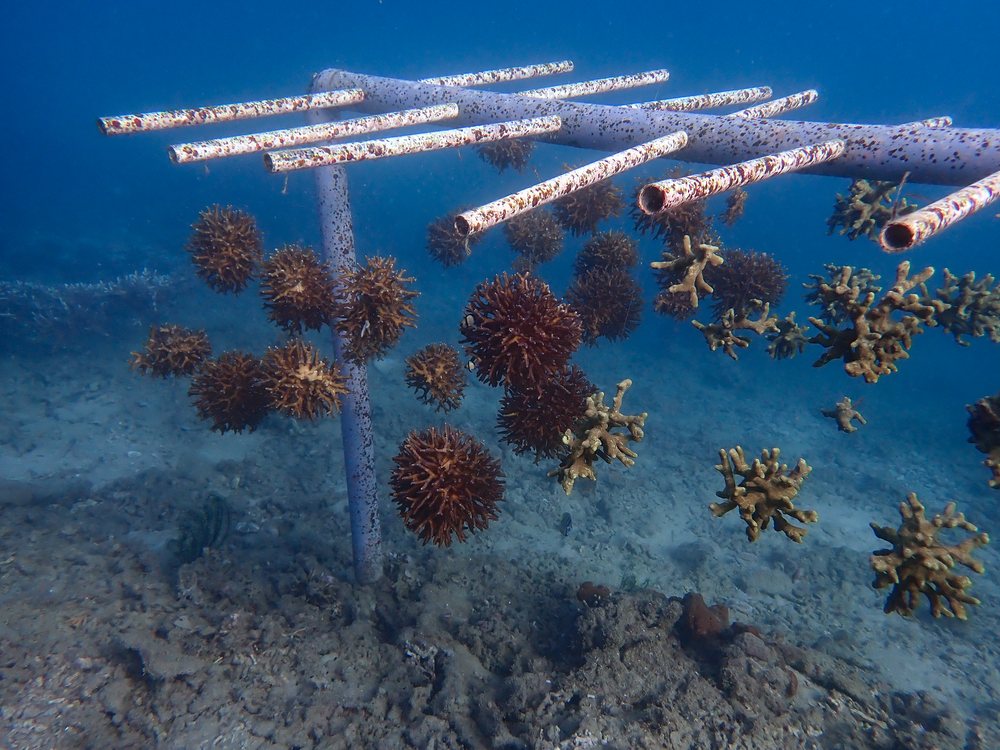
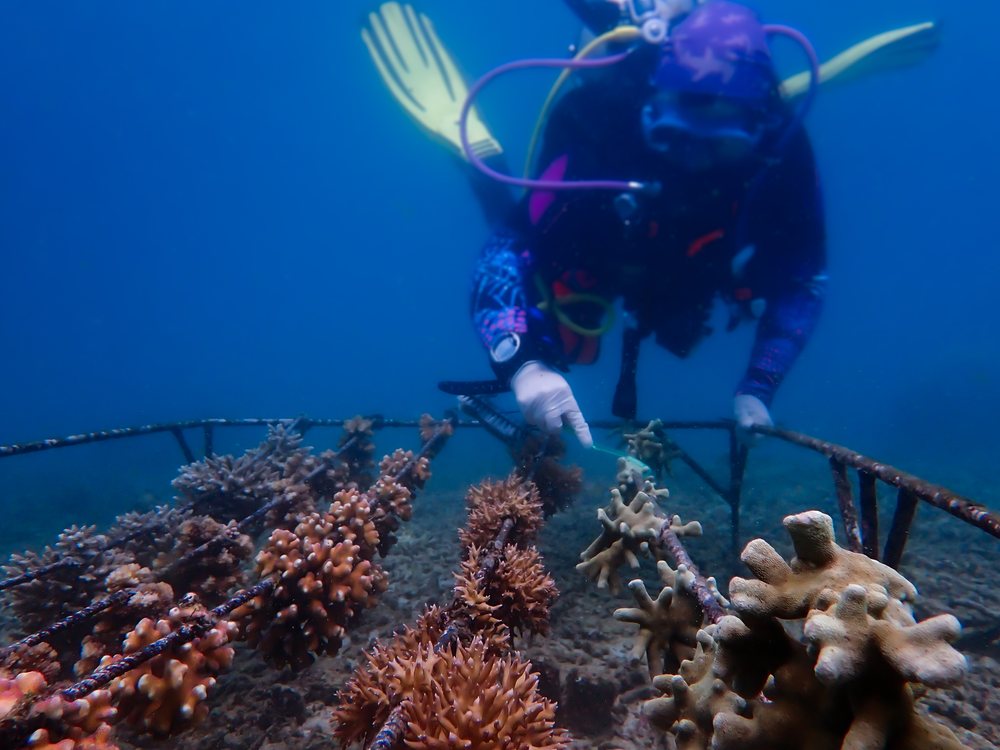
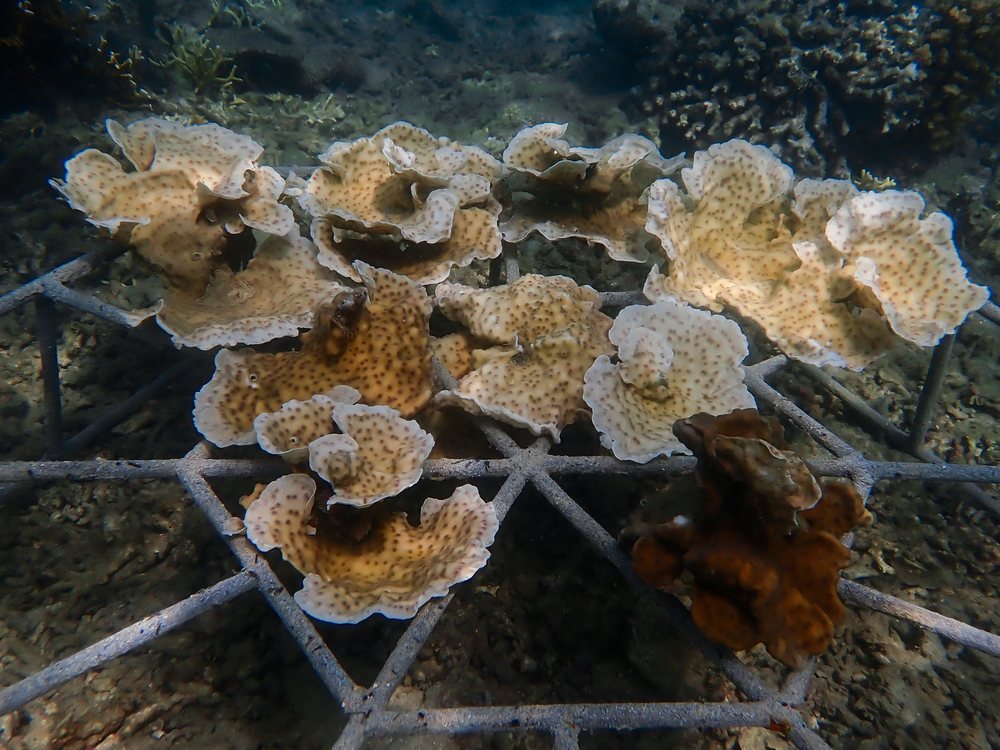
Our modern, sustainable and well-equipped beachside centre sits in the GITA NADA Marine Protected Area, just metres from House Reef, where we have created three nurseries to nurture and grow new corals.
The centre is set right on the beach on Lombok's south-western spit, in a relatively undiscovered area known as the Secret Gilis. These islands remain largely unspoiled, meaning that when we conduct research and conservation activities, it's rare to encounter other dive boats or tourists on the reefs.
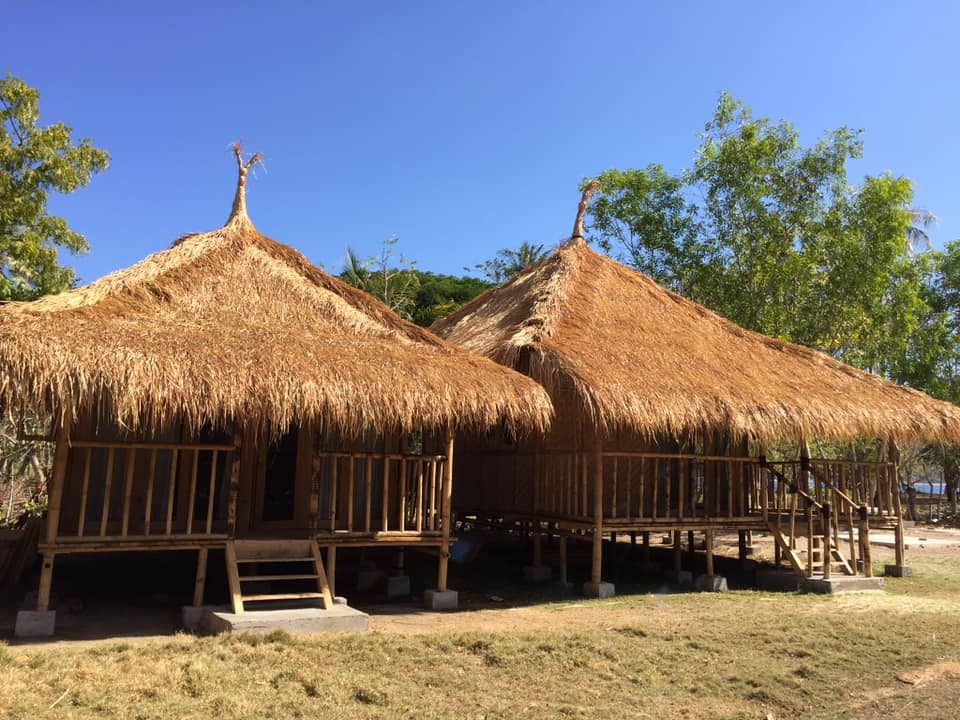
Your own comfortable room in an eco-conscious, Lombok-style hut built from sustainably sourced bamboo and "alang-alang" thatching, set either side of a quiet, shady avenue.
Each hut holds two private rooms, separated by a bamboo divider. A private single room is standard, but the divider can be taken out for people who want to share a whole hut: couples in a double room, or friends in a dorm-style room.
Staff make the beds and sweep the rooms daily. Towels and sheets are changed weekly, and a laundry service is available.
The heart of the centre, with its own bar. It's where we have all our meals and hang out in the evenings, and the place for dive briefings, practical training sessions, and evening entertainment: movie nights, games nights, and more.
There are bean bags, books, games, yoga mats and sports equipment, a constant supply of free tea, coffee and cold water, a tuck shop for snacks and soft drinks, and a darts board mounted just outside.
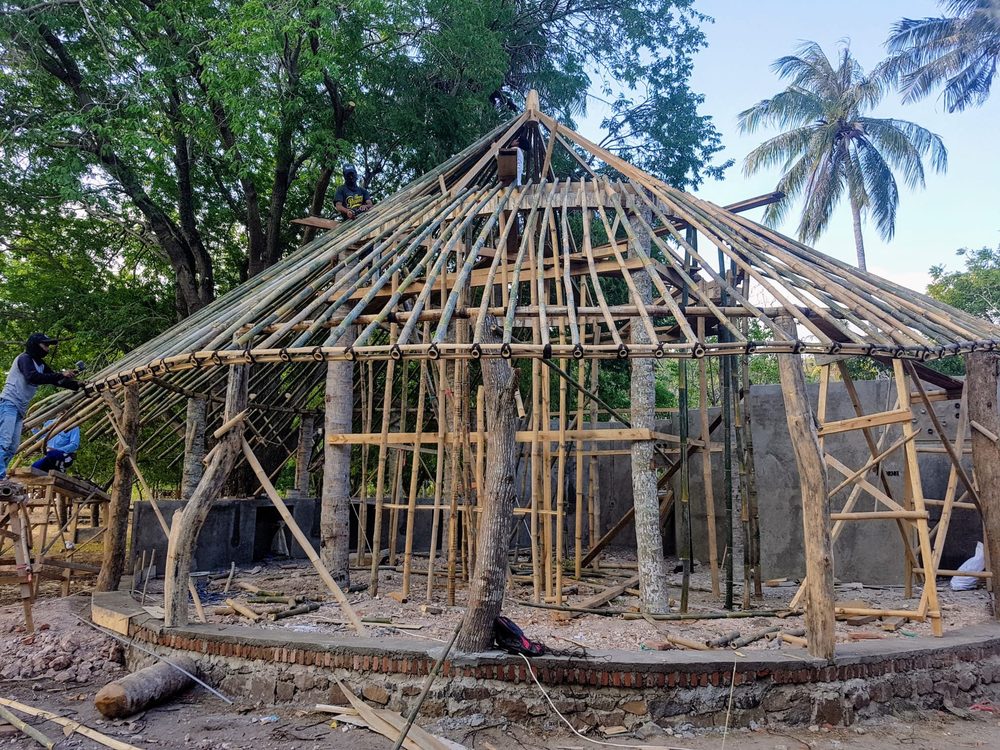
Set back from The Den, on the other side of the site, our bamboo classroom provides a dedicated space for lectures, workshops, and course materials, combining sustainable design with functionality. With educational posters lining the walls and science shelves filled with books, papers, and ID guides, there is always something to learn.
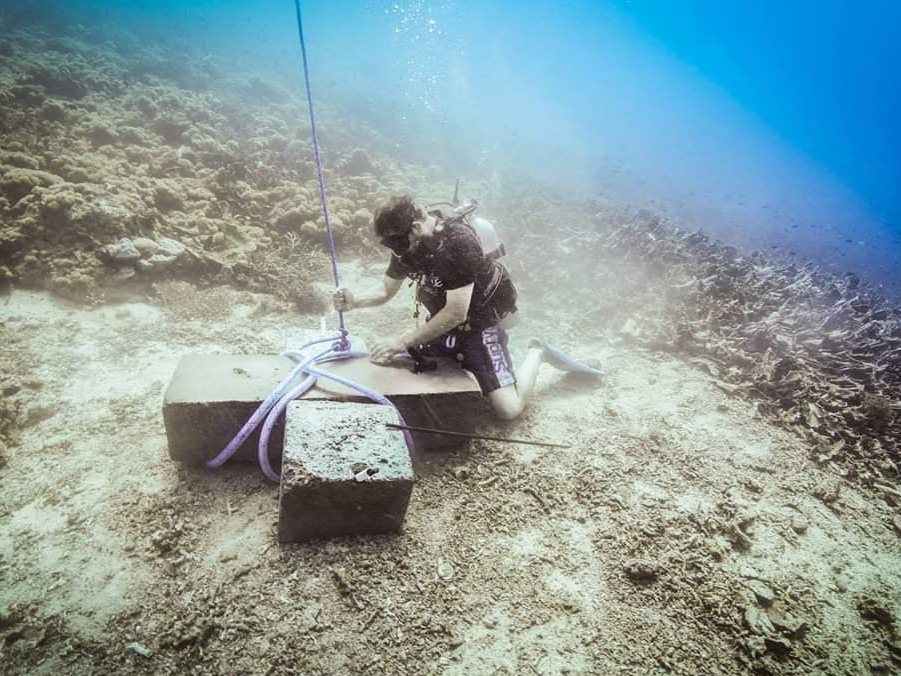
At the back of the site, our conservation work shed is where many of our artificial reef structures are made. It also houses our recycling zone and our compressor, so we always have enough dive tanks to get under the water as much as possible.
Close to the beach and our two dive boats, the dive store houses all our scuba and project equipment, so whatever the nature of the dive, everything is in one place. It lets you get straight into the water for shore dives on two of our House Reef nurseries, and like the rest of the centre it is built from locally sourced, sustainable materials.
Behind The Den you'll find our kitchen, where our catering team freshly prepares breakfast, lunch and dinner: a varied menu that includes Indonesian specialities, curries and burgers.
Highlights include Sunday Funday pizza nights in our own turtle-inspired wood-fired pizza oven, burger nights, lasagne nights and a Sunday roast. We cater for vegetarians and vegans, and can adapt the menu for people with allergies.
A hammock area sits right next to the beach, with a fire pit for evening gatherings. Wooden benches and bamboo "barugas" offer beach seating, while our ocean-facing hangout platform is the perfect place to pull up a beanbag or take part in some ocean-view yoga.
You can also enjoy quiet strolls along the beach, past the mangroves or through the woods, which are full of birds and animals, including a troop of macaques.
From a volleyball net and basketball court to table tennis and badminton sets, we have a broad range of sporting options. Head up to our recycled gym towards the back of the site and get a pump with our home-made equipment.
Runners have woodland routes of a couple of kilometres, or 5k to 10k along the quiet roads through nearby villages. Mats are available for yoga, Pilates or stretches on the wooden platform overlooking the ocean.
We have a modern, dedicated toilet and shower block for our guests, with individual shower cubicles and separate washing and toilet facilities - all kept to immaculate standards.
Located next to The Den, the staff house was originally the home of Kara, Mike and their children. Now repurposed, it provides accommodation and working space for some of our live-in scientists.
Meet the team
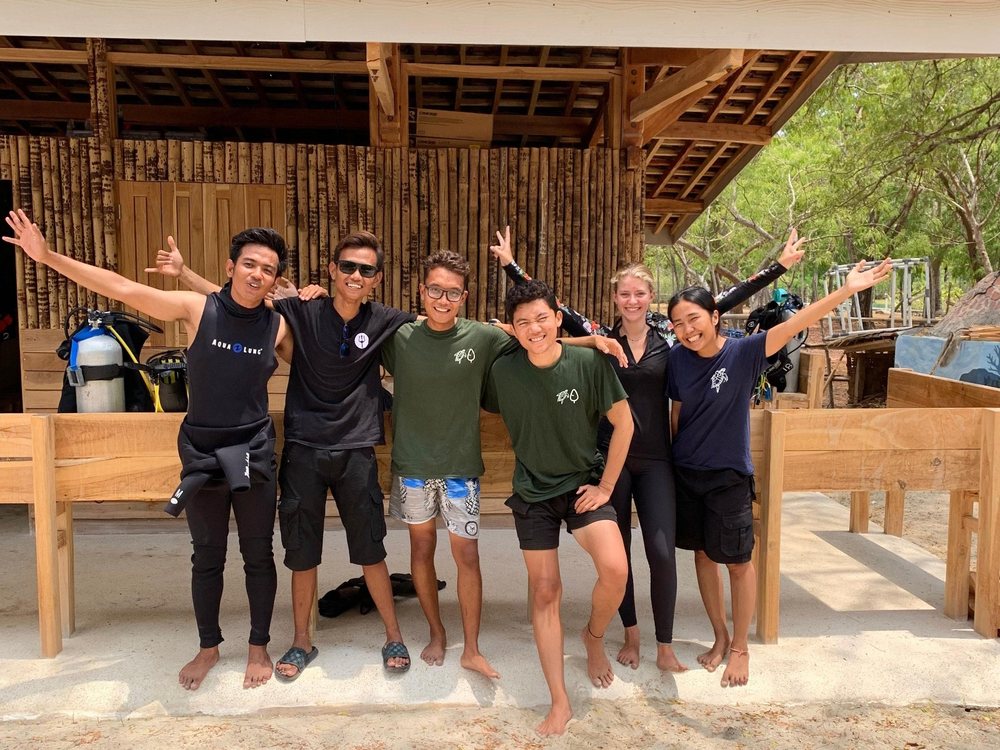
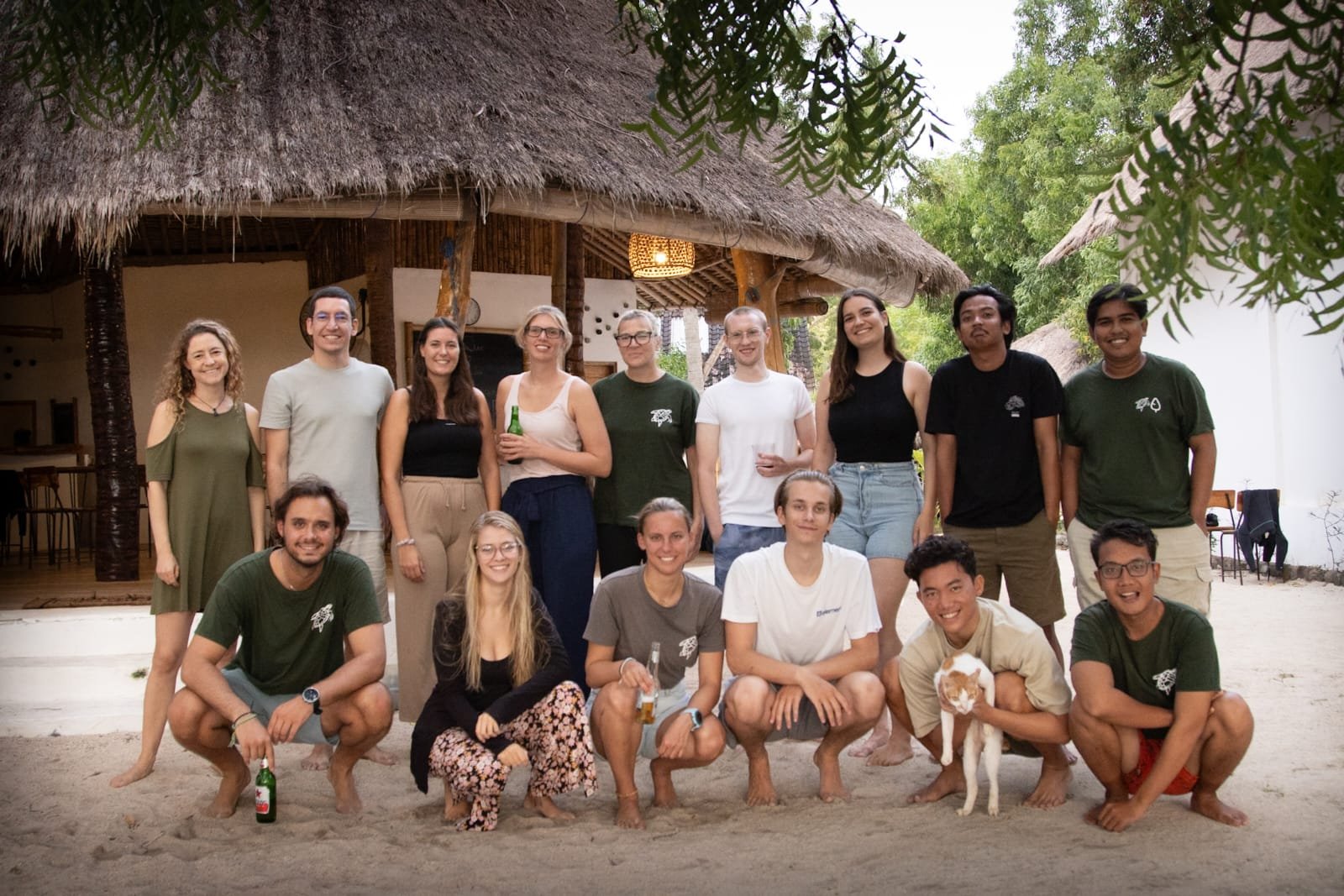
Behind every expedition, every survey, and every restored coral fragment is a passionate team of scientists, educators, and conservationists. Want to know who you'll be learning from? Read their profiles below.
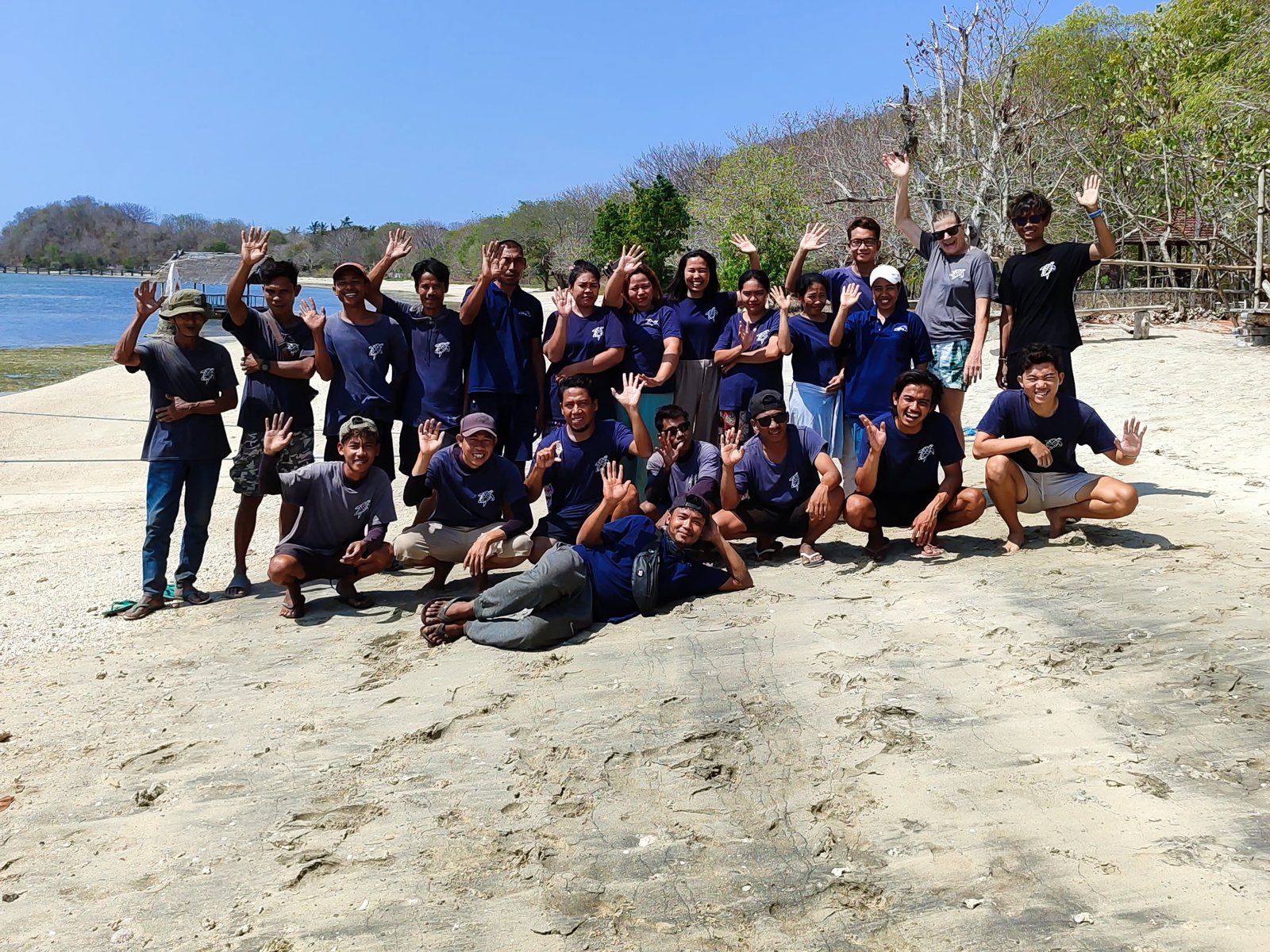
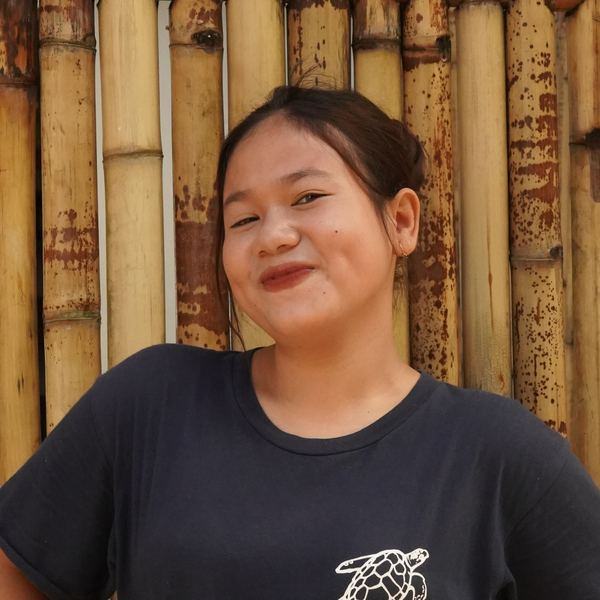
Behind every survey and restoration project is the field centre team, who work tirelessly to keep SORCE going. They run everything from housekeeping, catering and groundskeeping to the boats, maintenance and project support.

Bukran
Supervising
Soraya
Supervising
Abdul
Maintenance & Construction
Afrizal
Boat Crew

Boh
Security
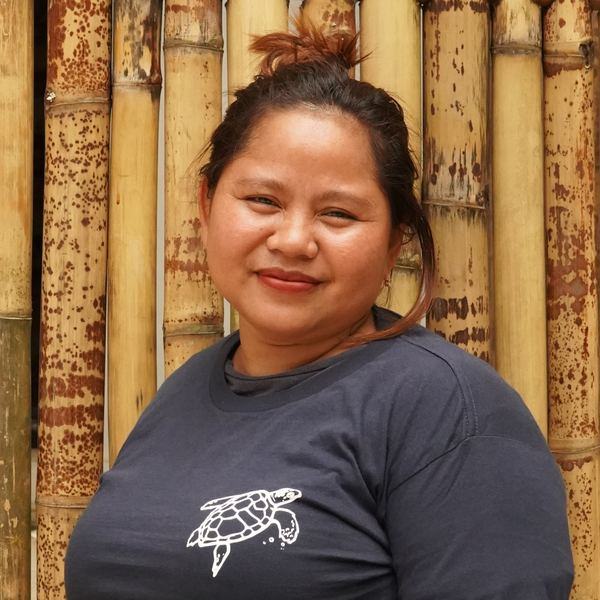
Ita
Catering
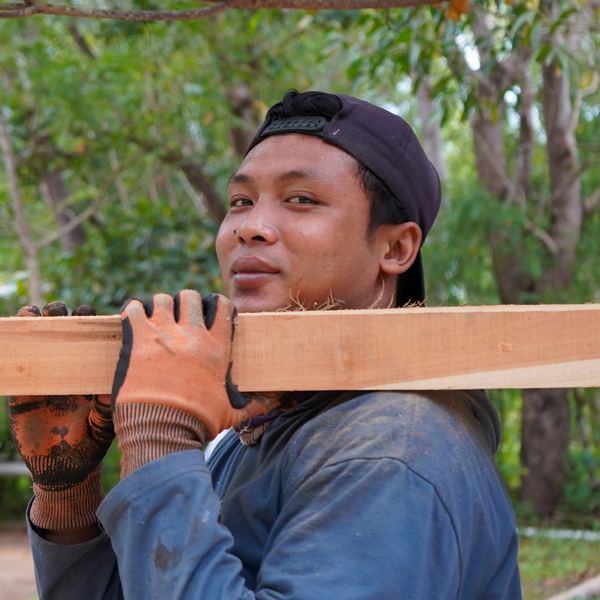
Hol
Maintenance & Construction
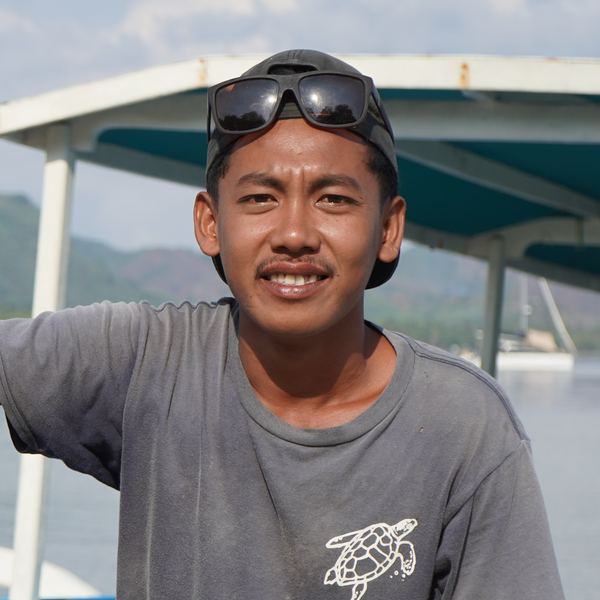
Ahlam
Boat Crew
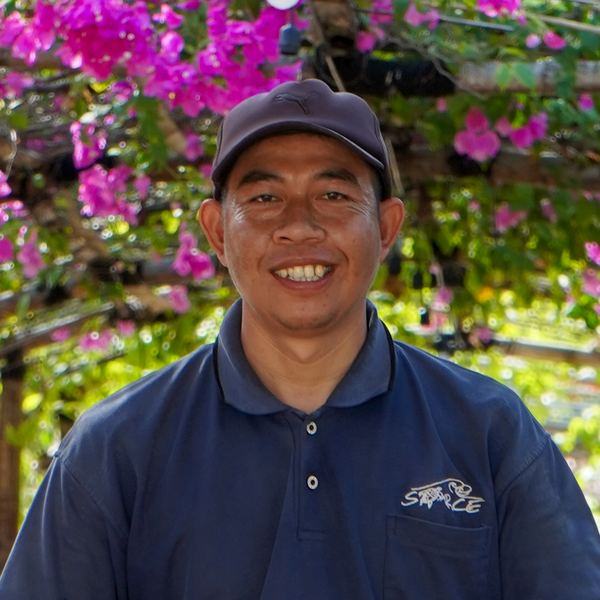
Sap
Groundskeeping
Jessi
Catering
Nura
Catering & Housekeeping
Li
Maintenance & Construction
Jalal
Boat Crew
Muaz
Tanks

Tas
Security
Melah
Catering
Sar
Housekeeping
Sunya
Maintenance & Construction
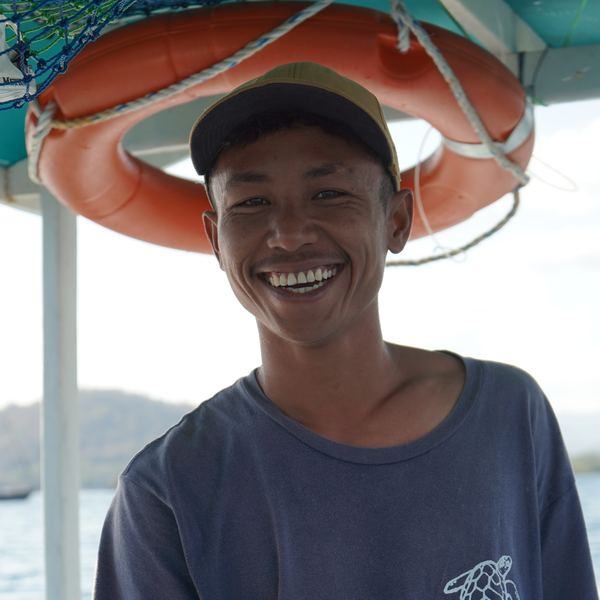
Rian
Boat Crew
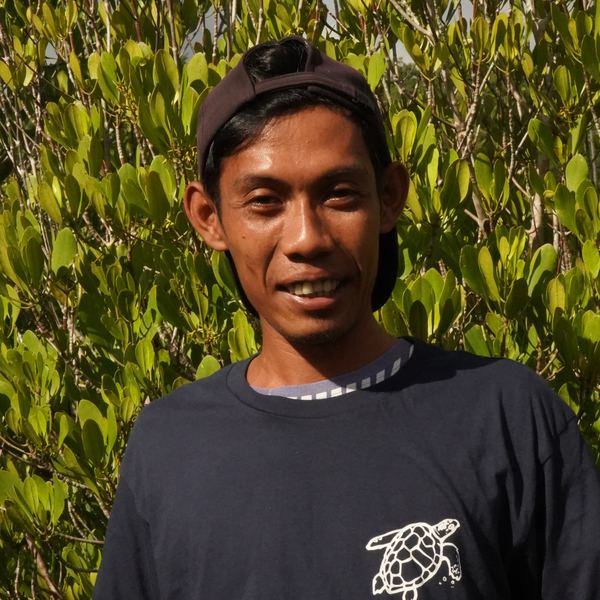
Pipi
Mangroves
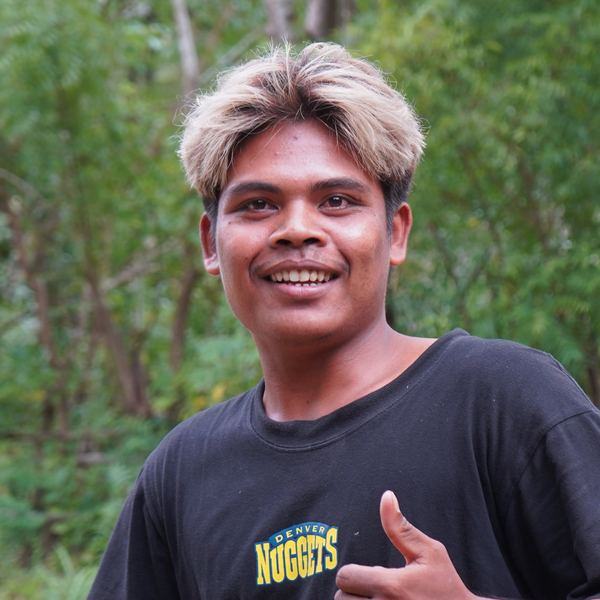
Zainul
Groundskeeping
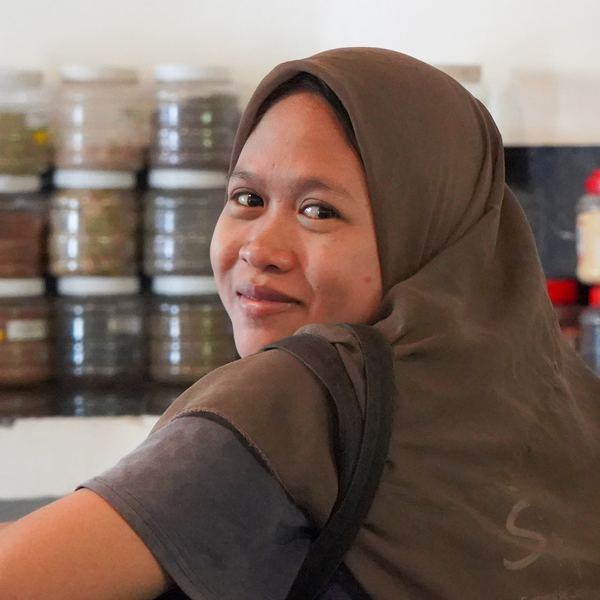
Rasmi
Catering
Septi
Housekeeping
Aslan
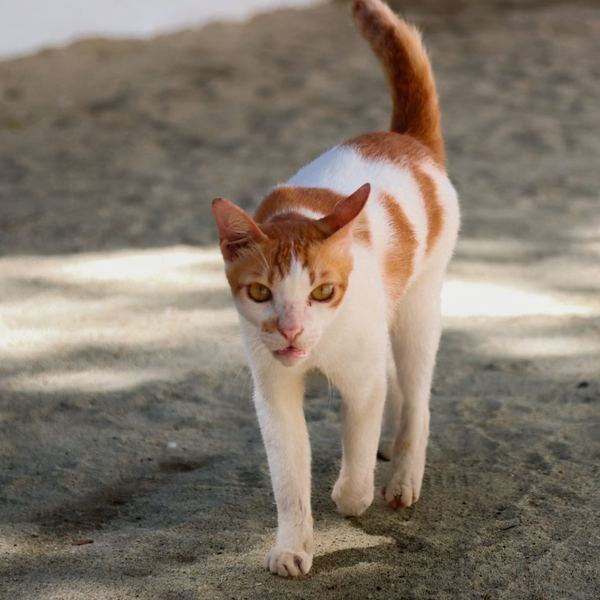
Head of naps
Gizmo
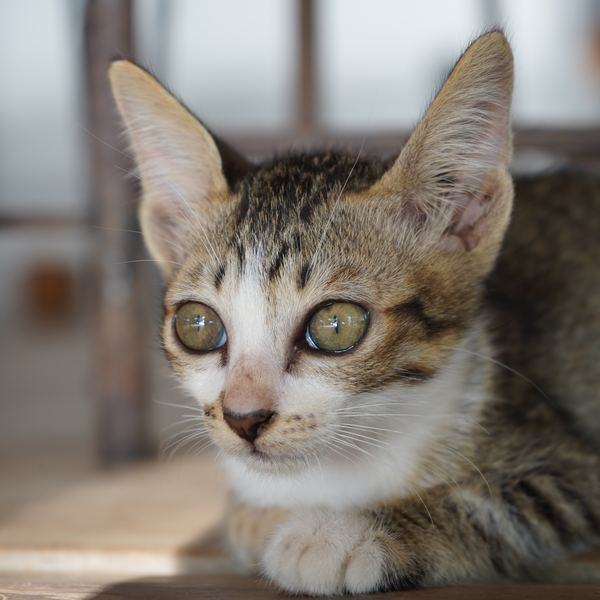
Chief mouser
Shnarf
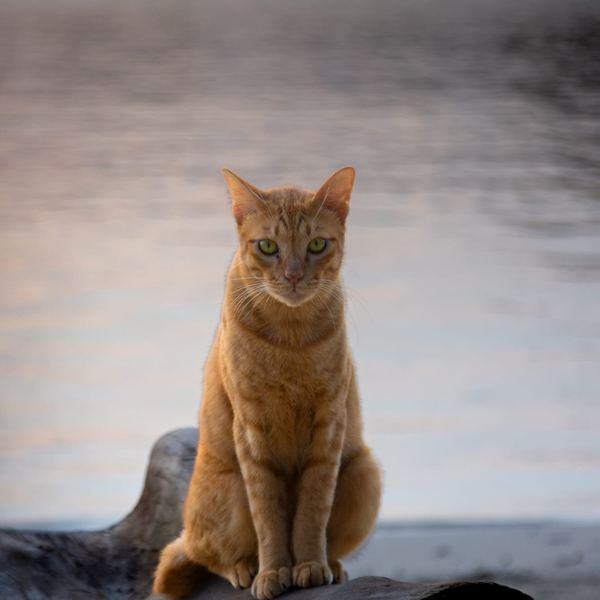
Head of communications
Students and guests don't just join an expedition. They join the SORCE family. Many leave describing the experience as life-changing, both for their careers and their connection to the ocean.
Our story
SORCE began with the simple idea that conservation and science should never be separate, and that education should be accessible to everyone with a passion for the ocean.
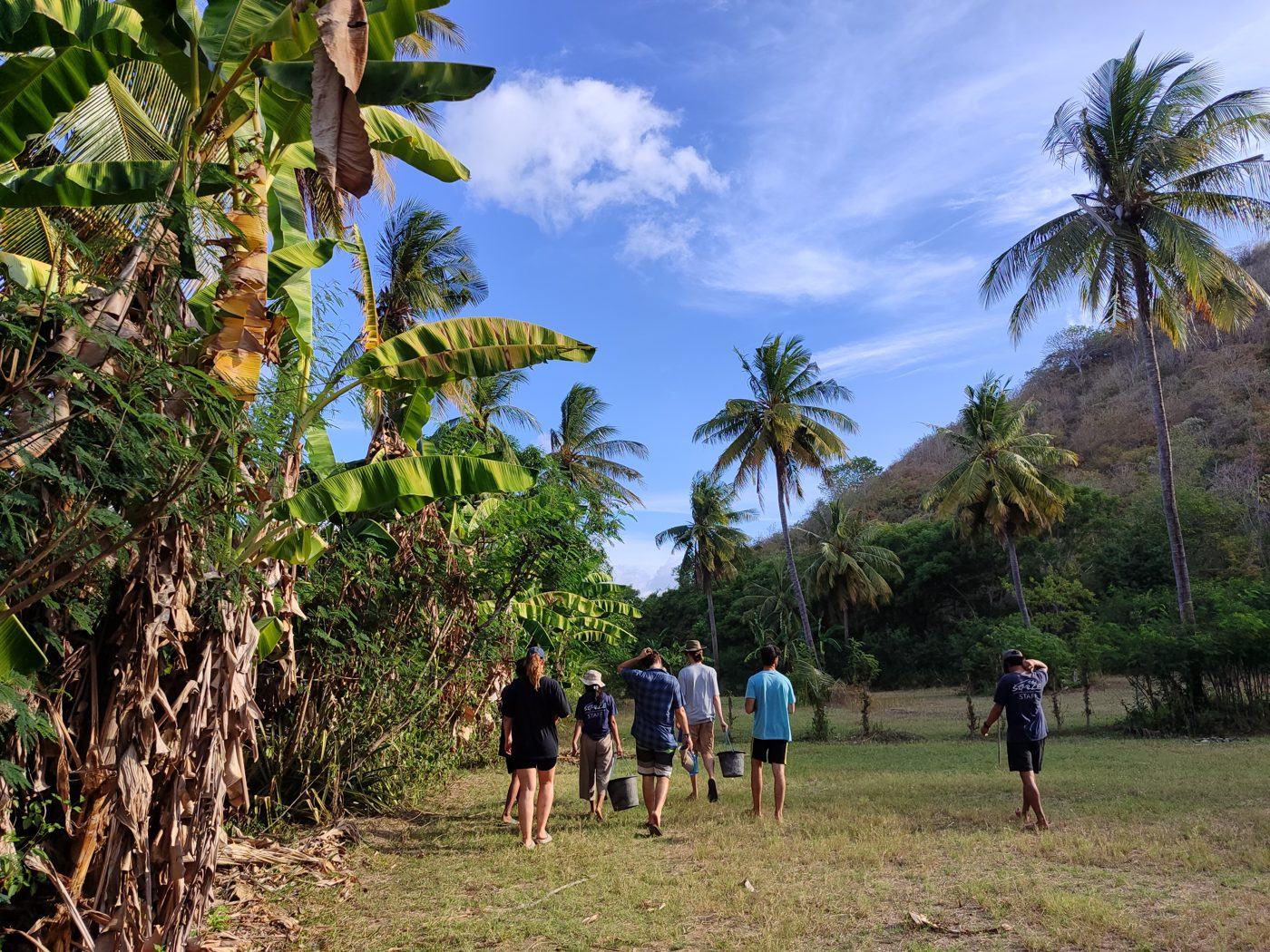
From the beginning, SORCE has been built like a family, not only by its directors and their children, but by the staff, students, and wider community who have shaped it. For us, conservation isn't just a mission. It's a dream that became a family home, a school, and a purpose.
Founded in Lombok by a team of marine scientists and educators, SORCE grew out of years of research, community partnerships, and a deep love for coral reefs and coastal ecosystems. We saw the urgent need to restore these fragile environments, but also the equal need to train and inspire the people who will carry that work forward.
From our first small-scale coral restoration projects to today's full field centre, SORCE has always stood for collaboration. We work alongside local fishermen, schools, government agencies, and universities, creating solutions that are both locally rooted and globally relevant.
Our aim is bold but clear: a world where thriving marine ecosystems and empowered communities exist side by side.
SORCE began as the lifelong dream of Kara Majerus, our Managing Director and original founder. Raised in the UK by two field biologists, Kara grew up immersed in science, travel, and a deep love for the natural world. In 2016 she began planning SORCE in earnest, turning the concept into an organisation.
After two and a half years of planning, SORCE CIC was registered in the UK in May, and Kara's husband Mike joined her in turning it into reality. In October, the two of them travelled to Indonesia to scout locations and build local connections.
In January, Kara and Mike relocated to Lombok with their five young children to begin building the Indonesian field site. In April, Izy Rigby joined as the third and final director. PT SORCE, our Indonesian counterpart, was also registered that year, so the field site could be run, staffed and permitted in Indonesia.
In July 2019, the SORCE field site officially opened. We launched the Eco-Venture expedition and our coral and plastic initiatives, and welcomed our first guests. Our first Marine Science A-Level students arrived in January 2020, and in March, less than a year after we opened, Covid hit.
By 2023, with Covid behind us, we could focus on growth: more projects, a developed field site, and bigger facilities and science teams. Kara and Mike returned to the UK and now split their time between there and Indonesia. Kara still directs and oversees our research and conservation, with our scientists running the day-to-day work on site and Izy leading operations there for much of the year. Wherever we are, SORCE remains home.