


Education

Conservation knowledge should not stay inside a field centre. The communities we work alongside, the schools around us, and the Indonesian scientists building careers here.

Education & outreach

Fieldwork gives us knowledge Education lets it travel

Education has been part of SORCE from the beginning, not only as formal teaching, but as the everyday exchange of knowledge between our scientists, the communities around us, local schools, Indonesian universities and the participants who join us.

Conservation that does not work for the people living alongside an ecosystem will not last. So the work that matters most here is what is built locally, and what stays long after a participant flies home.

Conservation becomes far more powerful when people understand not only what we are doing, but why.

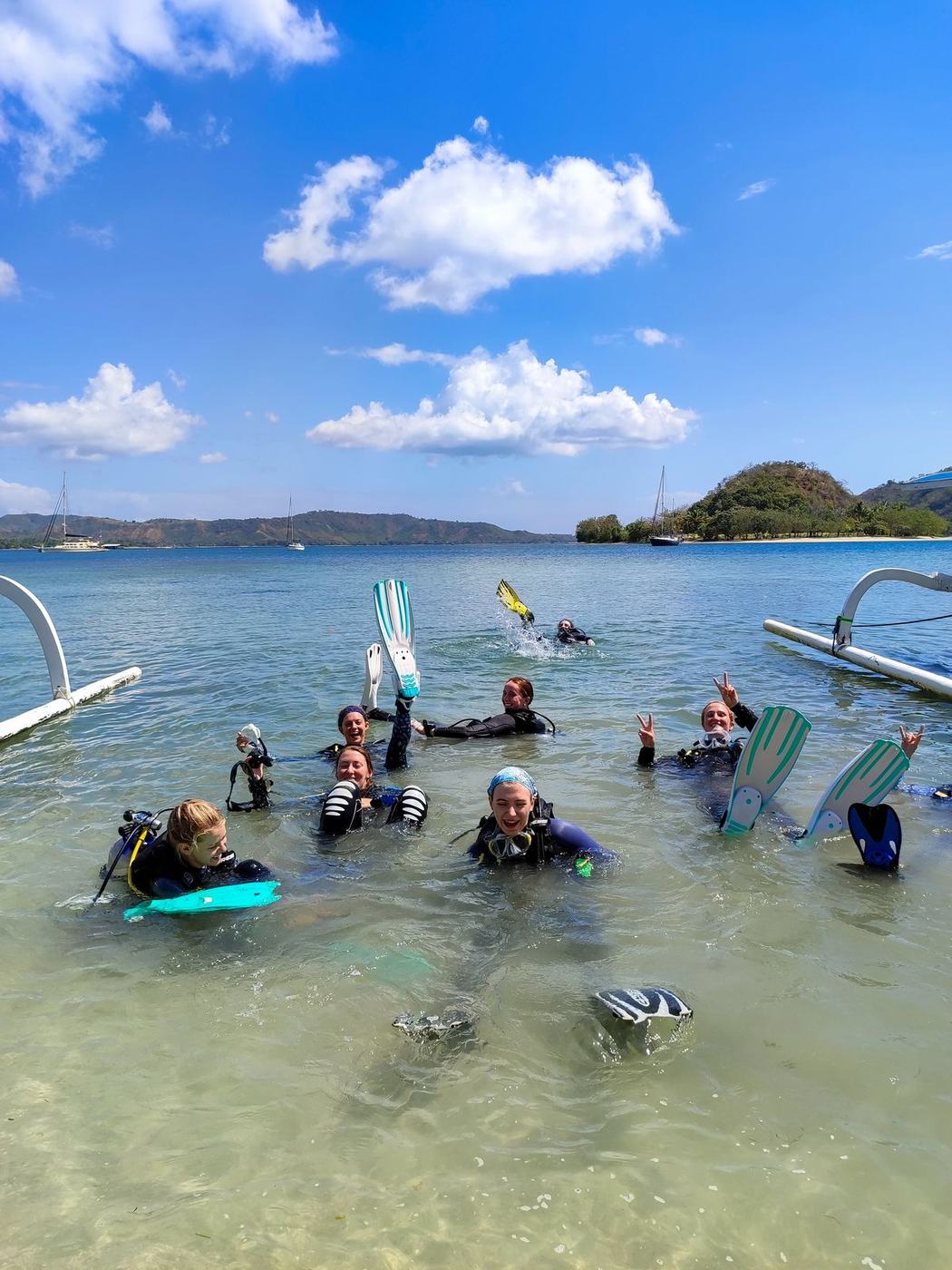
Group training in shallow beach water off boat, snorkel/divers standing
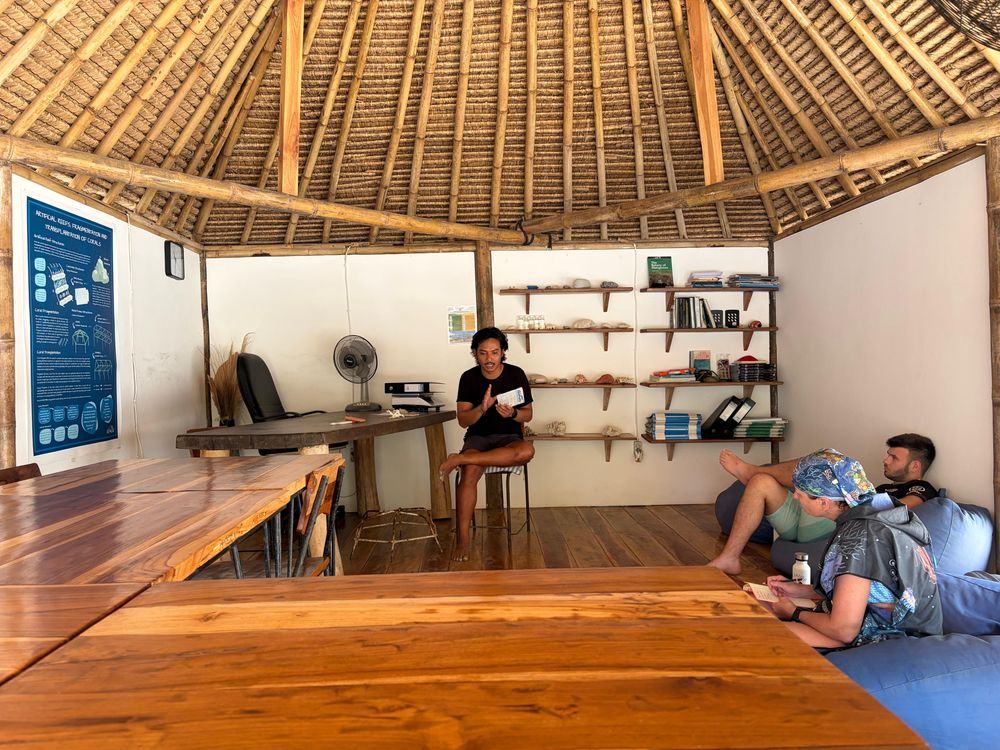
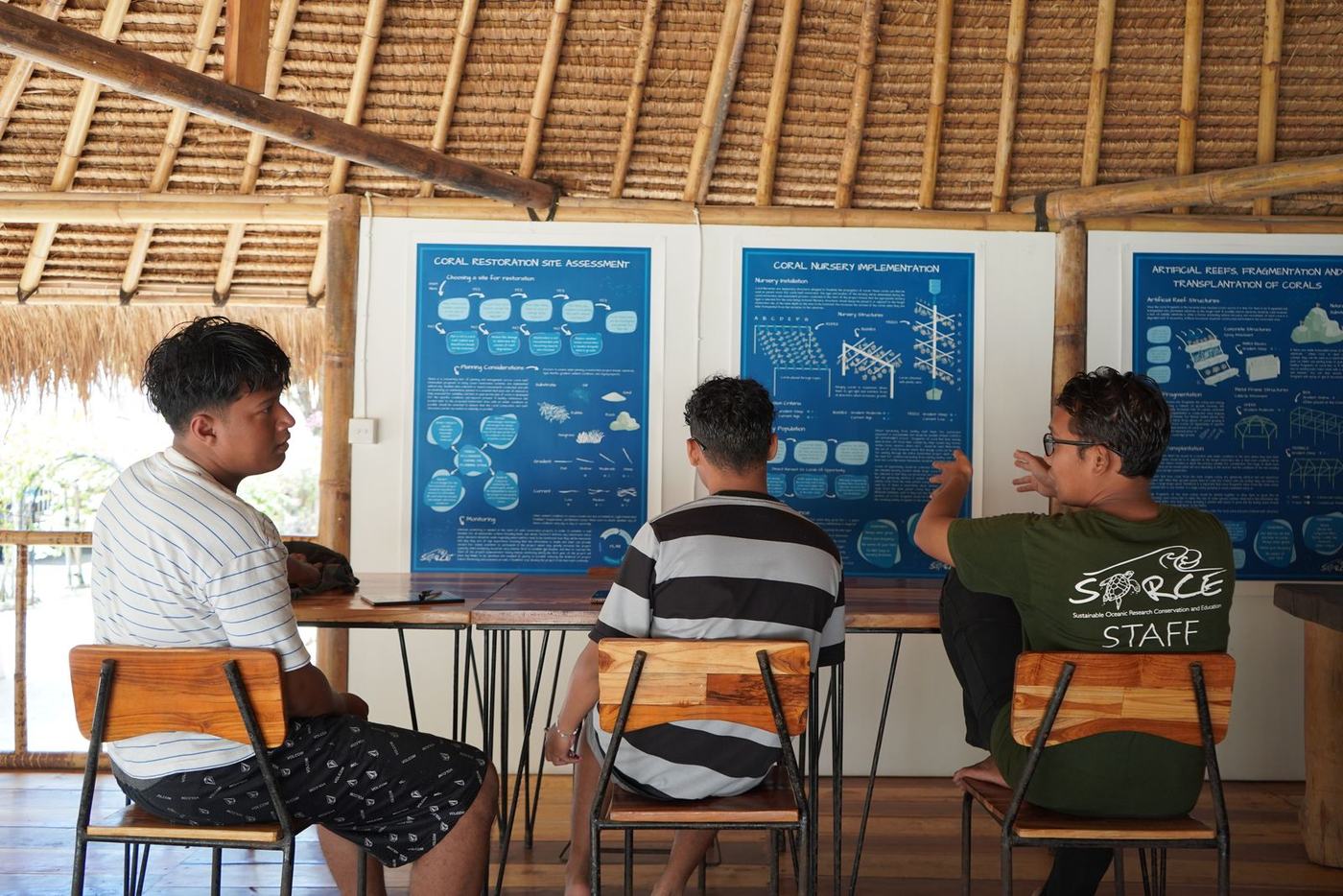
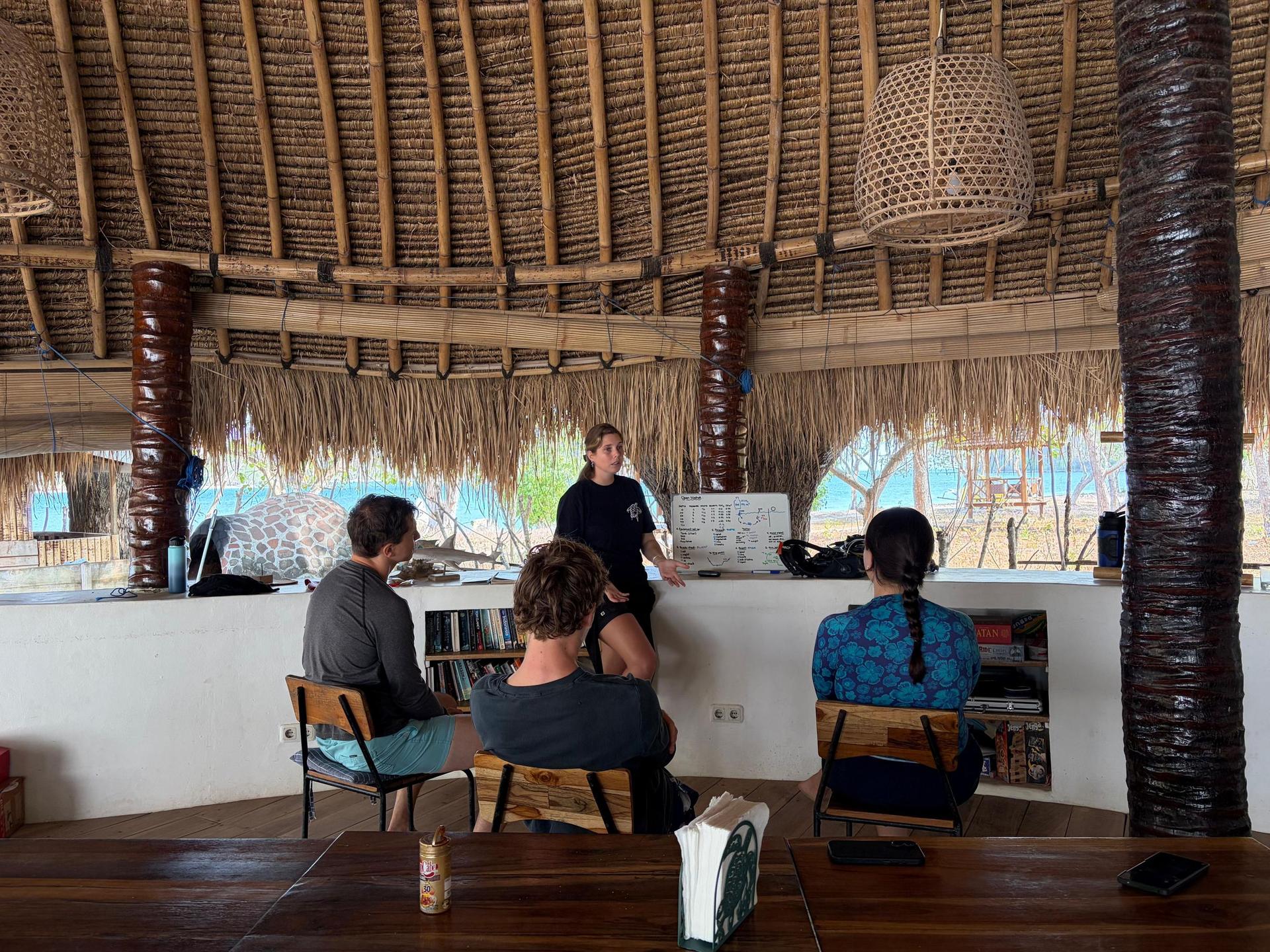
Staff teaching small group in Den, posters

Southwest Lombok

By the numbers

Knowledge that stays local

Community, school and university figures are being confirmed by the team. Every number here is checked before it is published.

640
Local schoolchildren engaged
480
Community members taking part
14
Indonesian scientists trained here
6 months
Structured training for new junior scientists

Community & local capacity

Conservation with, not around, the people who live here

We are surrounded by coastal communities whose lives, livelihoods and histories are tied to this marine environment. Their knowledge matters, and their priorities matter. This is the part of our work that decides whether the rest of it sticks.

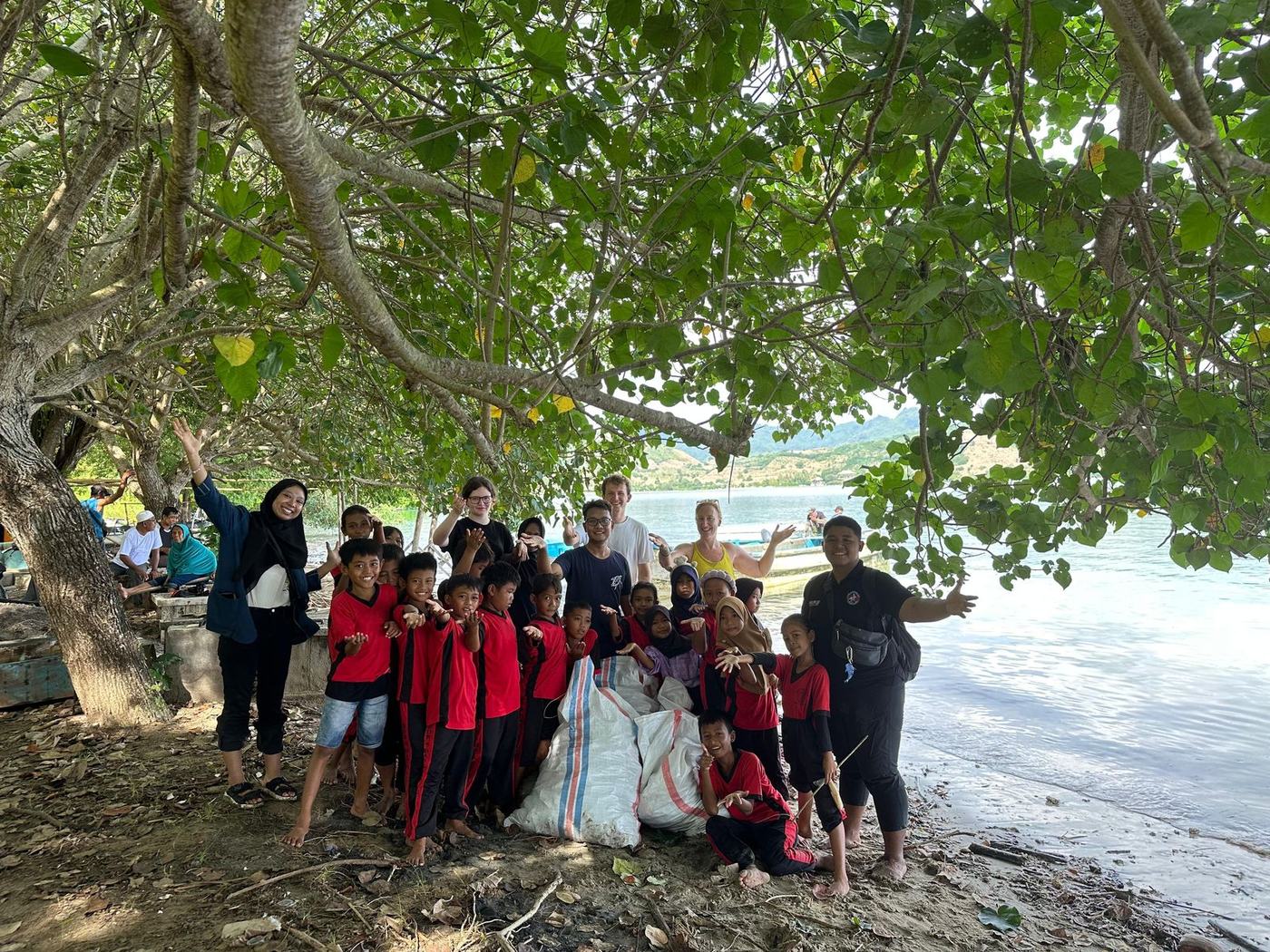
Schoolchildren and staff on shore under trees with sacks 01 · Community engagement

Education, and conversation

480 Community members taking part

Through workshops, restoration projects and everyday informal engagement, we share scientific and conservation knowledge, and learn from local ecological knowledge and experience in return. Community members take part directly in the work, from mangrove planting to environmental clean-ups.

This is deliberately two-way. Change lasts when it is worked out together with the people it affects.

What we cover together

  • Coral reefs and reef conservation
  • Mangrove ecology and restoration
  • Marine debris and waste
  • Sustainable resource use
  • Marine biodiversity
  • Protected areas and what they mean locally
  • The ecological and economic value of healthy habitats
  • 480 Community members taking part
  • 6 Villages we work with regularly
  • 12 Workshops and activities a year
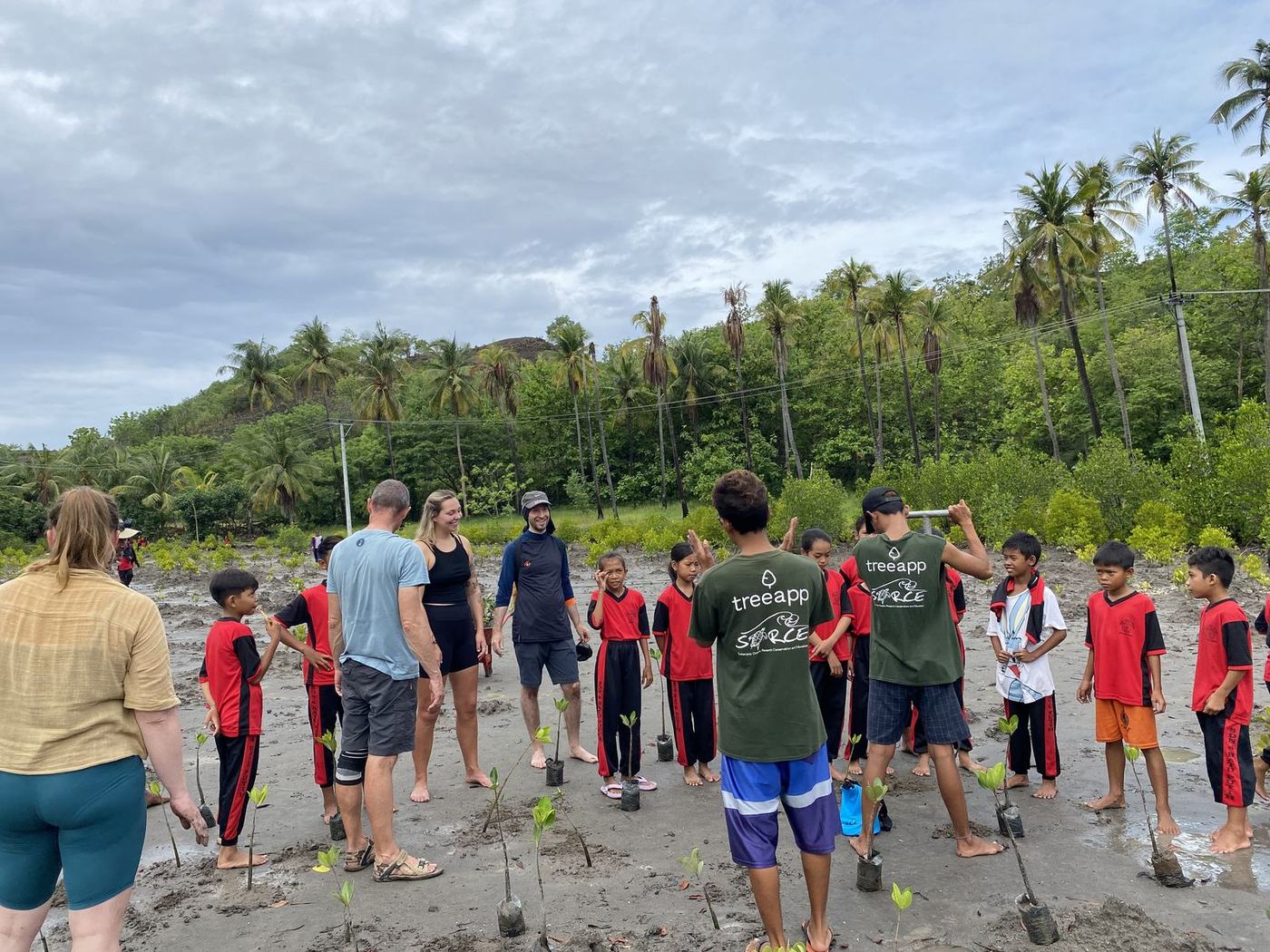
Schoolchildren and participants planting mangroves 02 · Schools & young people

It will be their marine environment

640 Schoolchildren engaged

The future of Lombok’s coast belongs to the children growing up beside it. We work with local schools through activities built to make the marine environment interesting, understandable and theirs.

For many, one practical experience changes something they see every day. A mangrove becomes a nursery for marine life. A piece of plastic becomes part of a global problem. A coral reef becomes an ecosystem worth protecting.

What we run

  • Marine conservation workshops
  • Beach clean-ups
  • Environmental activities
  • Cultural exchange
  • Visits and practical conservation experience
  • 640 Schoolchildren engaged
  • 5 Local schools worked with
  • 30 Activity days run
Lesson in The Den, posters, students at table 03 · Local capacity

Building the scientists, not only the projects

14 Indonesian scientists trained here

Building conservation capacity means investing in people as much as ecosystems. We employ and train Indonesian marine scientists, who carry out our day-to-day research, conservation and participant education.

New junior scientists work through a structured six-month training programme, building the field, scientific and operational skills to take on more. As they gain experience they lead surveys, projects, training and research.

Our science team delivers projects designed to study this environment. Increasingly they lead them, develop them, and contribute to the research that comes out of them, and our work with the University of Mataram connects that directly to Lombok’s own emerging generation of marine scientists.

  • 14 Indonesian scientists trained here
  • 6 months Structured training for each new scientist
  • 9 Indonesian university students hosted

Education for everyone

Knowledge exchange, not a lecture

Education here embraces everyone. Indonesian scientists and communities bring expertise and cultural understanding which enriches visitors. International participants offer widely varied academic backgrounds. University collaborators have specialist skills. Our permanent team bring it all together.

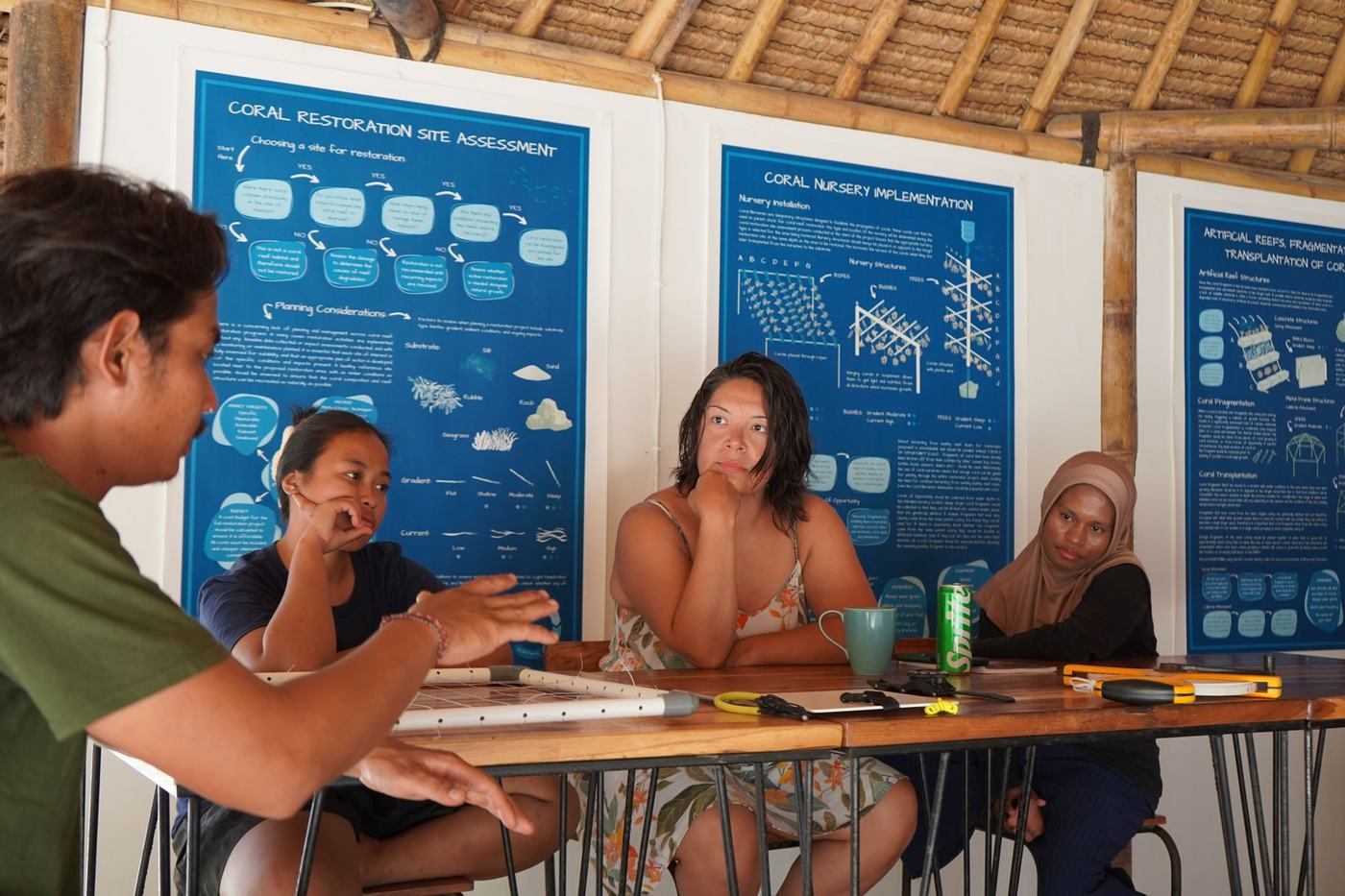
A SORCE scientist talking with participants around a table, coral restoration posters on the wall behind
Participants at table in Den with staff landscape

A field school

And the people who come to learn here

Alongside the local work, our field site runs as a marine research, conservation and education centre for participants from anywhere.

A marine science field school

Classroom and field, together

Participants on our expeditions learn from working marine scientists and dive professionals while living alongside the ecosystems they are studying. Training moves from theory, to practical instruction, to supervised fieldwork, to increasing independence.

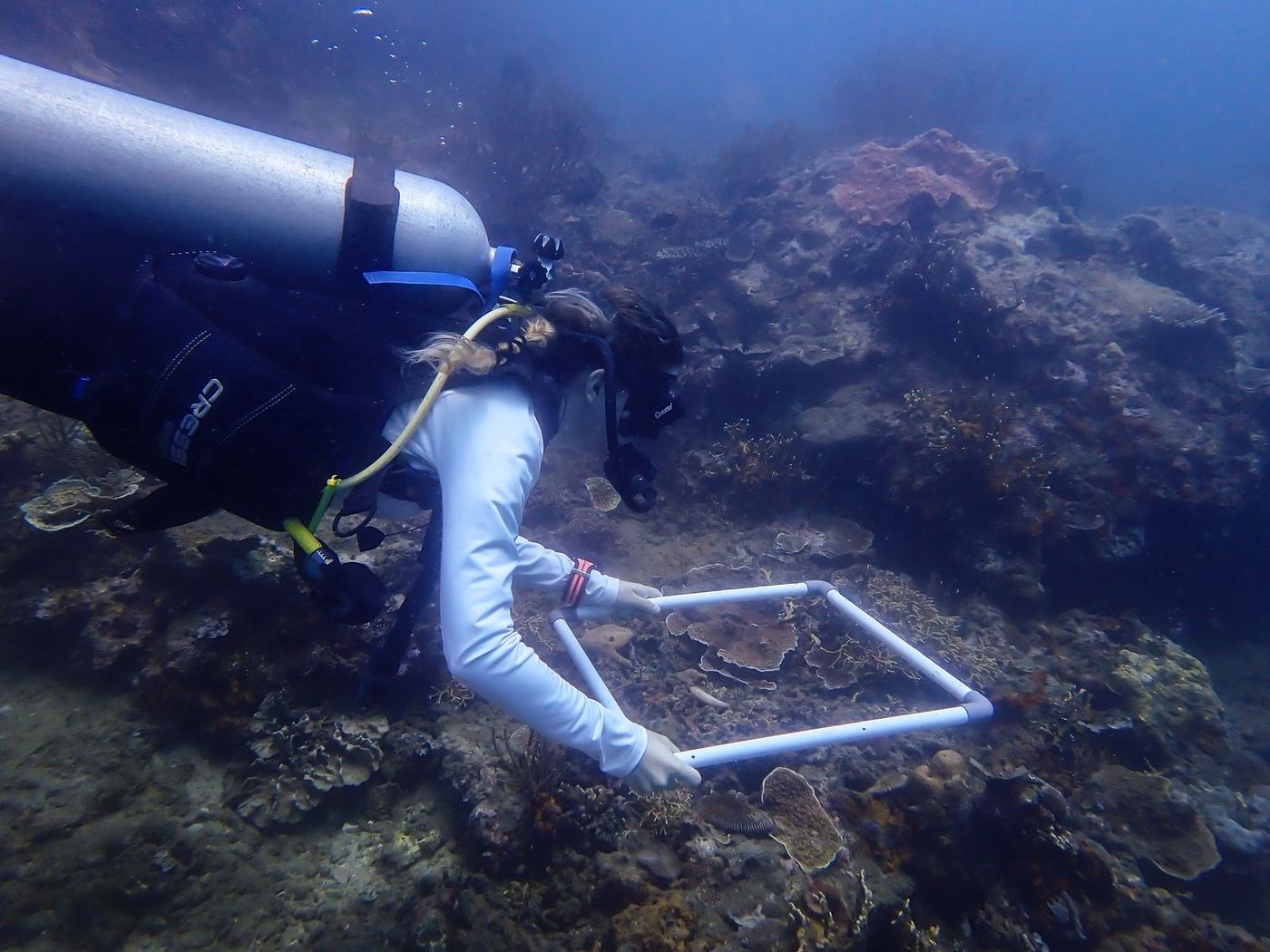
Diver placing quadrat on reef

What the training can cover

  1. Coral reef ecology and coral biology
  2. Indo-Pacific fish identification
  3. Invertebrate and priority species identification
  4. Substrate classification
  5. Mangrove and seagrass ecology
  6. Coral and mangrove restoration
  7. Reef survey methodologies
  8. BRUV deployment
  9. Underwater Photo Transects and diver-operated video
  10. Scientific photography
  11. Turtle and manta photo-identification
  12. GIS, CPCe and ImageJ
  13. Data processing and analysis
  14. Scientific communication
  15. Eco-aware diving

Learning underwater

Capable scientific divers

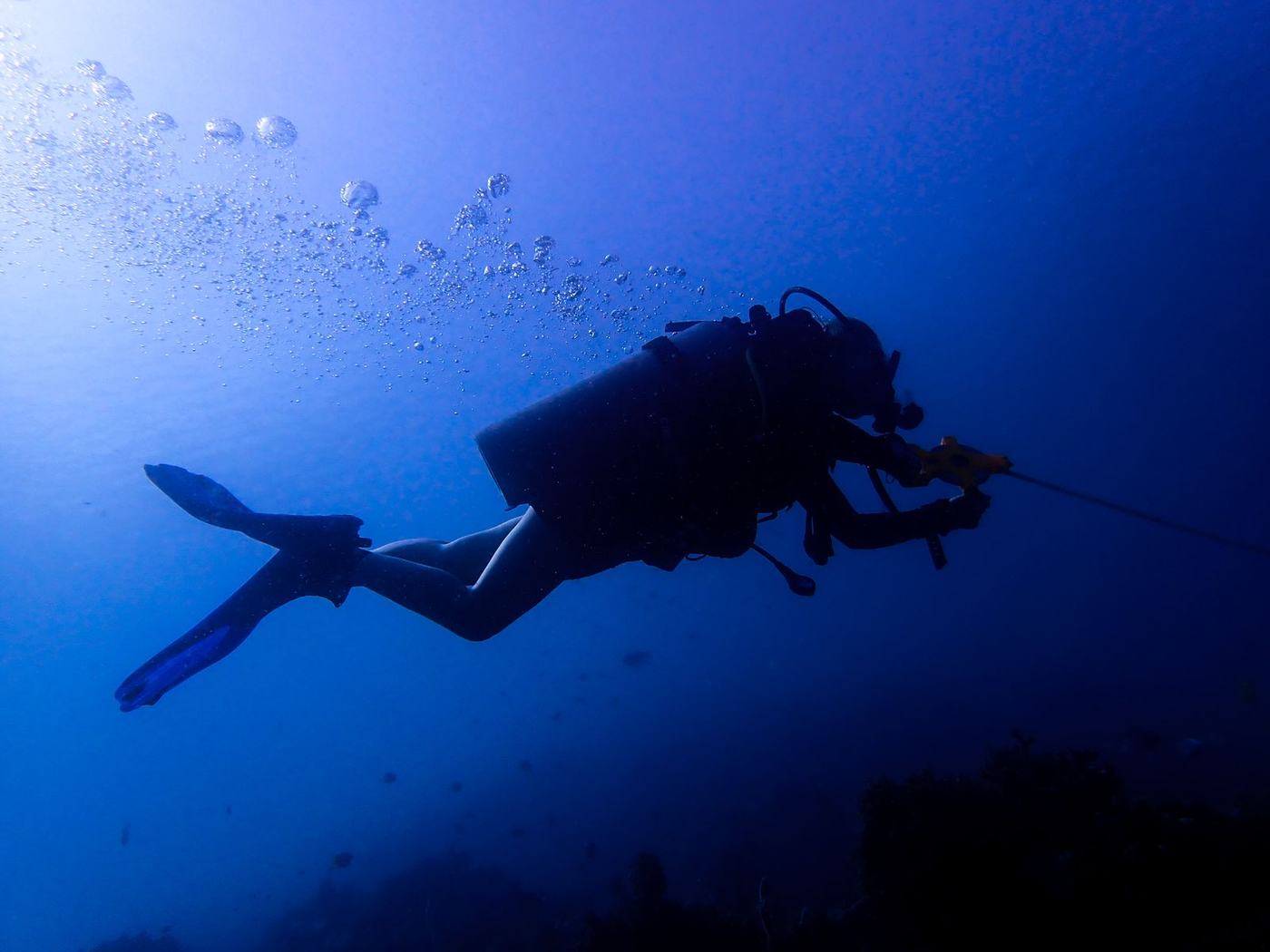
For a marine scientist, being genuinely comfortable underwater changes the kind of fieldwork they can do at all. Alongside PADI training, that means buoyancy, task-loading, underwater communication, navigation, and doing scientific work while keeping control and awareness.

Diver silhouette in blue

Dive qualifications available here

  • PADI Open Water, Advanced and Rescue
  • Emergency First Response
  • PADI Divemaster
  • PADI Deep Diver
  • PADI AWARE
  • PADI Dive Against Debris
  • Reef Check Eco-Diver

We also run specialist conservation workshops: hands-on experience programmes rather than qualifications.

Explore Dive Courses & Workshops

Training future marine scientists

From university theory to field experience

University gives the theoretical foundation. Field science also demands practical ability: identifying organisms underwater, laying transects accurately, running survey equipment, recording reliable data, analysing imagery, and working safely as part of a team when things go wrong.

  1. Question

    What are we asking, and why

  2. Study design

    Making it answerable

  3. Fieldwork

    Surveys, deployments, dives

  4. Data

    Recording it reliably

  5. Analysis

    Turning it into findings

  6. Reporting

    Communicating it, and publishing where it earns it

Participants may work alongside our permanent science team on active monitoring and conservation programmes, rather than on isolated training exercises.

Students & universities

Independent research, and academic partnerships

Independent student research

We support undergraduates and postgraduates through dissertations, theses and independent projects. Our team works with students to judge whether a proposal is scientifically sound, logistically feasible and achievable in the time available.

Depending on the project, students can draw on field support, equipment, local ecological knowledge, scientific guidance and existing monitoring infrastructure, and our researchers can work with university supervisors. Some projects stay dissertations; others feed long-term datasets or eventual scientific output.

University partnerships

We work with universities and academic partners on field placements, research opportunities, practical training and collaborative research, and host Indonesian university students and groups for field experience in the ecosystems on their own doorstep.

Our relationship with the University of Mataram matters particularly, connecting SORCE with Lombok's own emerging generation of marine scientists. Visiting academics can also work alongside our team, bringing expertise in and taking collaboration out.

Conservation beyond SORCE

Not everyone who learns here becomes a marine scientist

And they do not need to.

  1. A tourist learns about corals and becomes a responsible diver.
  2. A traveller rethinks how they use and recycle plastic.
  3. A student chooses a career in conservation.
  4. A scientist takes a new survey technique to their next project.
  5. A local child decides marine biology could be for them.
  6. An experienced participant later publishes their own research.
  7. A fisher chooses a more sustainable method.

Education creates impacts that are hard to count, precisely because knowledge leaves the field centre with every person who learns here. That is why it sits alongside research and conservation in our name: Sustainable Oceanic Research, Conservation and Education.

Whether it is a week or four months, the aim is the same.

Teach people enough to understand conservation, give them the skills to take part, and help them take that knowledge somewhere new.