What we do together
The local government body that manages the GITA NADA Marine Protected Area, where most of our work takes place. We share our monitoring with them, and we're grateful to work alongside the people looking after this coastline.

Conservation on this coast is not something one organisation does alone. These are the people we do it with.
Collaborations
A marine protected area is managed by government departments, studied by universities, funded by organisations who never see it, and worked on by people who live beside it. Our job is to be useful to all of them at once.
So this page is arranged by what each relationship actually involves.

If a name is on this page, there is something real behind it: data shared, students hosted, a project run together, or funding that keeps a programme alive.
We report what a partnership made possible in clear, specific, verifiable terms, and we will never help a partner make a claim the evidence cannot support.
We survey the same sites the same way year after year, so whatever a partner contributes to still means something long after the project ends.
01/ 05 Collaborators
The departments responsible for the marine environment we work in. We report our monitoring findings to them, and we work within the permissions and priorities they set.
2 partners
What we do together
The local government body that manages the GITA NADA Marine Protected Area, where most of our work takes place. We share our monitoring with them, and we're grateful to work alongside the people looking after this coastline.
What we do together
Our central government partner, part of Indonesia's Ministry of Marine Affairs and Fisheries (KKP). With Pak Barmawi, who first invited us, we restore coral at Elak-Elak, Pandanan and Ampenan. His support means a great deal to us, and we really value the relationship we've built together.
In depth
The local government body that manages the GITA NADA Marine Protected Area, where most of our work takes place. We share our monitoring with them, and we're grateful to work alongside the people looking after this coastline.
BLUD UPTD BPSDKP Lombok, the Regional Public Service Agency of the Technical Implementation Unit for Marine and Fisheries Resources Management, is the local government body responsible for managing the regional Marine Protected Areas around Lombok, including GITA NADA.
We support the agency with monitoring information on coral reef condition, reef fish, invertebrates, megafauna and other priority species, both inside the GITA NADA Marine Protected Area and in the waters outside it around Belongas. We also pay the entrance and activity fees for the regional marine conservation areas, as the regulations require. Those fees help fund patrols and the management of the protected areas.
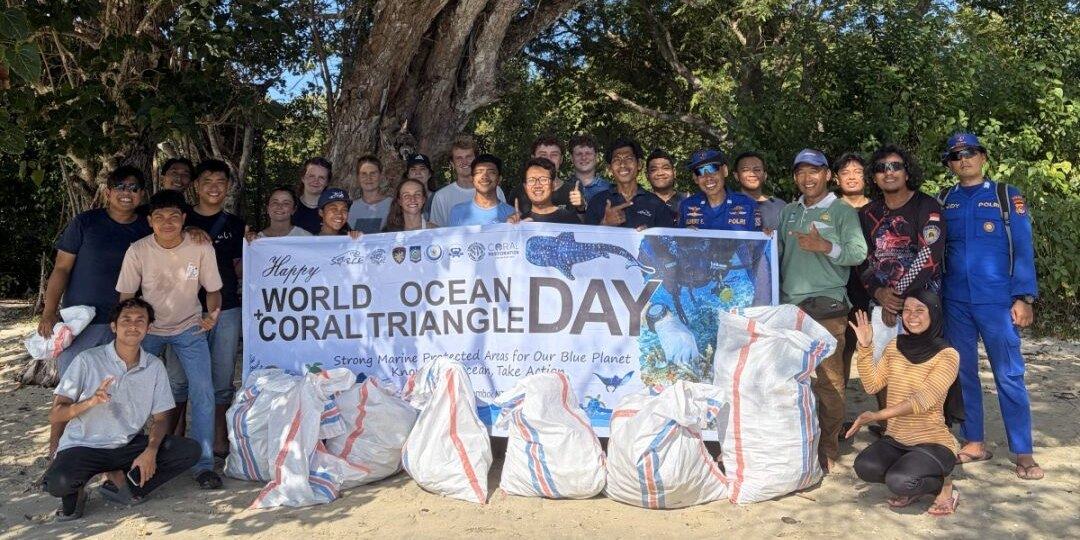
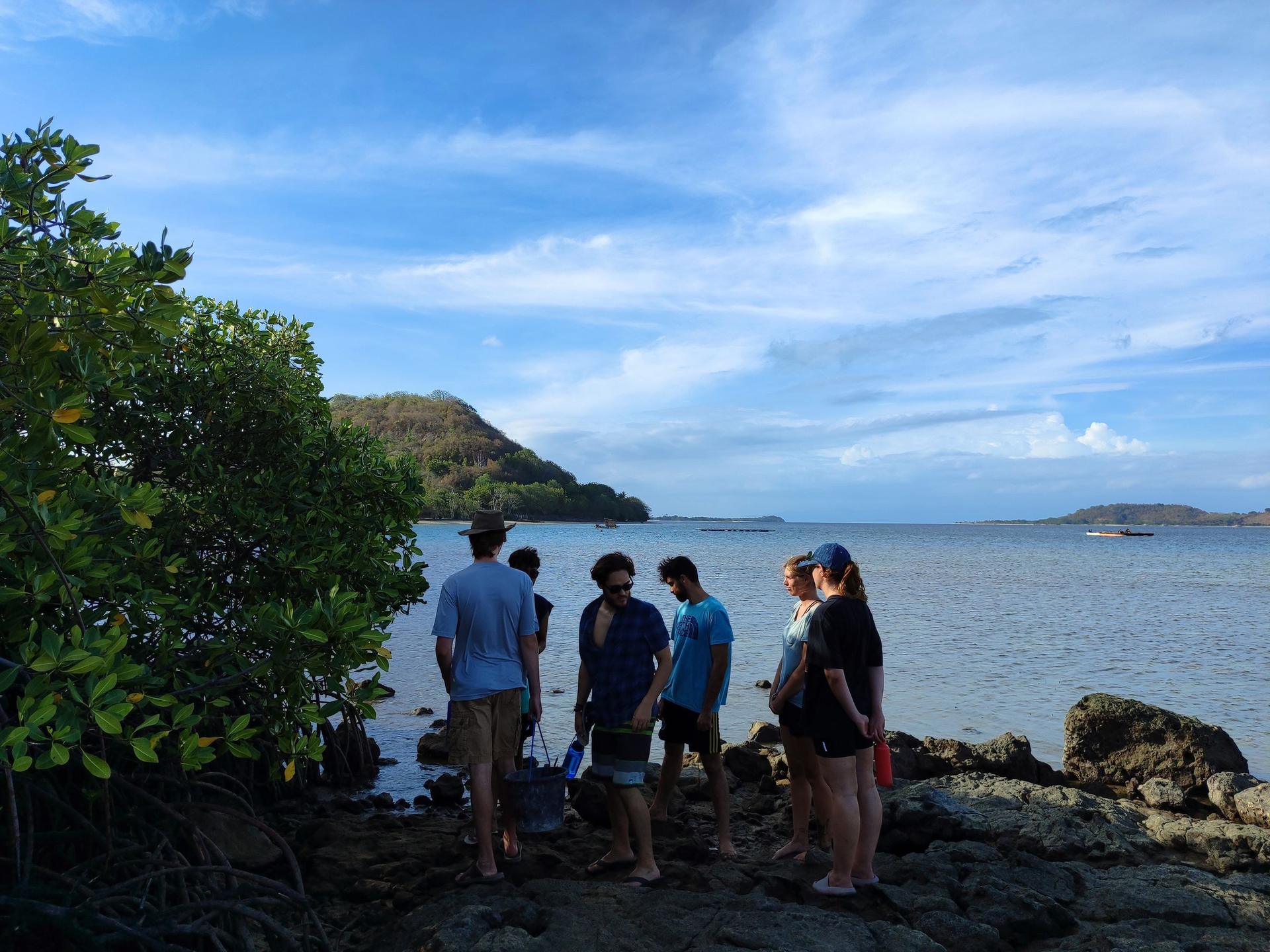
Together we have run coral restoration and beach clean-ups to mark World Oceans Day and Coral Triangle Day, and with Universitas Gadjah Mada we have planted mangroves on Gili Gede. We were also invited to join coral restoration at Elak-Elak, alongside BLUD UPTD BPSDKP Lombok, the Marine Police, BPSPL Denpasar and Yayasan Deep Blue Sea.
What we do together
In depth
Our central government partner, part of Indonesia's Ministry of Marine Affairs and Fisheries (KKP). With Pak Barmawi, who first invited us, we restore coral at Elak-Elak, Pandanan and Ampenan. His support means a great deal to us, and we really value the relationship we've built together.
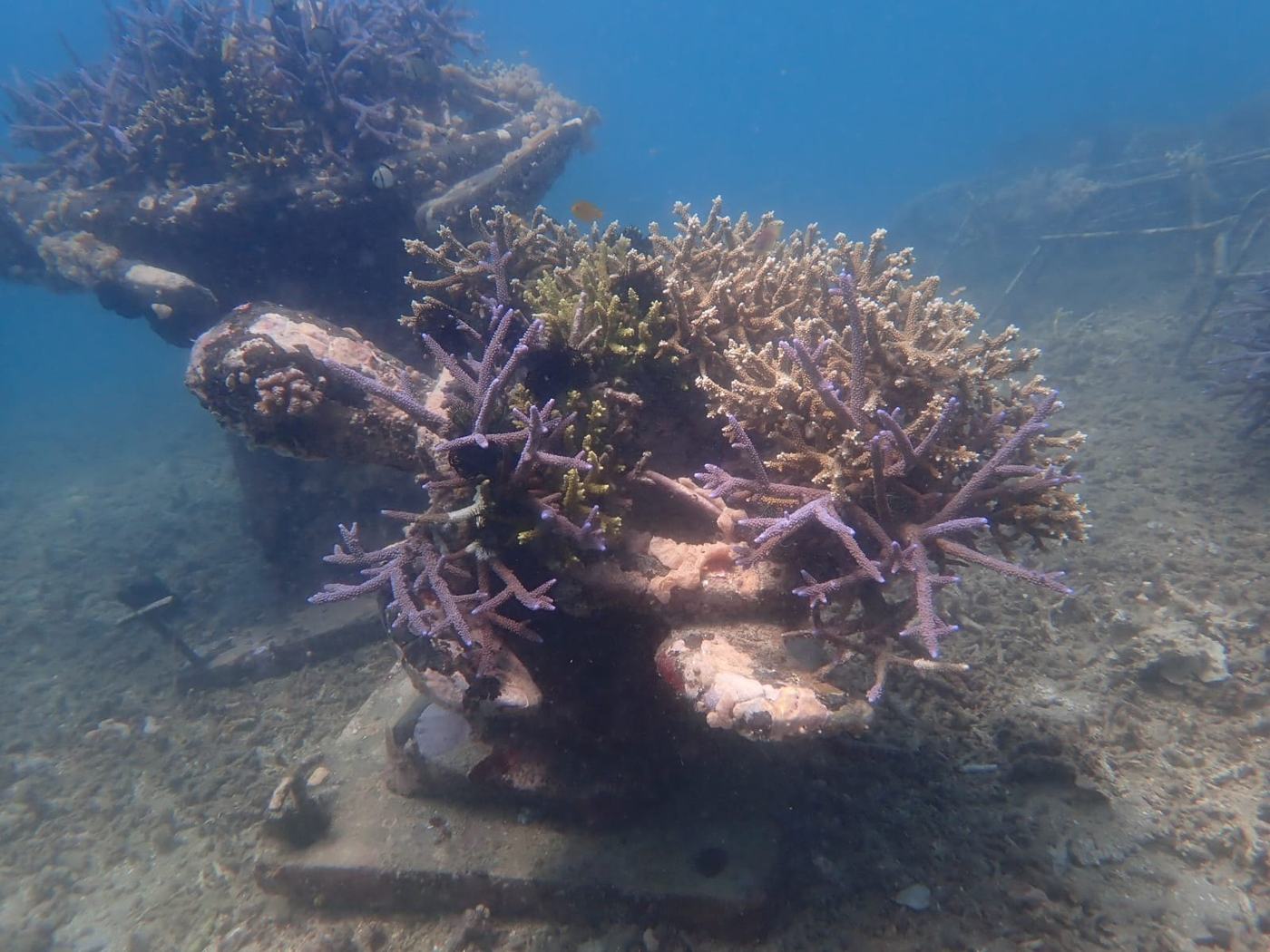
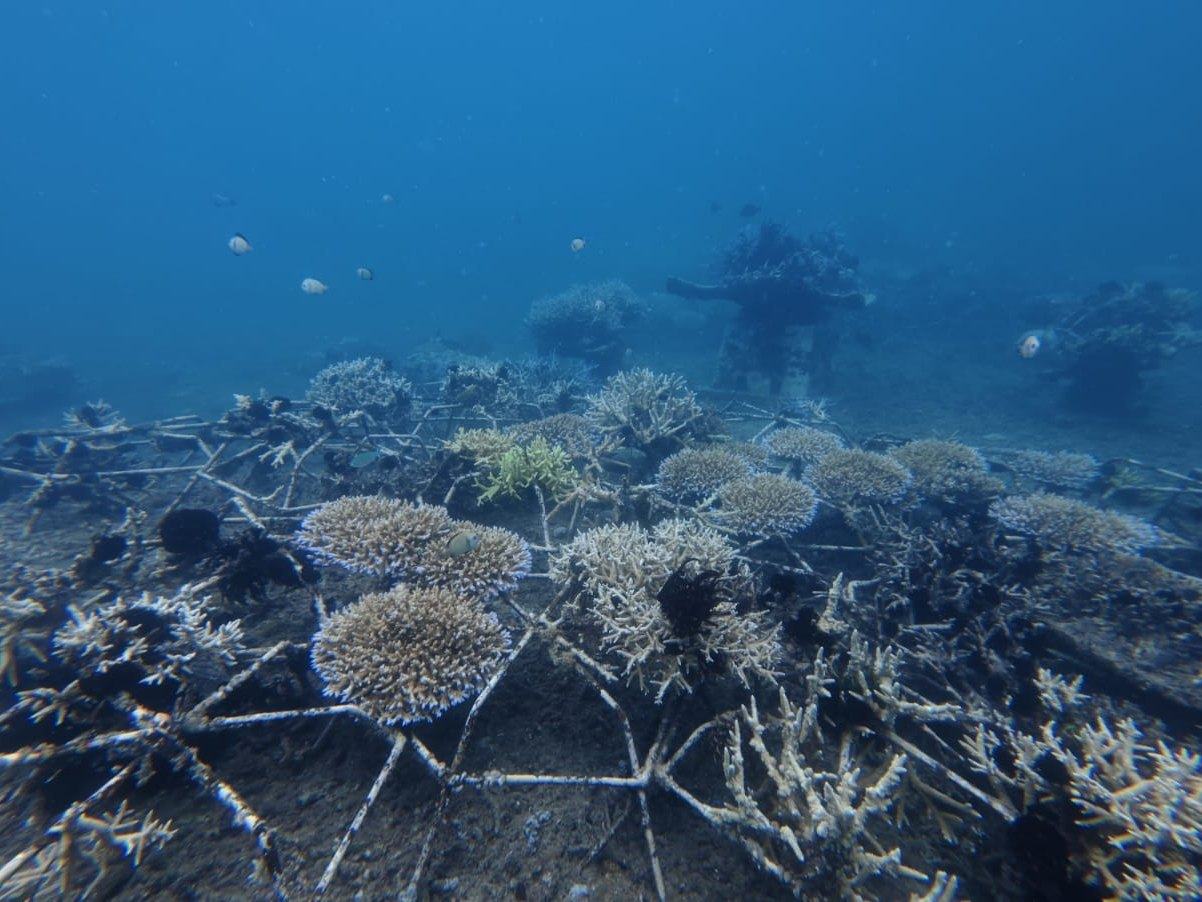
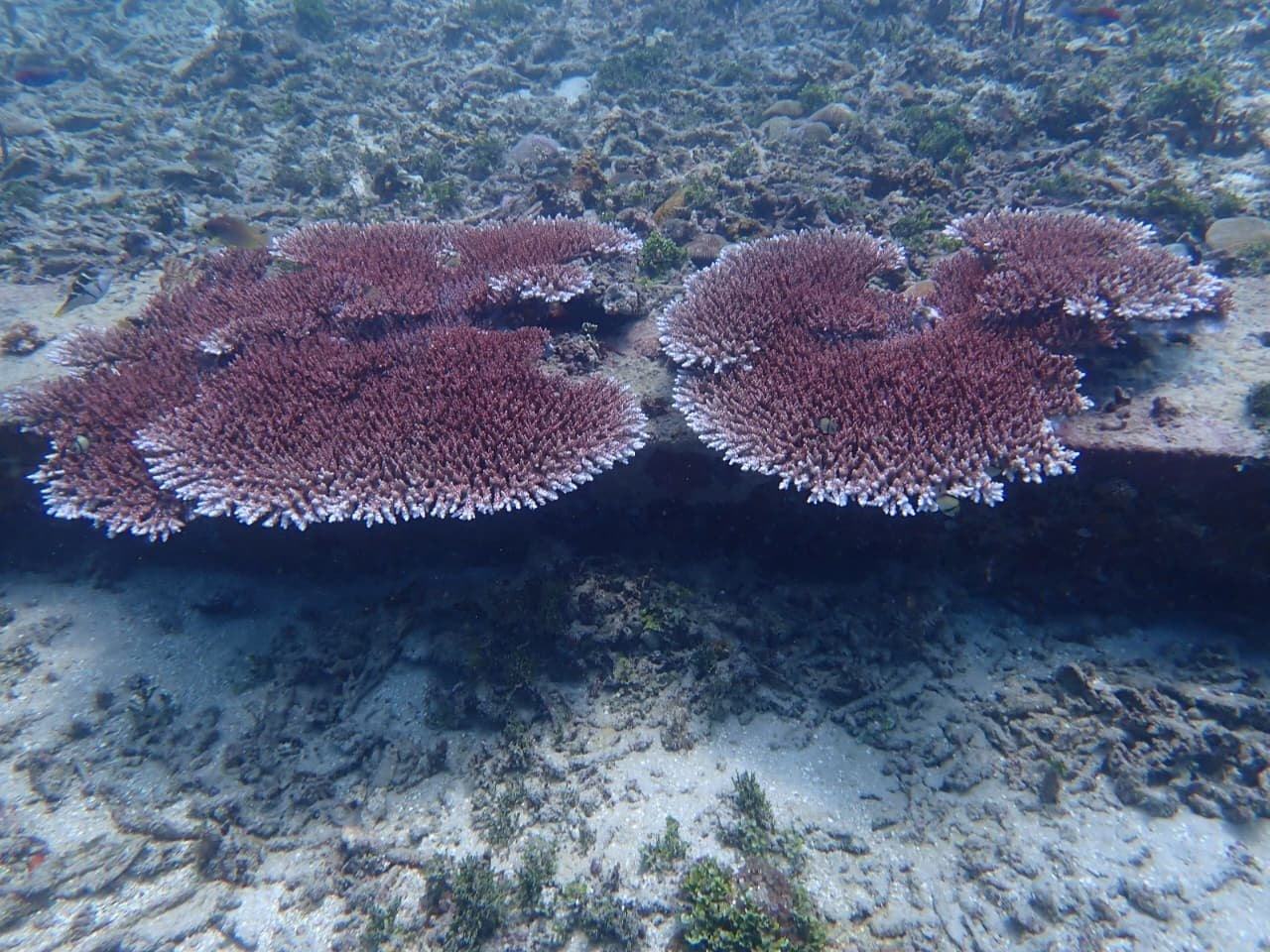
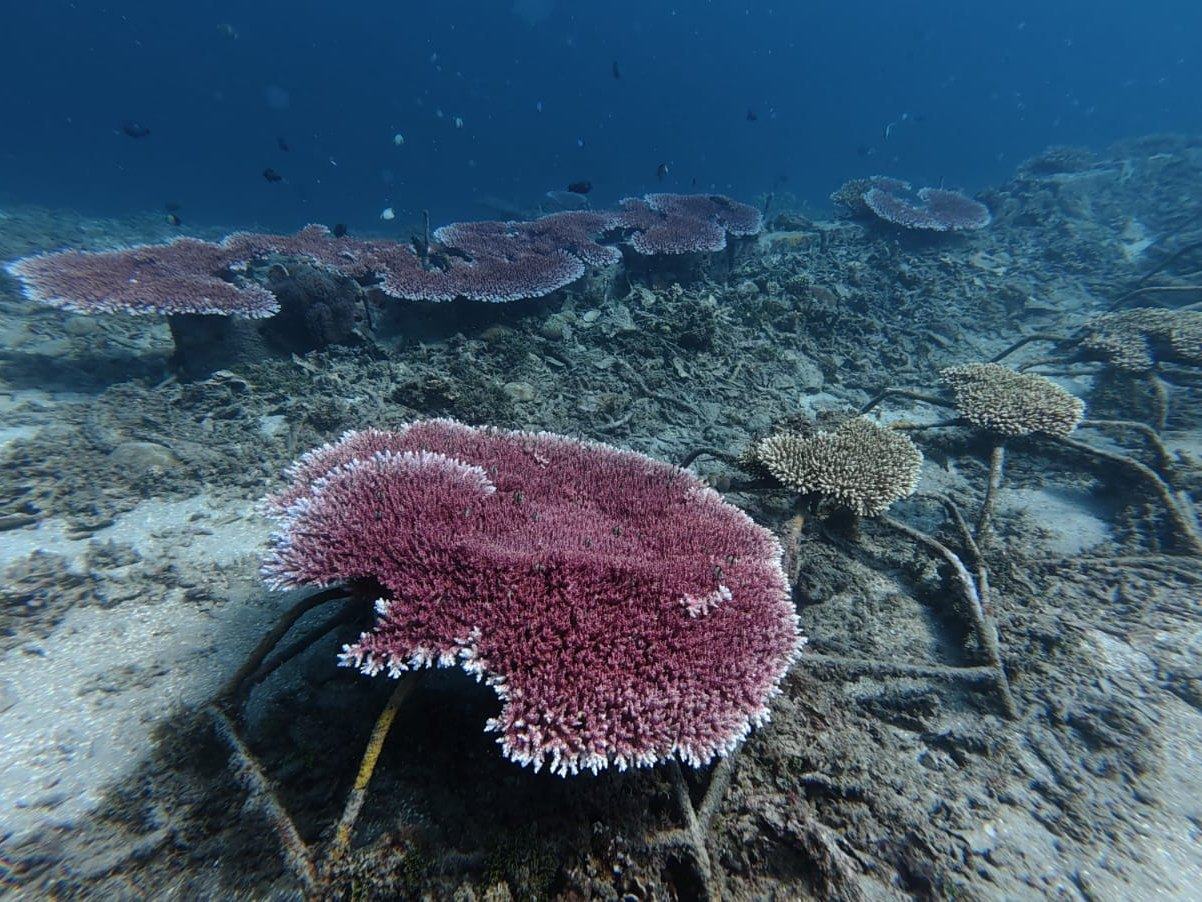
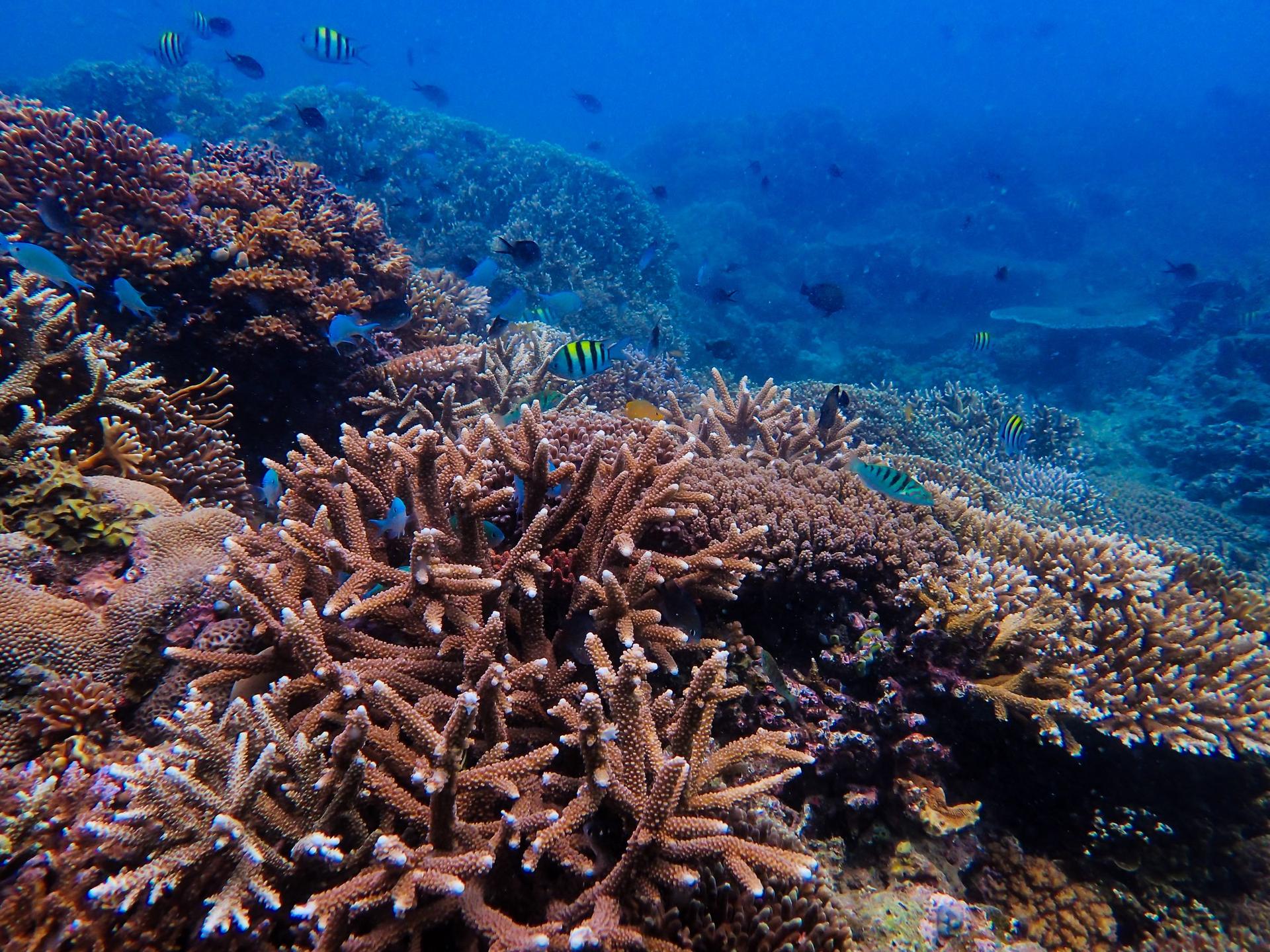
Pak Barmawi of KKP BPSPL Denpasar is one of the people who started coral restoration at Elak-Elak in West Lombok in August 2023, and he invited us to join the work there. Alongside KKP, we restore this critical marine habitat with local conservation groups, POKMASWAS Elak-Elak, POKMASWAS Pandanan and KAPELA NTB, and with marine science students from the University of Mataram. Together we have deployed around 200 MARS Blocks, three turtle statues and around 70 spider frames.
Since 2025 we have also worked with KKP on coral restoration at Pandanan Marine Park in North Lombok. With POKMASWAS Pandanan and UNRAM marine science students, we deploy MARS Blocks and plant coral on blocks and frames to rehabilitate the reef.
In 2026, with Pak Barmawi and the Ampenan tourism awareness group, POKDARWIS Ampenan, we explored and assessed the reefs around Ampenan. We then deployed 10 spider frames carrying 70 coral fragments to help the reef there recover.
What we do together
02/ 05 Collaborators
We host students, run placements and collaborate on research. Some of these relationships bring specialist expertise to our datasets; others give students their first proper field season.
4 partners
What we do together
Lombok's own university, and one of the partnerships we're proudest of. Together we monitor the GITA NADA Marine Protected Area, plant mangroves, teach in local schools and train UNRAM's marine science students, so our work helps develop the next generation of scientists here on the island.
What we do together
Students on UGM's community service programme join us to plant mangroves around Lombok, from Bangko-Bangko and Gili Gede to the east coast, and to help local communities understand why these forests matter. Some of that planting has brought in BKSDA NTB and the local government too.
What we do together
Through Dr Gretchen Coffman, we hosted Roots to Reefs, a field research experience in Lombok for NUS students, surveying and planting mangroves in Batu Putih, and worked with NUS, UNRAM and James Cook University on mangrove surveys using LiDAR.

What we do together
We've worked with Oxford Brookes since 2023, and most years welcome a small group of their undergraduates for specifically tailored Research Thesis Placements. Welcoming their students and lecturers is a highlight of our year.
In depth
Lombok's own university, and one of the partnerships we're proudest of. Together we monitor the GITA NADA Marine Protected Area, plant mangroves, teach in local schools and train UNRAM's marine science students, so our work helps develop the next generation of scientists here on the island.
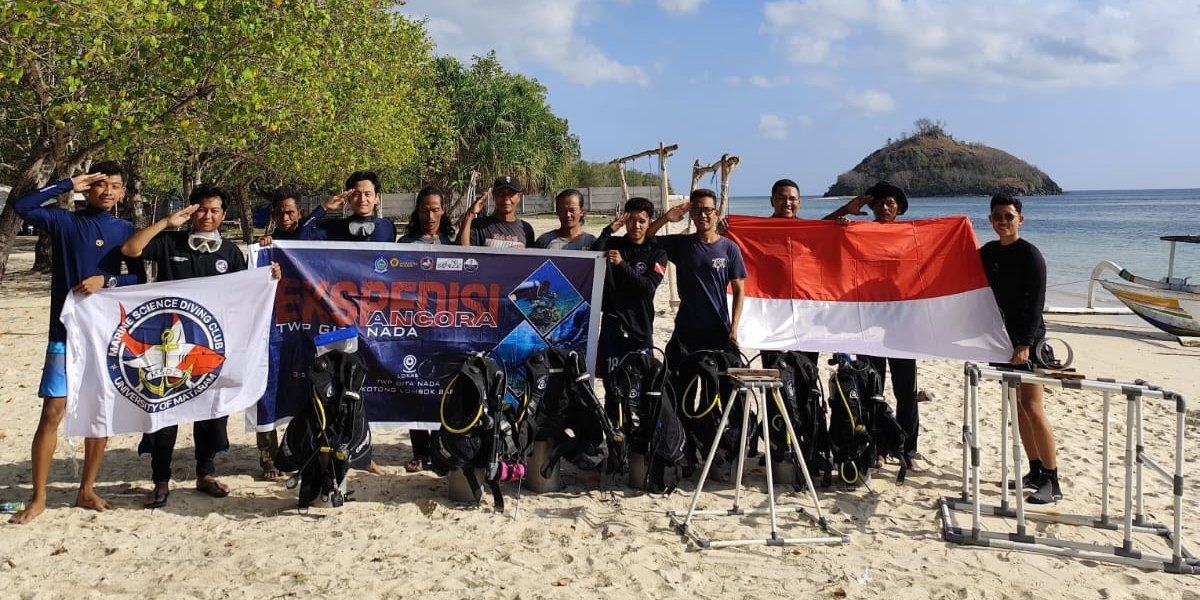
Our partnership with the University of Mataram (UNRAM) covers marine conservation, ecosystem restoration, research and environmental education. Together we monitor coral reefs, reef fish, invertebrates, megafauna and other priority species across the GITA NADA Marine Protected Area, plant mangroves, and run environmental education for local communities and for students at primary, junior high and senior high schools.
We host UNRAM marine science students on internships through Indonesia's Merdeka Belajar Kampus Merdeka (MBKM) programme, giving them hands-on experience of conservation and restoration to carry into their careers. We also support UNRAM students with their undergraduate thesis research, so they can complete their degrees while contributing to real marine science and conservation.
UNRAM has also invited our team to teach at the university as industry practitioners, on its courses in Tropical Marine Ecology and in the Conservation and Rehabilitation of Coastal and Marine Resources. It is a chance to share what we have learned in the field, and to help students connect what they study with conservation in practice.
Together with the National University of Singapore (NUS), we also run Roots to Reefs, which explores and restores mangroves and the connections between mangroves and the marine ecosystems beside them. Between the three of us, we hope to deepen scientific understanding and support the long-term protection of this coast.
What we do together
In depth
Students on UGM's community service programme join us to plant mangroves around Lombok, from Bangko-Bangko and Gili Gede to the east coast, and to help local communities understand why these forests matter. Some of that planting has brought in BKSDA NTB and the local government too.
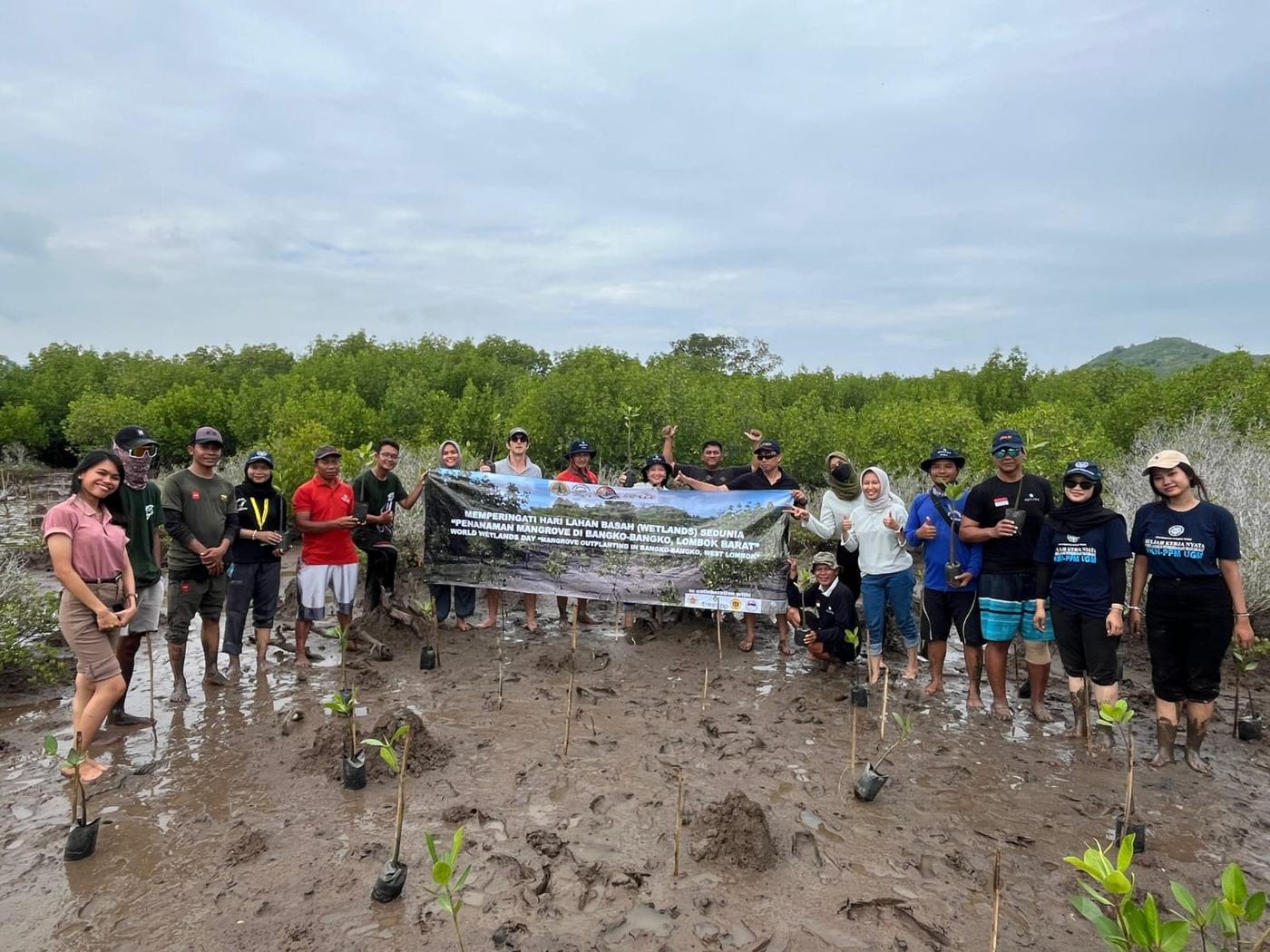
Universitas Gadjah Mada (UGM) runs Kuliah Kerja Nyata (KKN), a community service programme that sends students out to work alongside local communities, including on mangrove rehabilitation. Through it, UGM students have become regular partners in our mangrove work.
To mark World Wetlands Day, UGM, SORCE and the Natural Resources Conservation Agency of West Nusa Tenggara (BKSDA NTB) planted mangroves together at Bangko-Bangko in West Lombok, restoring habitat and raising awareness of how important wetlands and coastal ecosystems are.
With the local government body BLUD UPTD BPSDKP Lombok, we have also planted mangroves on Gili Gede, bringing universities, conservation organisations and government together on the same stretch of coast. In East Lombok, UGM and SORCE have run mangrove awareness campaigns and planting days, helping local communities understand why mangroves matter and encouraging them to take part in protecting and restoring them.
What we do together
In depth
Through Dr Gretchen Coffman, we hosted Roots to Reefs, a field research experience in Lombok for NUS students, surveying and planting mangroves in Batu Putih, and worked with NUS, UNRAM and James Cook University on mangrove surveys using LiDAR.
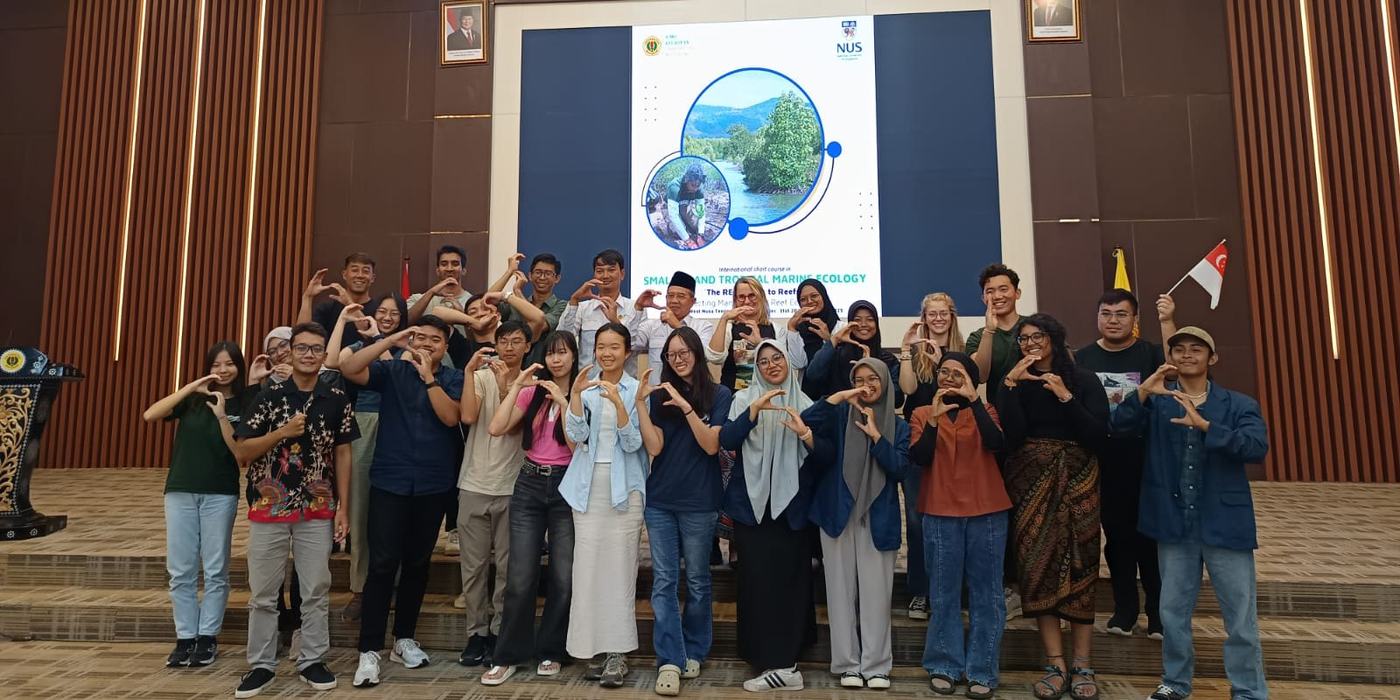
In collaboration with the National University of Singapore (NUS) and Dr Gretchen Coffman, SORCE hosted Roots to Reefs, a field research experience in Lombok. Funded by the NUS REx (Research Experience) Programme, it brought 10 NUS students from across the university to Lombok with Gretchen, where we carried out mangrove surveys and mangrove outplanting together in Batu Putih Village, West Lombok.
Following that collaboration, SORCE was invited to join UNRAM and NUS at the REx Symposium: Roots to Reefs, a chance to take part in international scientific discussion and to share our experience of conserving tropical marine and coastal ecosystems.
SORCE, NUS, UNRAM and James Cook University (JCU) have also worked together on practical mangrove surveys using LiDAR (Light Detection and Ranging).
What we do together
03/ 05 Collaborators
Indonesian non-profits and conservation organisations we work alongside on shared projects, and the groups whose tools, platforms or data we contribute to and use.
10 partners
What we do together
Our partner foundation in Indonesia, based at our field centre. We support its conservation, research and community work, and are a formal collaborator on the projects it runs.
What we do together
We restore coral with Yayasan Deep Blue Sea at Gili Goleng and Elak-Elak, and teach together about protecting the GITA NADA Marine Protected Area. They joined us for World Oceans Day and Coral Triangle Day too, planting coral on spider frames and cleaning the beach.
What we do together
Our neighbours and close friends: WildScuba Indonesia share our field centre in Sekotong, and the footage from their recreational dives helps us identify manta rays and monitor marine life well beyond our usual survey sites.
What we do together
Geo Trash Management run a plastic recycling facility in Lombok that uses pyrolysis. The plastic we collect on beach cleans and debris dives goes to them to be recycled, and our A-Level students visit their facility twice a year to see how it works.
What we do together
The Indonesia Biru Foundation have invited us to plant mangroves at Cemare Beach, restore coral at Elak-Elak and join the Coral Connect conference, and together we ran a workshop on developing AI software for coral analysis.
What we do together
Coral Restoration Foundation run CoralPalooza, a global week of coral restoration each year, and we were proud to be part of it in 2025 and 2026. It's a lovely feeling to be planting corals here in Lombok during the same week as restoration teams all over the world.
What we do together
Shark Stewards introduced us to Undercurrent and the Ignite Foundation and helped us secure grants from both, funding that has grown our research and our Marine Protected Area work in southwest Lombok. We're so grateful to them for believing in what we do.
What we do together
Dr Gretchen Coffman, a renowned expert in wetland restoration, has worked with us on mangrove restoration since 2019, and the Roots to Reefs restoration plan she created with her students in 2020 helped us plan the mangrove project we run today.
What we do together
We work with the youth community of Tanjung Luar in East Lombok on mangrove rehabilitation: teaching how mangroves work and how to plant them well, planting together with local people, and monitoring afterwards to see which trees survive.
What we do together
We work with our local elementary school on beach clean-ups, mangrove planting and classroom sessions about marine ecosystems and why the ocean needs protecting.
In depth
Our partner foundation in Indonesia, based at our field centre. We support its conservation, research and community work, and are a formal collaborator on the projects it runs.
Yayasan SORCE Konservasi Indonesia is an Indonesian foundation and a separate legal entity from SORCE, with its own independent board. Our partnership with it covers conservation, community engagement, research and scientific work.
The foundation is based at our field centre in Sekotong. SORCE provides the logistics, accommodation, equipment and support that its field activities need, so that its marine conservation work can run smoothly, alongside our own.
The foundation's own work includes coral reef restoration, mangrove rehabilitation, ecological monitoring and marine ecosystem surveys, along with research, field data collection and community-based conservation. SORCE is a formal collaborator on the research, conservation, education and outreach activities it runs.
What we do together
In depth
We restore coral with Yayasan Deep Blue Sea at Gili Goleng and Elak-Elak, and teach together about protecting the GITA NADA Marine Protected Area. They joined us for World Oceans Day and Coral Triangle Day too, planting coral on spider frames and cleaning the beach.
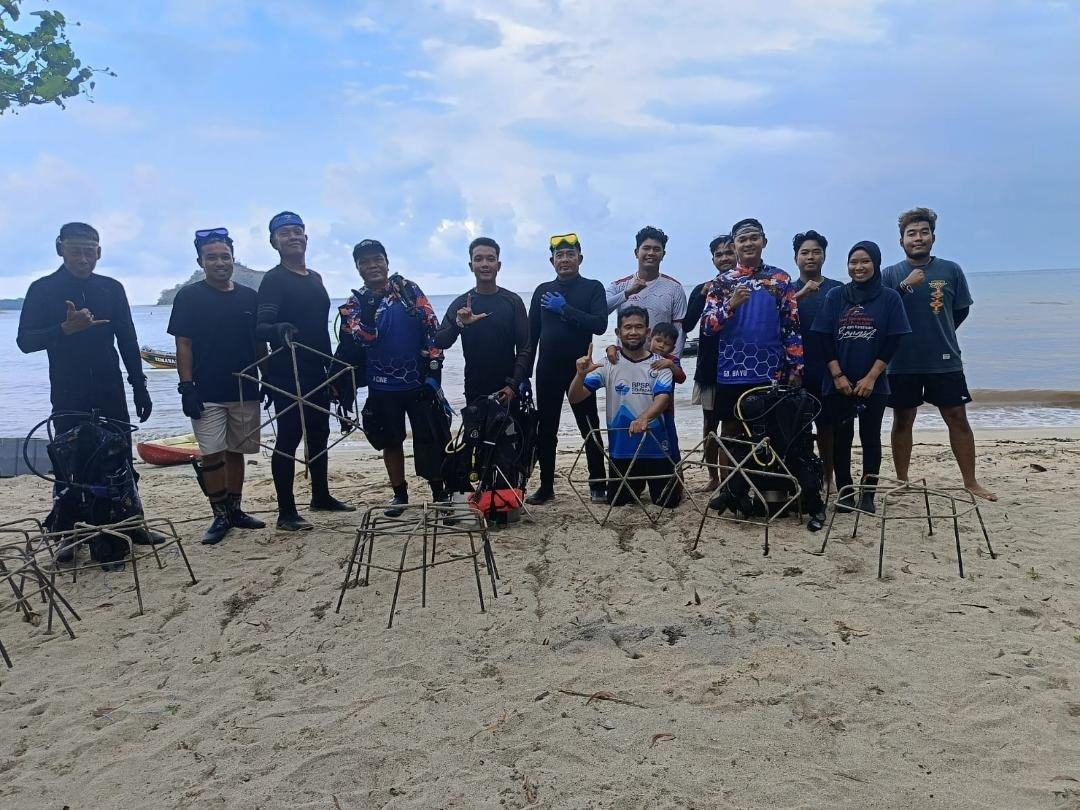
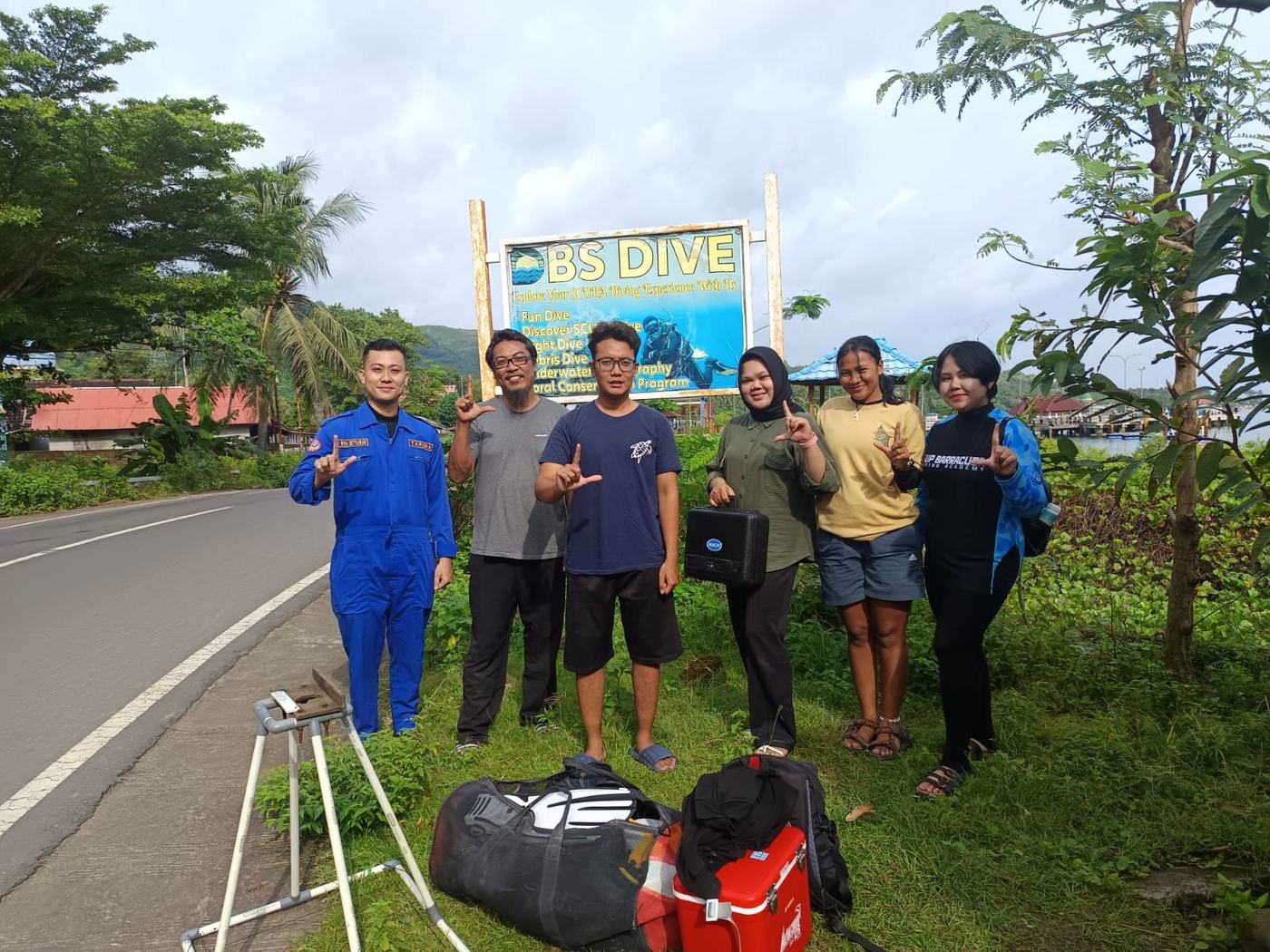
We work with Yayasan Deep Blue Sea (YDBS) on marine conservation, coral reef restoration and environmental education. Together we gave a session on marine conservation in the GITA NADA Marine Protected Area to students from Universitas 45 Mataram, on why these ecosystems matter and how coastal resources can be managed sustainably.
We have restored coral together at Gili Goleng, and YDBS joined the coral restoration at Elak-Elak alongside the local government agency BLUD UPTD BPSDKP Lombok, BPSPL Denpasar and the Marine Police, conservation organisations, government and law enforcement working side by side on the same reef.
YDBS also joined us and our other partners for World Oceans Day and Coral Triangle Day, planting coral on ten spider-frame structures and cleaning the beach.
What we do together
In depth
Our neighbours and close friends: WildScuba Indonesia share our field centre in Sekotong, and the footage from their recreational dives helps us identify manta rays and monitor marine life well beyond our usual survey sites.
WildScuba Indonesia is a recreational dive operator based at our field centre in Sekotong. Sharing a home has given us an unusually close partnership, built on a shared love of the ocean and real friendships between our two teams.
It also takes our research further than our own surveys can. WildScuba share the underwater footage from their recreational dives, and our research team analyses it to monitor marine megafauna, above all manta rays. Every manta has a unique pattern of spots on its belly, so each identification builds a record of sightings and resightings, and comparing those records with other research organisations' databases could show how individuals move between sites.
Our team also joins WildScuba from time to time on trips to other dive sites, recording diver-operated video to monitor the wildlife there, including larger open-water species we rarely see in our regular monitoring areas. It extends the reach of our monitoring, and it shows what dive tourism and marine conservation can achieve together.
What we do together
In depth
Geo Trash Management run a plastic recycling facility in Lombok that uses pyrolysis. The plastic we collect on beach cleans and debris dives goes to them to be recycled, and our A-Level students visit their facility twice a year to see how it works.
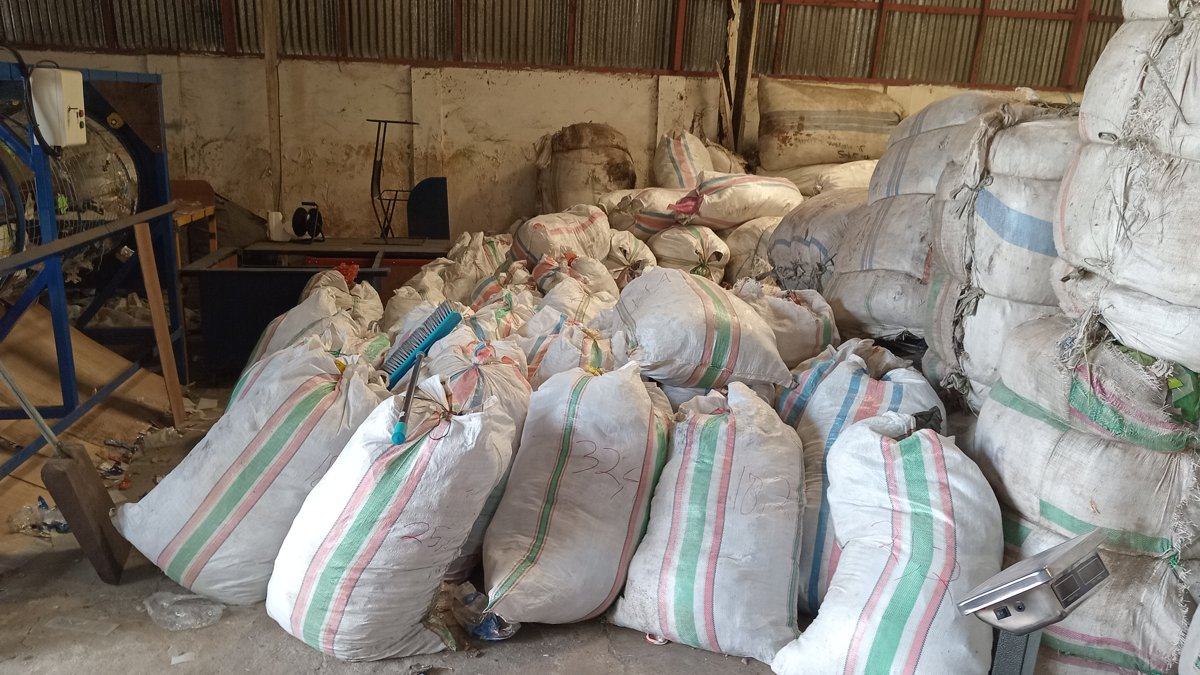
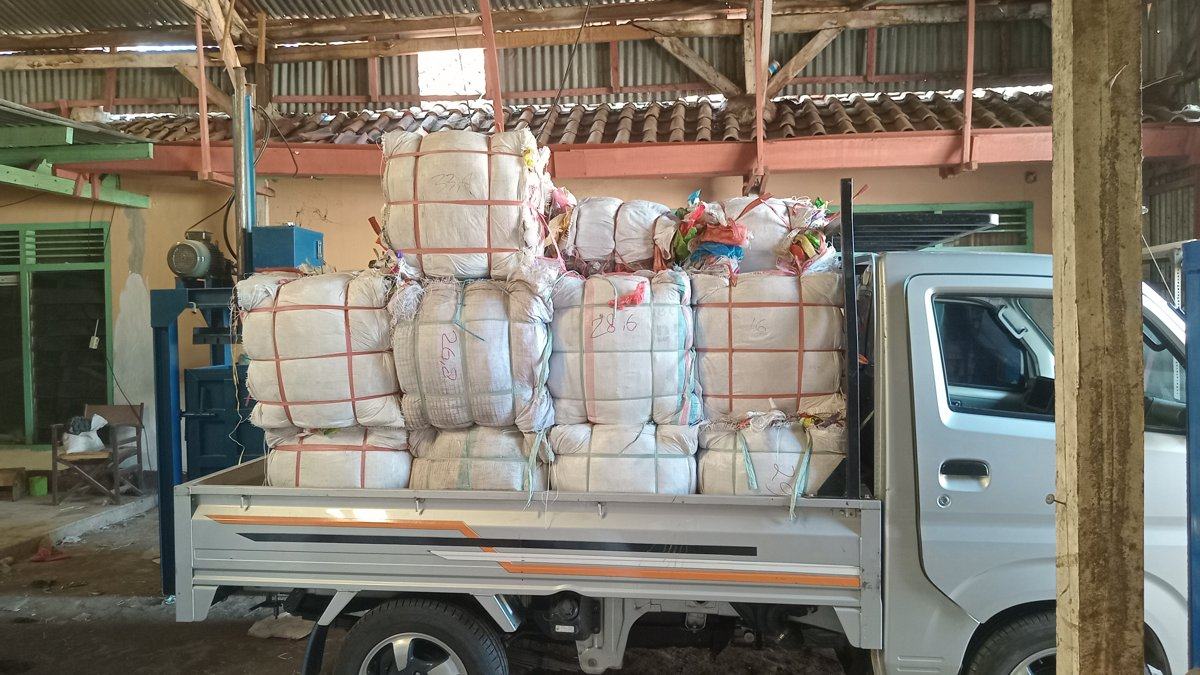
Geo Trash Management (GTM) is an Indonesian company, based in Senggigi in West Lombok, working to solve the plastic pollution problem by giving waste plastic a value. Their facility recycles plastic through pyrolysis, a process that breaks plastic down with heat in the absence of oxygen, turning it into products that can be used again rather than leaving it in landfill or the sea.
We first met GTM in 2021 and began working together in 2024. Every bit of plastic we pull out on our beach cleans and debris dives goes to them. Anything their process can take, they recycle; anything it cannot is passed on to other recycling organisations that use different methods, so as little as possible goes to waste.
We store the plastic at the field centre until we have around a tonne, then transport it to GTM in one load. That way we are not making lots of trips for small amounts of plastic.
Twice a year, our Marine Science A-Level students take a field trip to GTM's recycling facility, to see what happens to the plastic they have helped collect and how pyrolysis works in practice.
What we do together
In depth
The Indonesia Biru Foundation have invited us to plant mangroves at Cemare Beach, restore coral at Elak-Elak and join the Coral Connect conference, and together we ran a workshop on developing AI software for coral analysis.
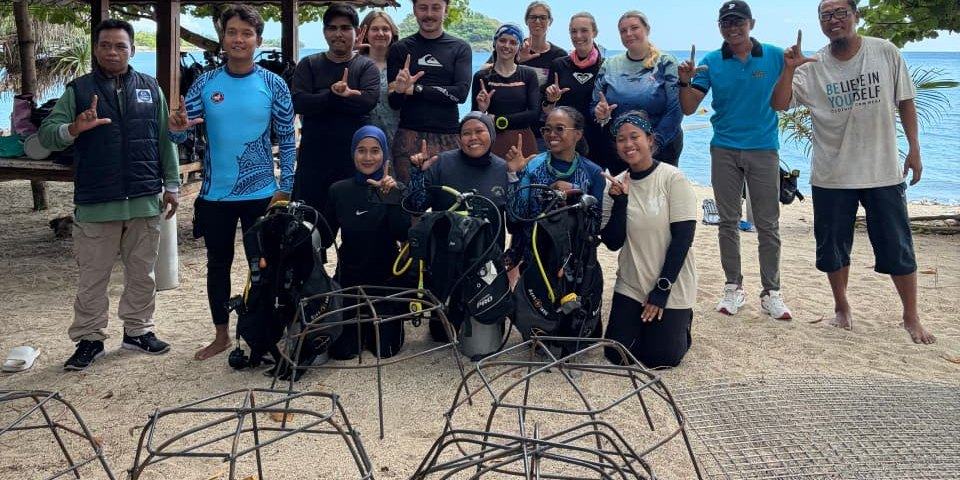
The Indonesia Biru Foundation (IBF) invited us to plant mangroves with them at Cemare Beach in West Lombok, as part of their work to rehabilitate the coast and encourage mangrove conservation. We have also restored coral together at Elak-Elak, alongside the local government agency BLUD UPTD BPSDKP Lombok and the Deep Blue Sea community surveillance group (Pokmaswas), bringing conservation organisations, government and local communities together on the same reef.
IBF also invited us to Coral Connect, a conference where conservation organisations and practitioners meet to talk through the challenges facing marine conservation and to share what they have learned.
Most recently, we ran a workshop together on developing AI software for coral analysis: exploring how artificial intelligence could make reef monitoring faster and strengthen the data that conservation decisions rest on.
What we do together
In depth
Dr Gretchen Coffman, a renowned expert in wetland restoration, has worked with us on mangrove restoration since 2019, and the Roots to Reefs restoration plan she created with her students in 2020 helped us plan the mangrove project we run today.
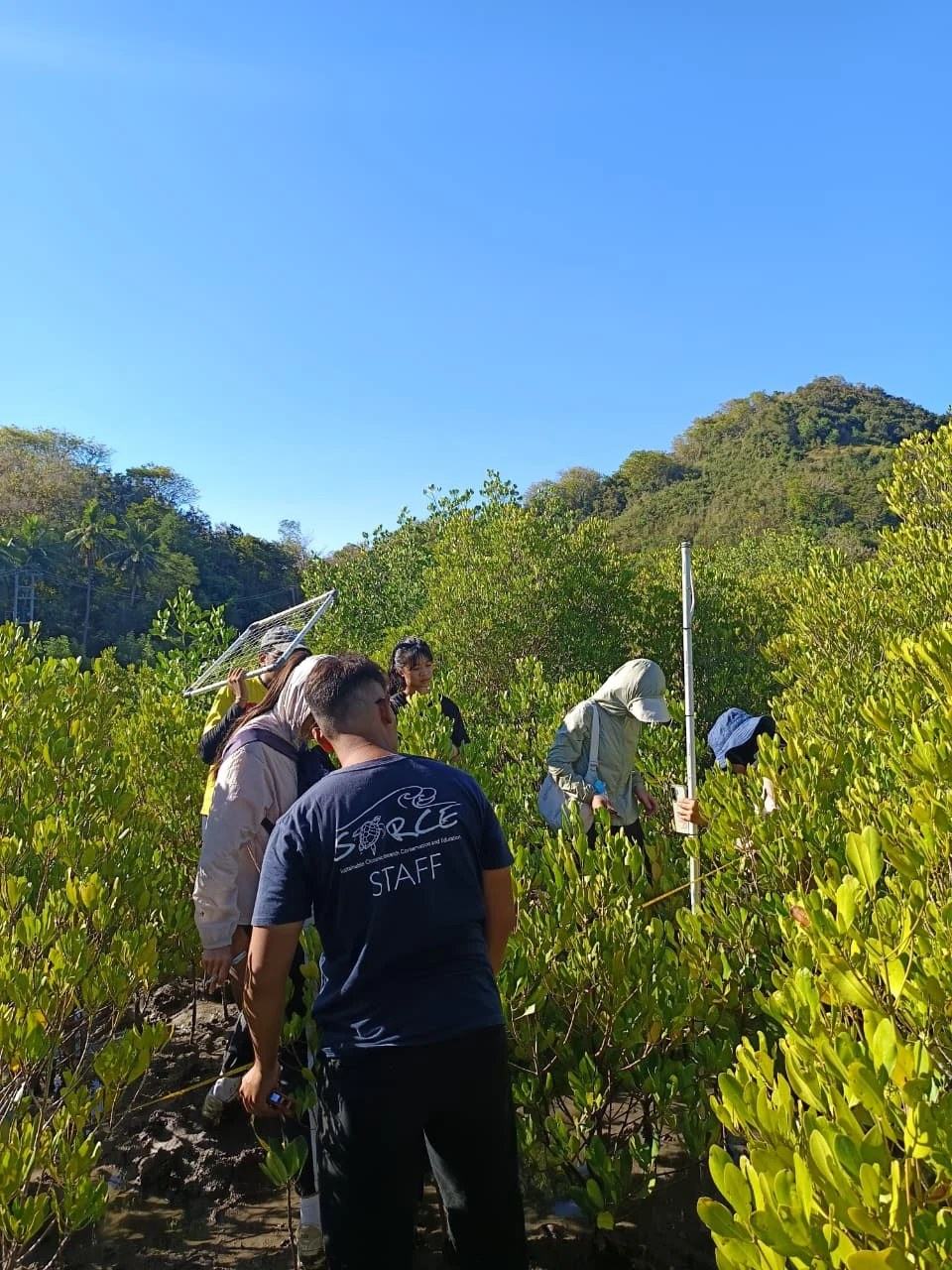
The TRE Lab (Tropical Restoration Ecology Lab) was founded and is led by Dr Gretchen Coffman, a renowned expert in wetland restoration. Its work restores tropical coastal ecosystems across Southeast Asia, combining science with community-based stewardship. Gretchen first visited us in July 2019, and TRE Lab has come back several times since for short stays: carrying out mangrove restoration and monitoring, giving guest lectures, and sometimes bringing students and visiting academics as well.
In 2020 she worked with a group of students on a Roots to Reefs restoration plan. It helped us a great deal in planning and starting our mangrove restoration project, which we have since grown from 800 trees in its first six months to 30,000 trees a year.
She has also become something of an external expert adviser to SORCE: whenever we are unsure about an aspect of wetland biology, she is one of the first people we ask.
What we do together
In depth
We work with the youth community of Tanjung Luar in East Lombok on mangrove rehabilitation: teaching how mangroves work and how to plant them well, planting together with local people, and monitoring afterwards to see which trees survive.
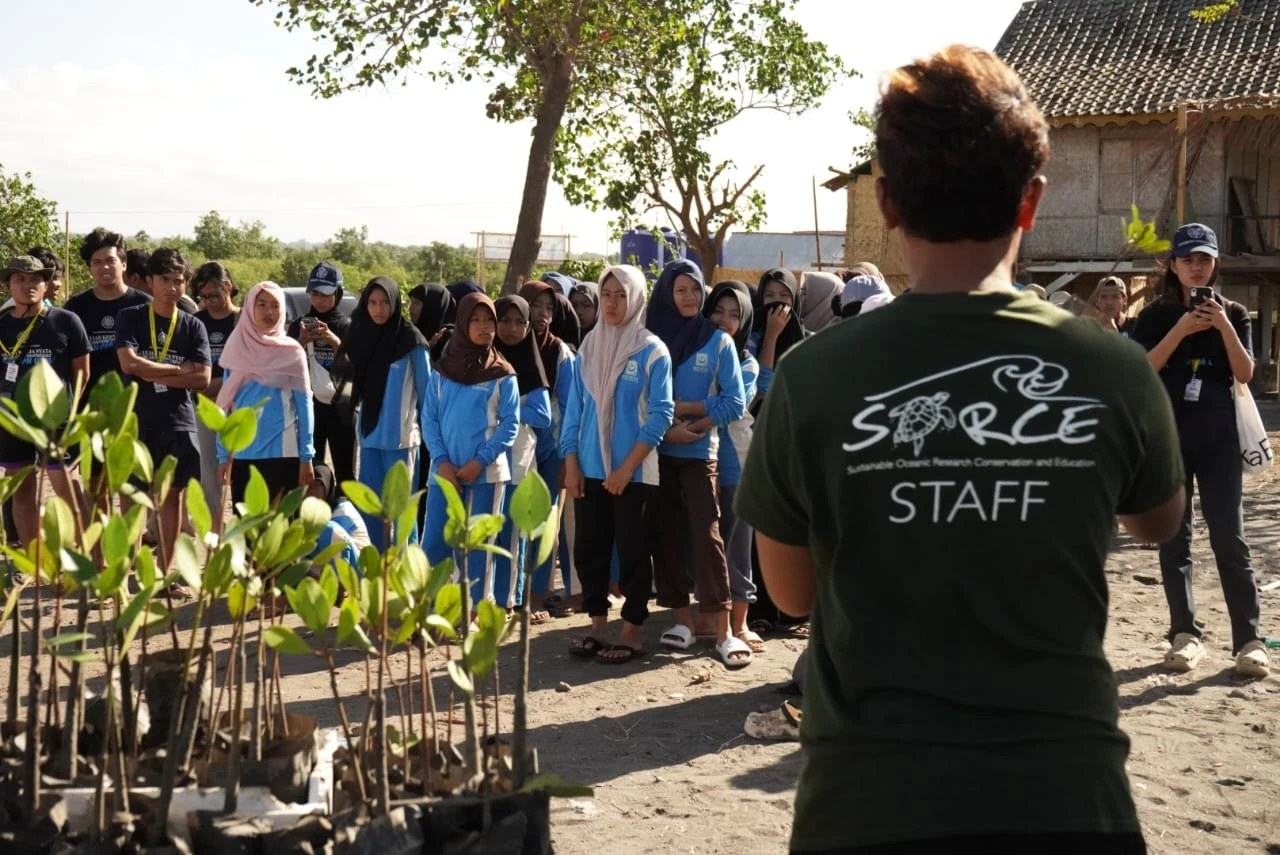
SORCE works with Pemuda-pemudi Tanjung Luar, the local youth community of Tanjung Luar in East Lombok, to support mangrove rehabilitation in Tanjung Luar Village. Part of that is education: what mangrove ecosystems are, what they do and why they matter, and the right techniques for planting them.
Alongside the youth community, KKN (community engagement) students from UNRAM, UGM, UIN Mataram and Hamzanwadi University join us to plant mangroves with the people who live there. SORCE also provides mangroves to support the community's own ongoing rehabilitation work.
The partnership goes beyond planting. Together we regularly monitor and evaluate the mangroves already in the ground, to see how many survive. Through it, we hope to strengthen local involvement and help mangrove rehabilitation here become something the community leads and sustains.
What we do together
In depth
We work with our local elementary school on beach clean-ups, mangrove planting and classroom sessions about marine ecosystems and why the ocean needs protecting.
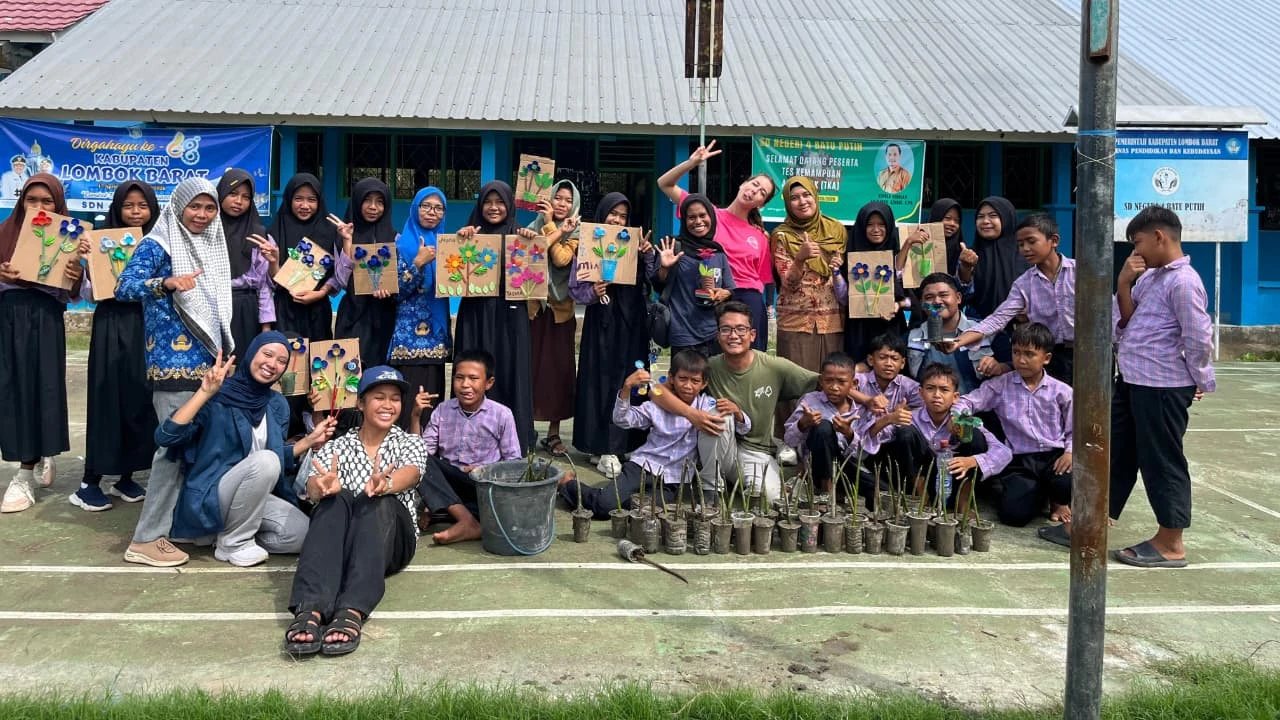
SORCE has worked with local elementary schools through a range of environmental activities, including beach clean-ups and mangrove planting. We also run classroom sessions to teach students about marine ecosystems and the importance of protecting the ocean.
With SDN 04 Batu Putih we have also organised a creative recycling activity, in which students turned plastic waste into useful and creative things.
These activities aim to nurture environmental awareness in the younger generation: inspiring children to care for nature, to understand why marine ecosystems need protecting, and to grow into environmentally responsible people who will help look after the environment for future generations.
What we do together
04/ 05 Collaborators
The organisations whose methods we teach, whose standards we are assessed against, and who make our qualifications possible.
4 partners
What we do together
We train Eco-Divers in the Reef Check method and contribute our reef monitoring data to their work. It means the surveys our volunteers carry out here count towards something much bigger, and we're really glad to be part of that.

What we do together
We teach PADI AWARE's Dive Against Debris method, so every piece of rubbish we pull off the reef is recorded and added to their global database. It turns a clean-up dive into real data, and we're proud to contribute.
What we do together
Green Fins assess our dive operations against their environmental standard. We really value having an outside eye on how we dive, and their guidance helps us make sure we're looking after the reef as well as we possibly can.
What we do together
Sekolah Nusa Alam enter our Marine Science A-Level students for their Cambridge International examinations as private candidates. We couldn't offer the A-Level without them, and we're very grateful for their help.
05/ 05 Collaborators
Organisations whose funding keeps the science running: the monitoring programmes, the restoration work and the people who carry them out.
7 partners
What we do together
Autore farm South Sea pearls in the waters of Lombok. Since 2024 they have worked with us to give back to the coast they farm: first through mangrove planting and community days, and now by hosting and helping fund our coral restoration, and opening their farms to our A-Level students.
What we do together
Since 2021 we have been a planting location on TreeApp, the free app that lets people plant trees around the world just by watching an advert. Their monthly support helps make our mangrove planting possible, and they have introduced us to other businesses who have backed it too.

What we do together
ICN Media support us in kind, hosting our email and website free of charge, and they've helped us plan marketing and email campaigns to reach more people and broaden our income. It's a huge help to a small organisation like ours, and we're very grateful for their generosity.
What we do together
In 2023 the Ignite Foundation funded one of our largest research projects to date, a full assessment of marine life and reef health in and around the GITA NADA Marine Protected Area, and in 2026 they supported our wider work. We're incredibly grateful for their belief in what we do.
What we do together
Introduced to us by TreeApp, Juhler Group ran a short campaign with us in 2024 that funded the planting of mangroves on the Lombok coast.

What we do together
Introduced to us by TreeApp, Bird & Blend ran a short campaign with us in 2024 that funded the planting of mangroves on the Lombok coast.

What we do together
For every runner in the Turkey Trot Half-Marathon, we receive £2 and plant one coral and one mangrove for each runner. The following year, we send every runner an update and information pack so they can see what their run helped to grow. We love being part of it.
In depth
Autore farm South Sea pearls in the waters of Lombok. Since 2024 they have worked with us to give back to the coast they farm: first through mangrove planting and community days, and now by hosting and helping fund our coral restoration, and opening their farms to our A-Level students.
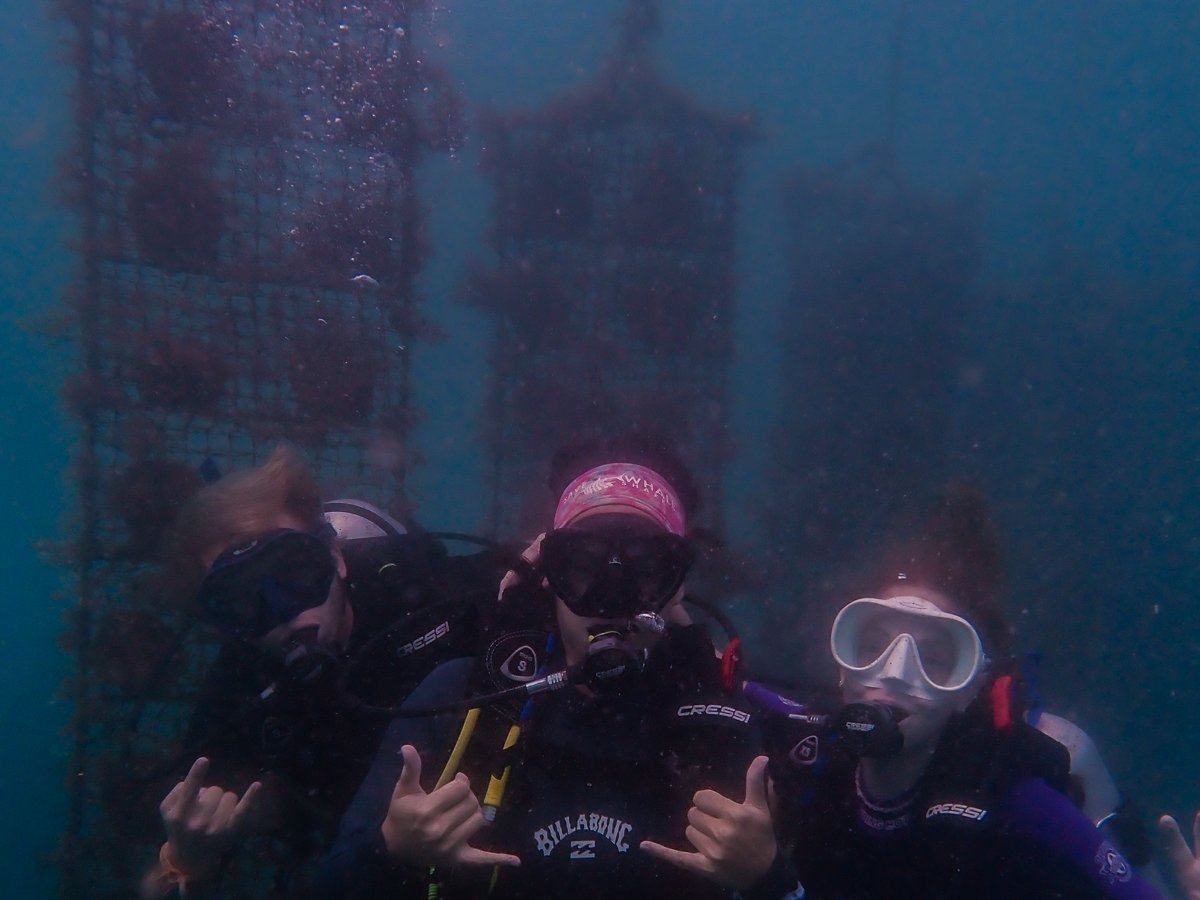
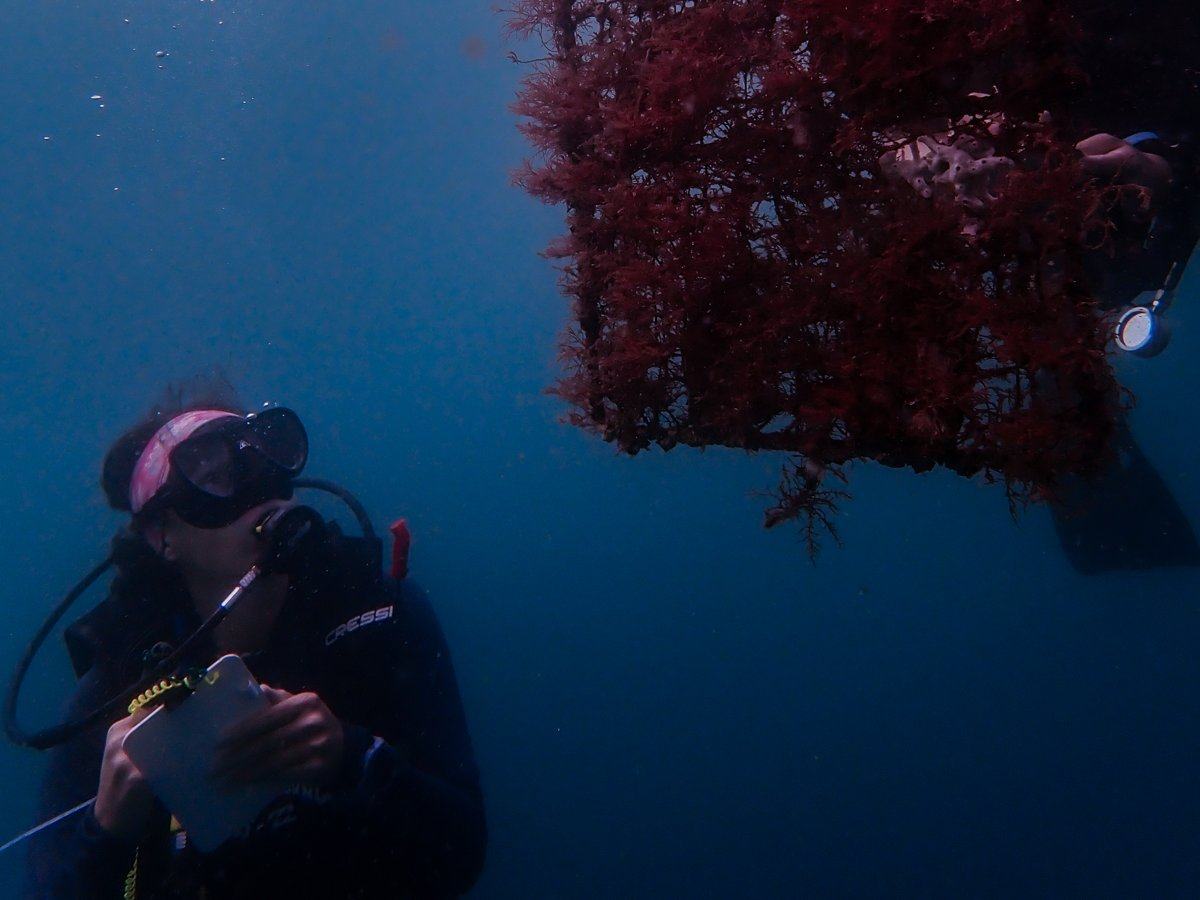
The AUTORE Group is a family-owned pearl company, founded by Rosario Autore in 1991, that farms South Sea pearls in the waters of Western Australia and Indonesia. Their Lombok farm sits in the calm bay of Teluk Nara on the island's west coast. A pearl needs clean, healthy water to grow, so looking after the ocean around their farms is central to how they work, and alongside it they support local communities through conservation, community projects and other collaborations.
We met Autore in 2024. They began by supporting the planting of mangroves, and a community day teaching local people why mangroves matter and how they protect the coast. Since then we have run a number of community events together.
Today they support our coral restoration. Autore hold marine space permits for areas of the sea around their farms, and they allow SORCE to restore reef inside those areas. They also contribute funding towards the cost of that restoration work.
They support our Marine Science A-Level too. Our students visit Autore's aquaculture sites, diving beneath the farm to see the oyster cultures underwater, then seeing above the surface how the oysters are monitored, cleaned and processed at each stage. It is a rare chance to see how a sustainable marine business works from the inside.
We are very grateful to Autore for their generosity, and for showing what a business and a conservation organisation can achieve together on the same stretch of coast.
What we do together
In depth
Since 2021 we have been a planting location on TreeApp, the free app that lets people plant trees around the world just by watching an advert. Their monthly support helps make our mangrove planting possible, and they have introduced us to other businesses who have backed it too.
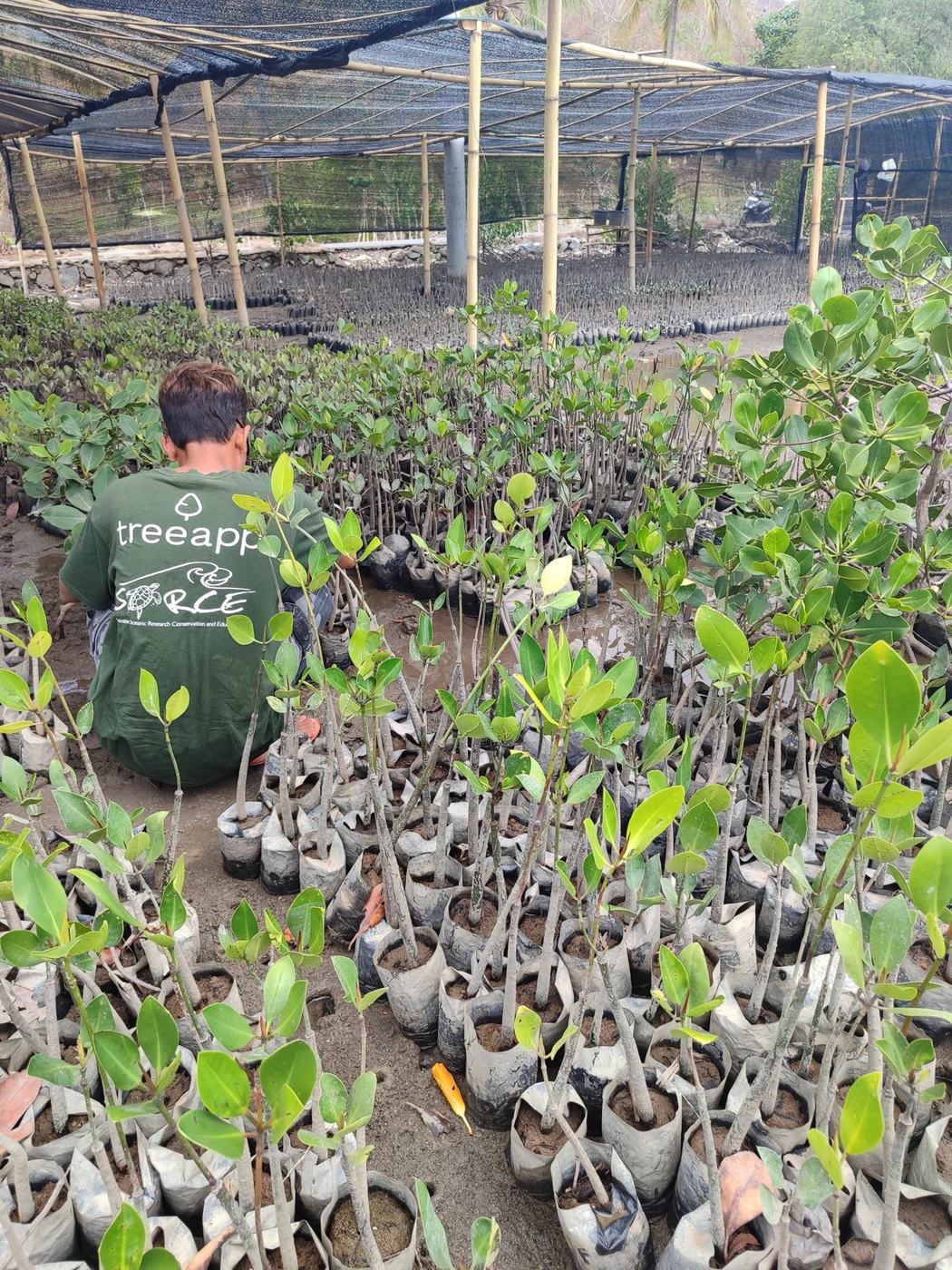
TreeApp is a free app that turns a minute of someone's day into a planted tree. Users watch a short advert from a sponsor, and the money that advert raises pays for a tree to be planted by one of the restoration projects listed on the app, in places all over the world. Users can choose where their tree goes and follow the projects they have supported.
We have worked with TreeApp since 2021, and SORCE is one of their planting locations. Anyone, anywhere, can choose to have a mangrove planted on the coast of southwest Lombok with us, without ever setting foot here.
Every month TreeApp support our mangrove restoration, and that steady support is part of what helps us plant around 30,000 mangroves a year. It sits alongside our other funding and supporters, and because it arrives reliably it helps us plan each planting season with confidence.
TreeApp have also introduced us to other businesses who wanted to fund restoration, including Bird & Blend and the Juhler Group, who each ran a short campaign with us that paid for mangroves to be planted.
Through our profile and those of the other projects on the app, TreeApp help a huge audience learn why mangroves matter, and why reforestation of every kind, from tropical forests to coastlines, is worth supporting. We are proud to be part of that, and very grateful for their support.
What we do together
In depth
In 2023 the Ignite Foundation funded one of our largest research projects to date, a full assessment of marine life and reef health in and around the GITA NADA Marine Protected Area, and in 2026 they supported our wider work. We're incredibly grateful for their belief in what we do.
In 2023 the Ignite Foundation funded one of our largest research projects to date: a comprehensive assessment of marine biodiversity and ecosystem health in and around the GITA NADA Marine Protected Area in southwest Lombok.
The project ran for more than 12 months in the field and six months of analysis, surveying over 50 sites with a range of scientific methods, including many beyond the stations we monitor every year. It produced an extensive dataset and three scientific publications, on coral cover, reef fish communities and invertebrates. It also strengthened our relationships with the local government authorities, laying the foundation for the work we now do together on managing and protecting the Marine Protected Area.
In 2026 the Ignite Foundation supported us again, this time with funding towards our wider work, helping us keep our research and conservation going in Lombok. We're incredibly grateful for their continued belief in us, and for everything their support has made possible.
What we do together
Also listed on
Our expeditions are also listed on these travel and volunteering platforms, where you can read independent reviews from people who have been here.
Work with us
We are interested in collaborations that make scientific or conservation sense. Tell us what you are working on and what you are hoping for, and we will tell you honestly whether there is something here worth building.


Businesses, funders and organisations looking for a formal partnership have their own route in, and if you would rather support the work directly, there are simpler ways to do that too.