
Find Your Ocean Adventure
Six routes into marine science and conservation, from a first look at a coral reef to a qualification that shapes a career.
Expeditions & Courses
Find your route
SORCE offers a suite of tailored marine science and conservation expeditions. Whether you are a curious traveller discovering coral reefs for the first time, a university student preparing for a career in marine conservation, or an early career scientist looking to develop your skills and experience, we have an expedition designed for you.
Explore below to find the experience that is right for you, and if you are not sure, tell us where you are starting from and we will point you to the right one.
Every expedition is the same in one respect: the work you do here is real, and directly contributes to our research and conservation programmes.
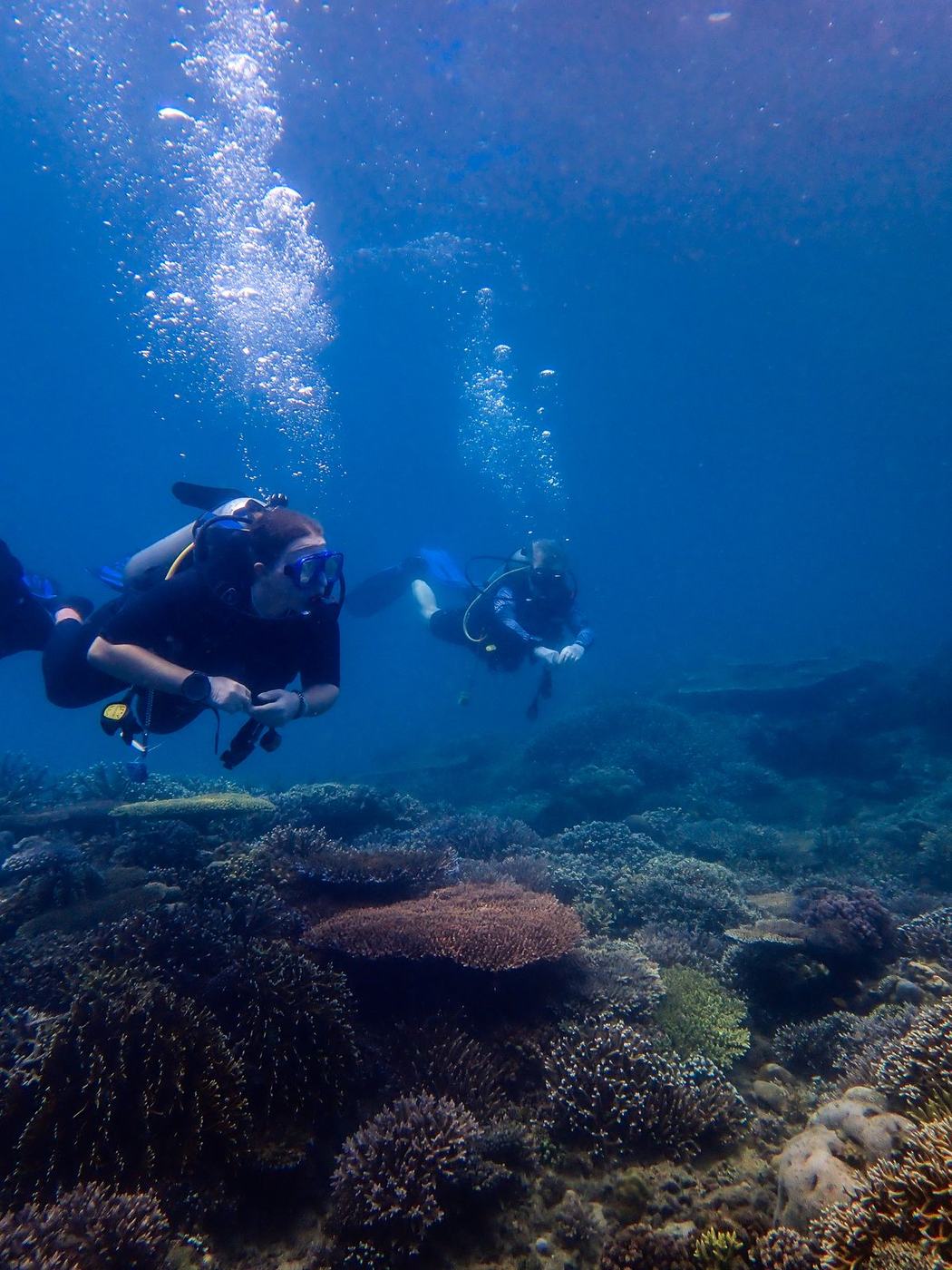
Our expeditions
Choose your expedition
Every one of them puts you in the water and on a live project. What changes is how far you go, what you come away holding, and who it is built for.
-
 Eco-Venture
Adventure with purpose
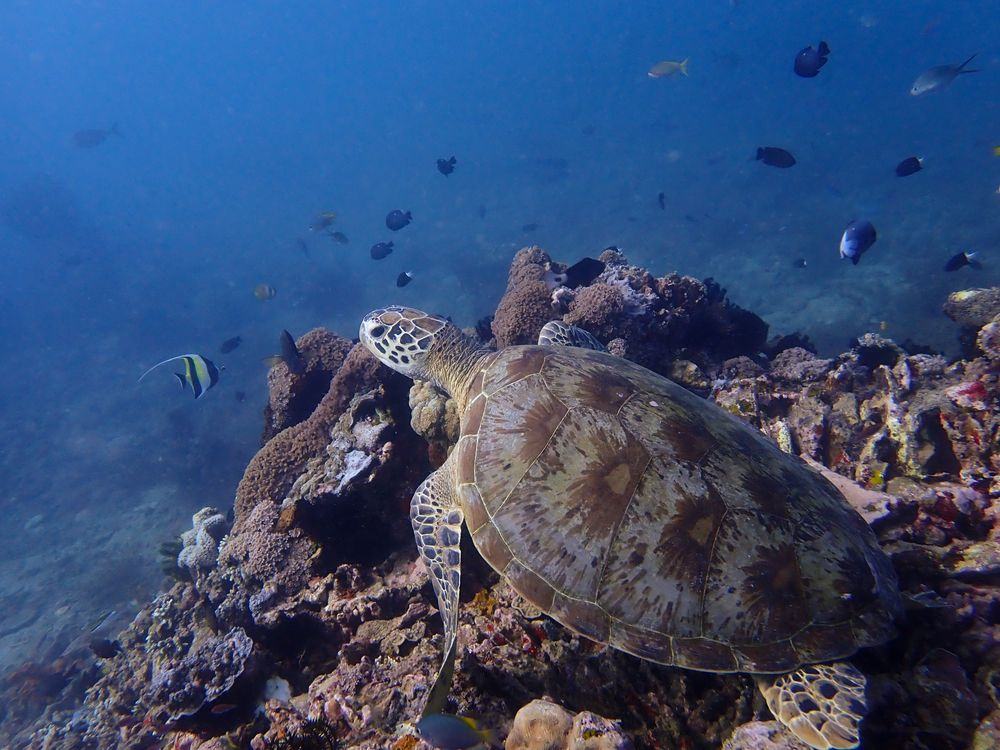
Designed for travellers, divers and ocean enthusiasts who want to experience conservation first-hand. Learn, explore and contribute to real, hands-on ocean restoration projects while enjoying Lombok’s stunning reefs and coastlines.
EV
-
 Conservation Research Assistant
Practical experience for university students
For students of marine biology or related subjects. Gain practical field skills, dive training and experience on genuine research and conservation projects: skills that add depth to your degree and stand out on your CV if you are heading for a career in marine science.
CRA
-
 Research Thesis Placement
Turn field research into your dissertation or thesis
Undertake your dissertation or independent research project in Indonesia for university credit, supported by our experienced team of scientists. Ideal for a final-year project, or for gaining independent project management experience.
RTP
-
 Scientific Field Placement
Advanced training for graduates & professionals
For graduates and early-career professionals. Develop advanced research and NGO management skills and build project leadership experience, mentoring citizen scientists and undergraduates while contributing to cutting-edge projects.
SFP
-
 Marine Science A-Level
An A-Level like no other
A fully immersive 16-week residential course in Lombok, leading to an internationally recognised qualification: the Cambridge International A-Level in Marine Science. Ideal as a stepping stone to further study, to open up new career options, or simply to learn more about the undersea world.
MSAL
-
 Conservation Divemaster
Become a dive professional. Become a conservation diver.
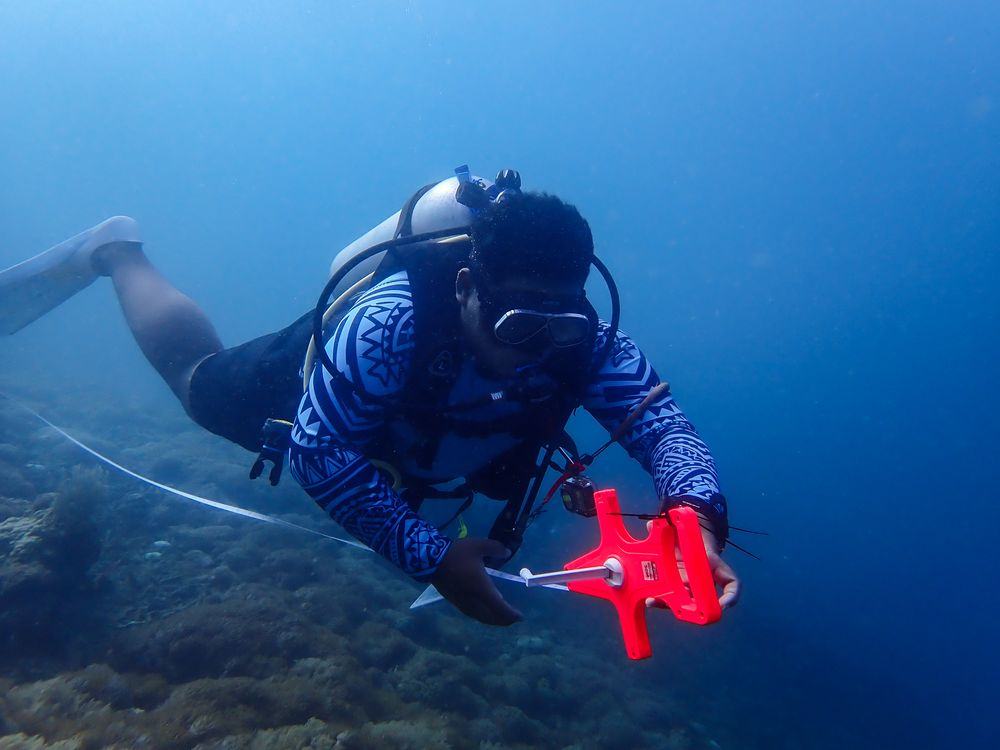
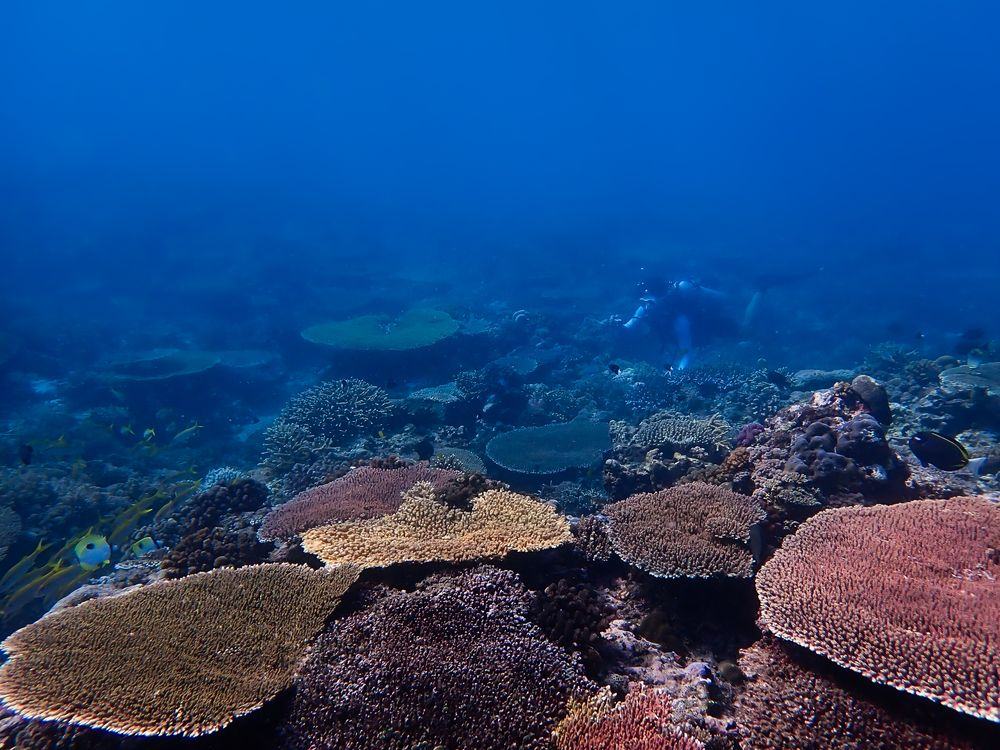
The PADI Divemaster qualification combined with eight weeks of marine conservation training and field experience. Coral restoration, BRUV surveys, species identification and mangrove work, alongside professional dive training. Four cohorts a year.
CDM

Side by side
Compare the expeditions
All six expeditions side by side: who each one is for, how long it runs and when it starts.
| Expedition | Who it’s for | Duration | Start dates | Key features |
|---|---|---|---|---|
|
Eco-Venture (EV)
|
Open to all | 2 - 25 weeks | Any Monday | Diving, marine species ID, coral planting, mangrove planting |
|
Conservation Research Assistant (CRA)
|
University students | 2 - 25 weeks | Any Monday | Eco-Venture plus advanced research training, survey and software techniques, skill-building |
|
Research Thesis Placement (RTP)
|
University students | 6 - 25 weeks | Any Monday | Independent research, mentorship |
|
Scientific Field Placement (SFP)
|
Graduates and early career | 12 - 25 weeks | Any Monday | Advanced research, project leadership, NGO management |
|
Marine Science A-Level (MSAL)
|
Open to all | 16 weeks | January and July | Cambridge A-Level qualification, diving, conservation |
|
Conservation Divemaster (CDM)
|
Rescue Divers, or train up with us | 8 - 25 weeks | Every 10 weeks from March | PADI Divemaster, coral restoration, BRUV surveys, species ID |
A week at SORCE
What a typical week looks like
Some work, like nursery maintenance and BRUV surveys, happens every week because our projects rely on it. The rest moves with the tides, the weather, your learning needs and what you most want to do.
-
MonMonday
Dry day
Arrival day
- Arrivals and departures
- SORCE induction for new arrivals
- Free time for everyone else
- Many head off-site to explore the area
EveningFree time
No diving
-
TueTuesday
Dive day
Coral restoration
- Introduction to House Reef dive
- Conservation briefings
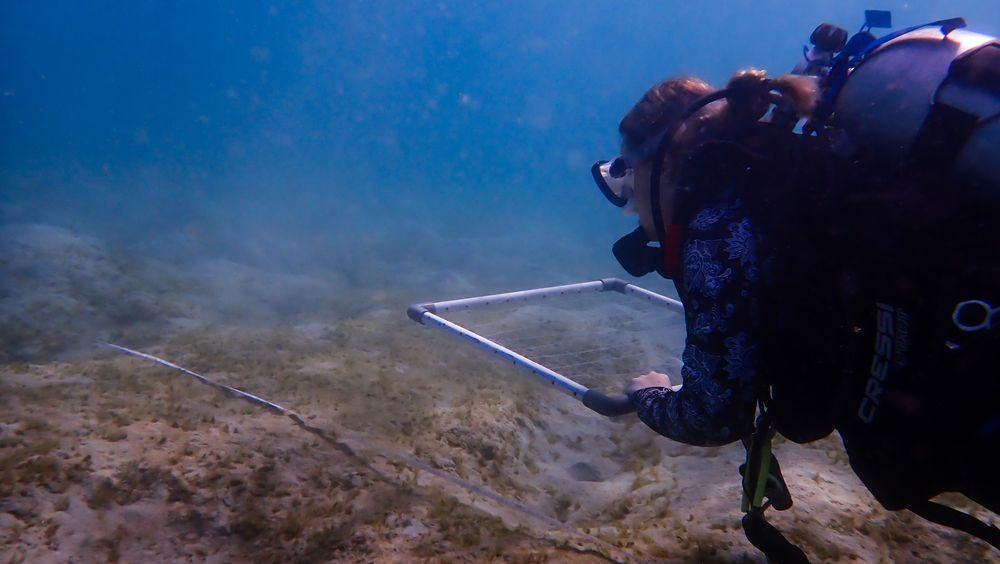
- Coral nursery maintenance dives
Night dive some weeks
EveningFree time
2 - 3 dives
-
WedWednesday
Dive day
Conservation and ID
- Conservation dives
- Research and survey dives
- Identification lectures and workshops
Night dive some weeks
EveningBonfire night
2 - 3 dives
-
ThuThursday
Dive day
Surveys and debris
- BRUV survey dives
- Debris dive and sort
- Marine ecosystem lectures
Night dive some weeks
EveningDocumentary night
2 - 3 dives
-
FriFriday
Dive day
Mangroves and the reef
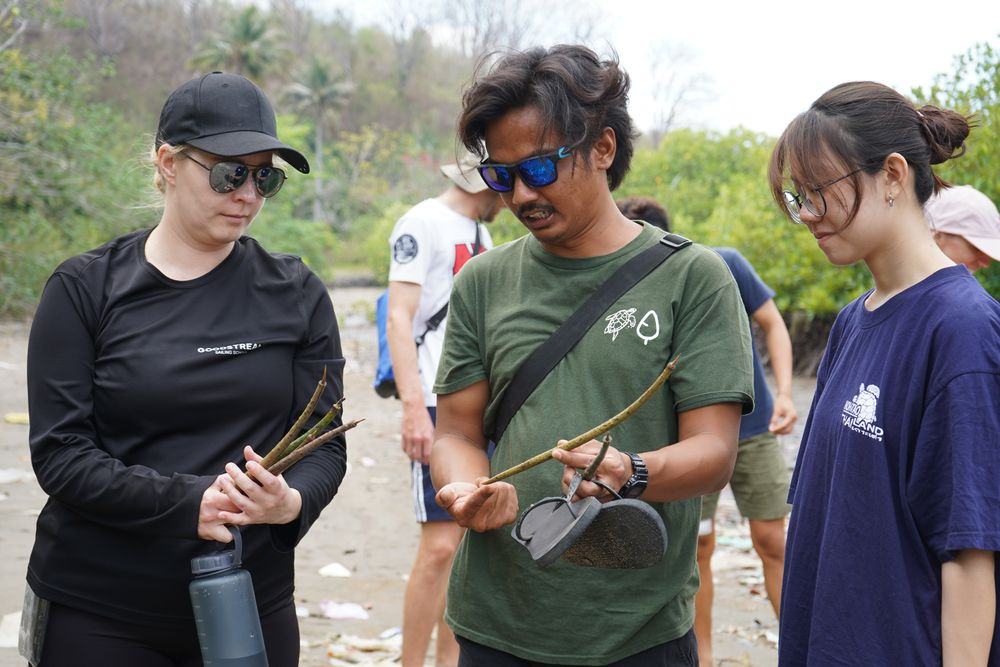
- Mangrove restoration
- Conservation dives
- Research and survey dives
Night dive some weeks
EveningFree time
2 - 3 dives
-
SatSaturday
Dive day
ID and clean-up
- Identification dives
- Conservation workshops
- Data logging
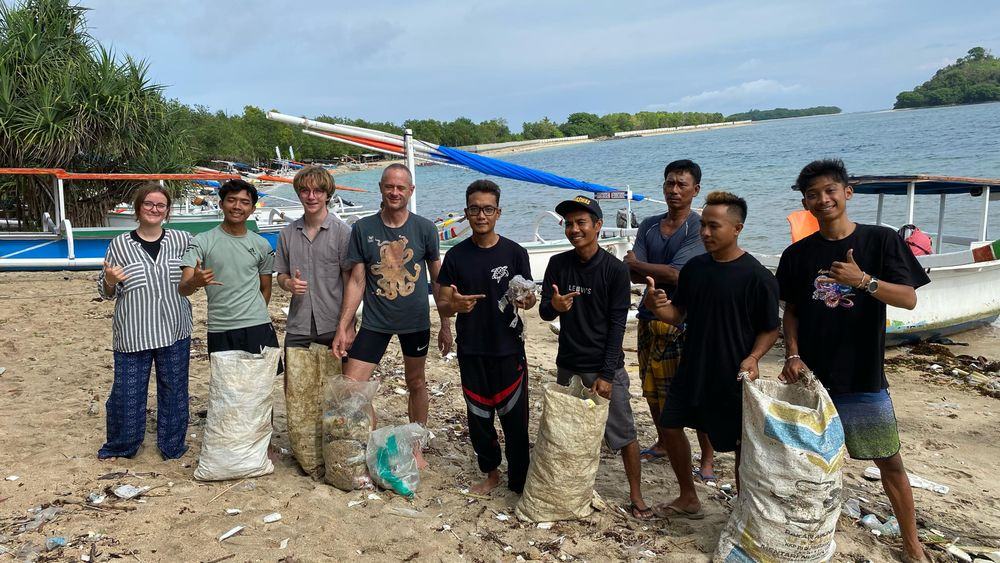
- Beach clean
Night dive some weeks
EveningMovie night
2 - 3 dives
-
SunSunday
Sunday Funday
A day together
- Fun dive out on the boat with the team
- Additional shore dives with your friends
- Games and down time
- A special Sunday dinner
EveningParty night
Fun dives
A typical dive day
From first light to dinner
- BreakfastTogether, before the first briefing
- First activityA briefing, then a dive or a lecture, as the tides decide the order
- Second activityAnother dive, or a lecture or workshop
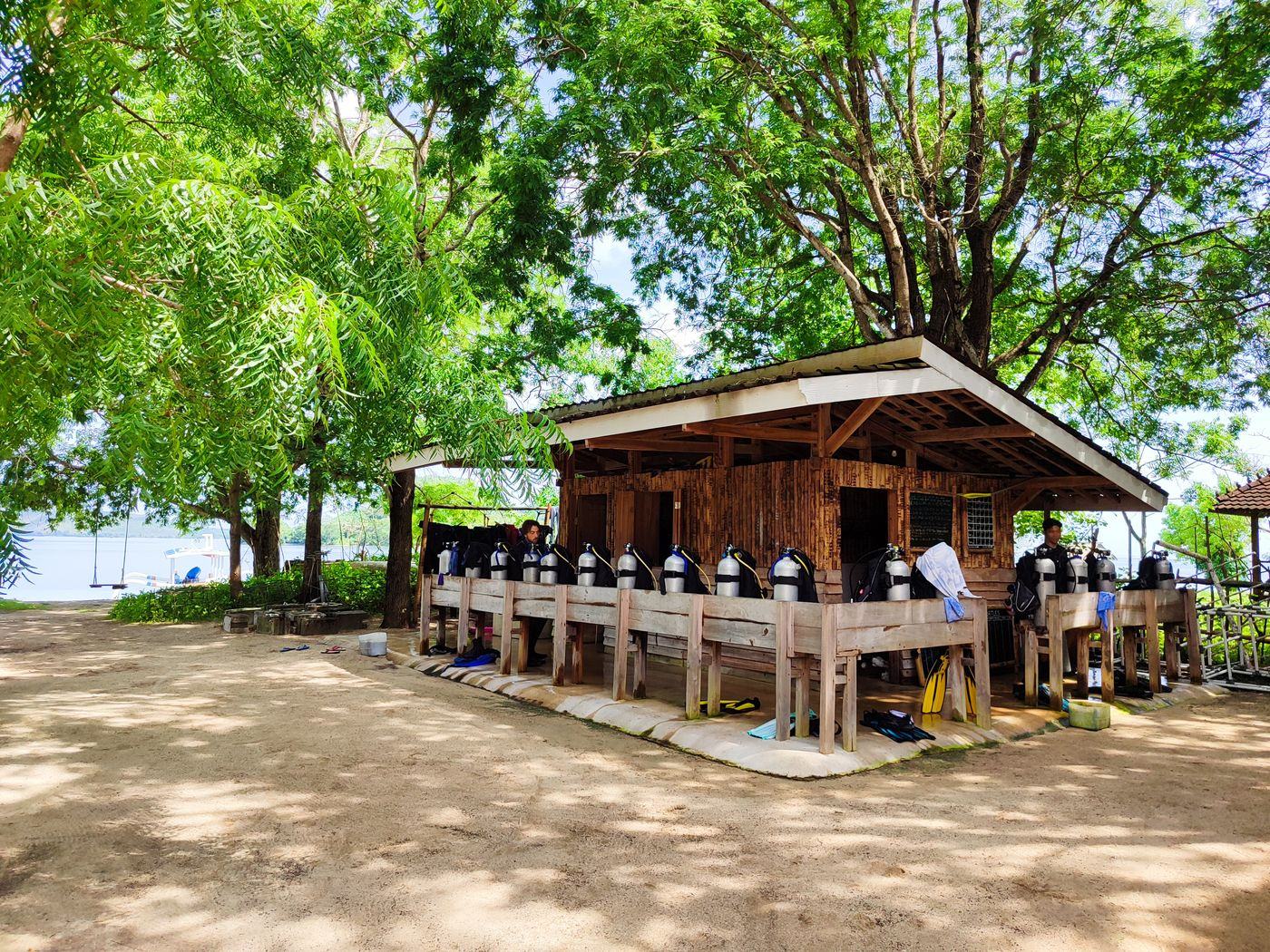
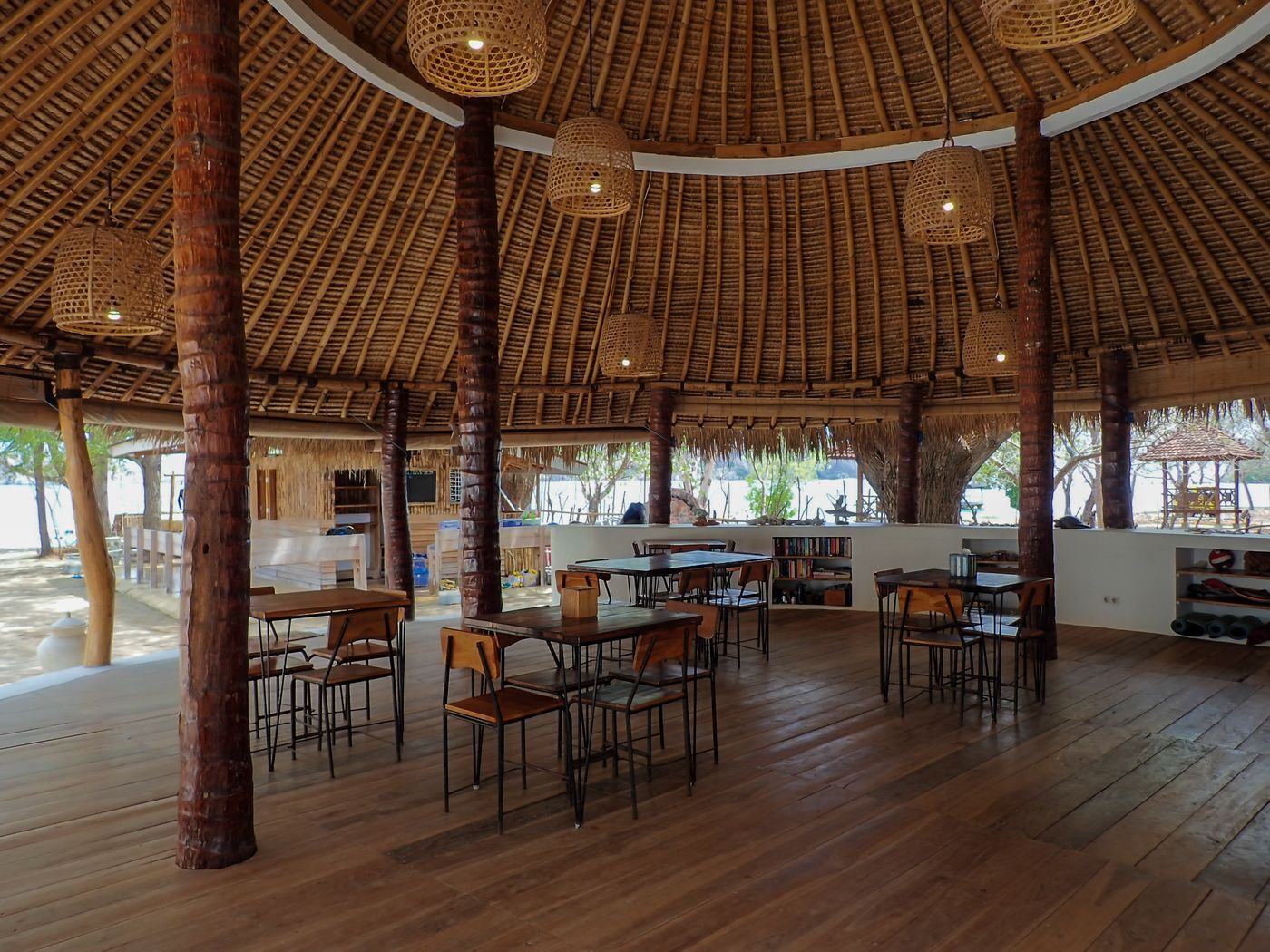
- LunchBack at the field centre
- AfternoonA third dive, or lectures and land activities
- DinnerThen the evening is yours
Before breakfast
The start of the day is yours. Some people head to the gym for a workout, roll out a mat for yoga on the platform or the beach, run through the mangroves or swim out over the reef. Others take a coffee and sit with the cats, listening to the birds and the waves. Everyone starts the day differently, and there is time to do it your way before breakfast at 7.
After dinner
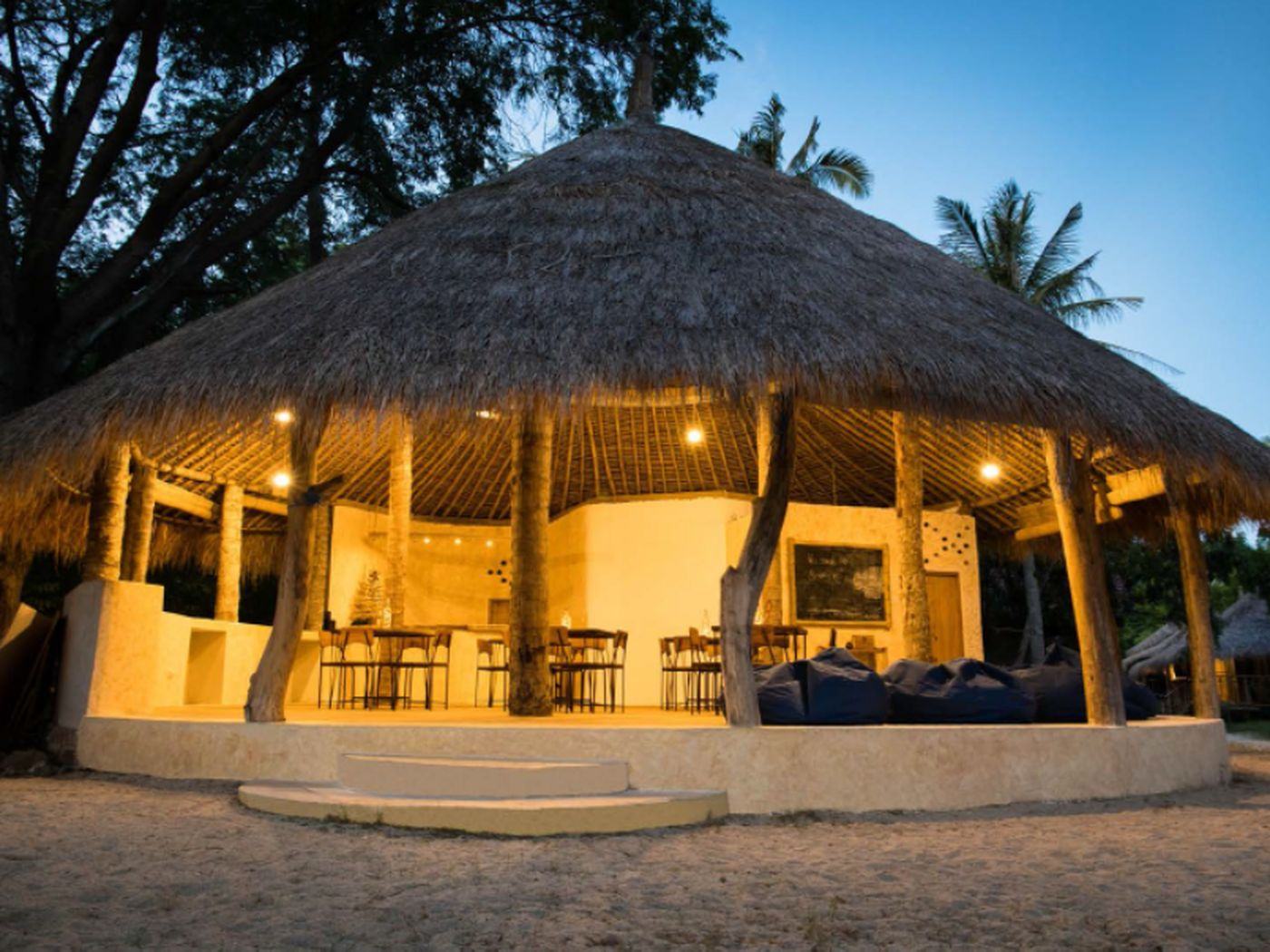
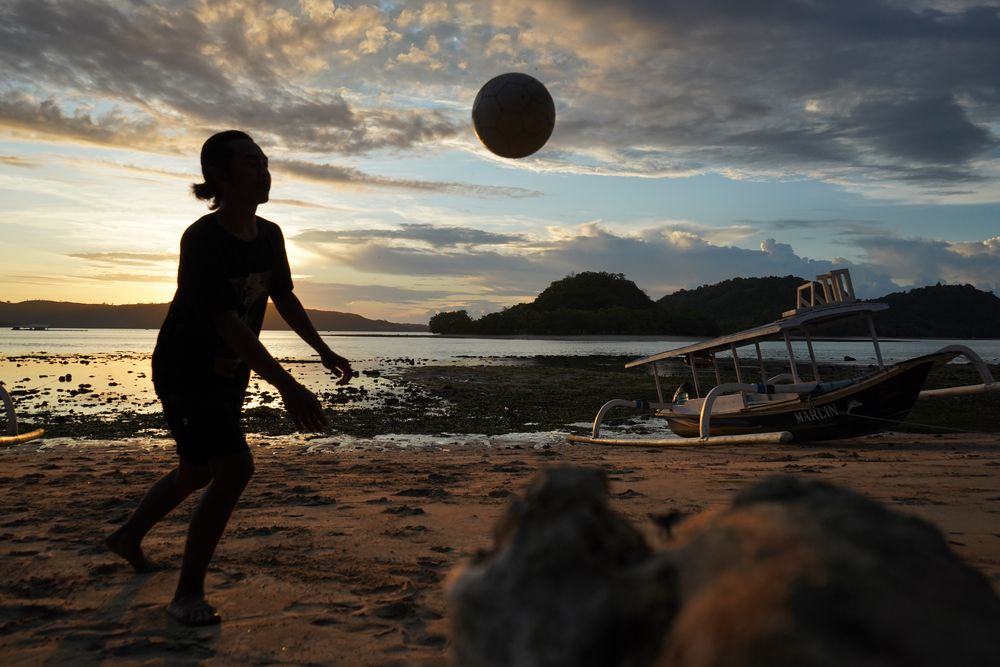
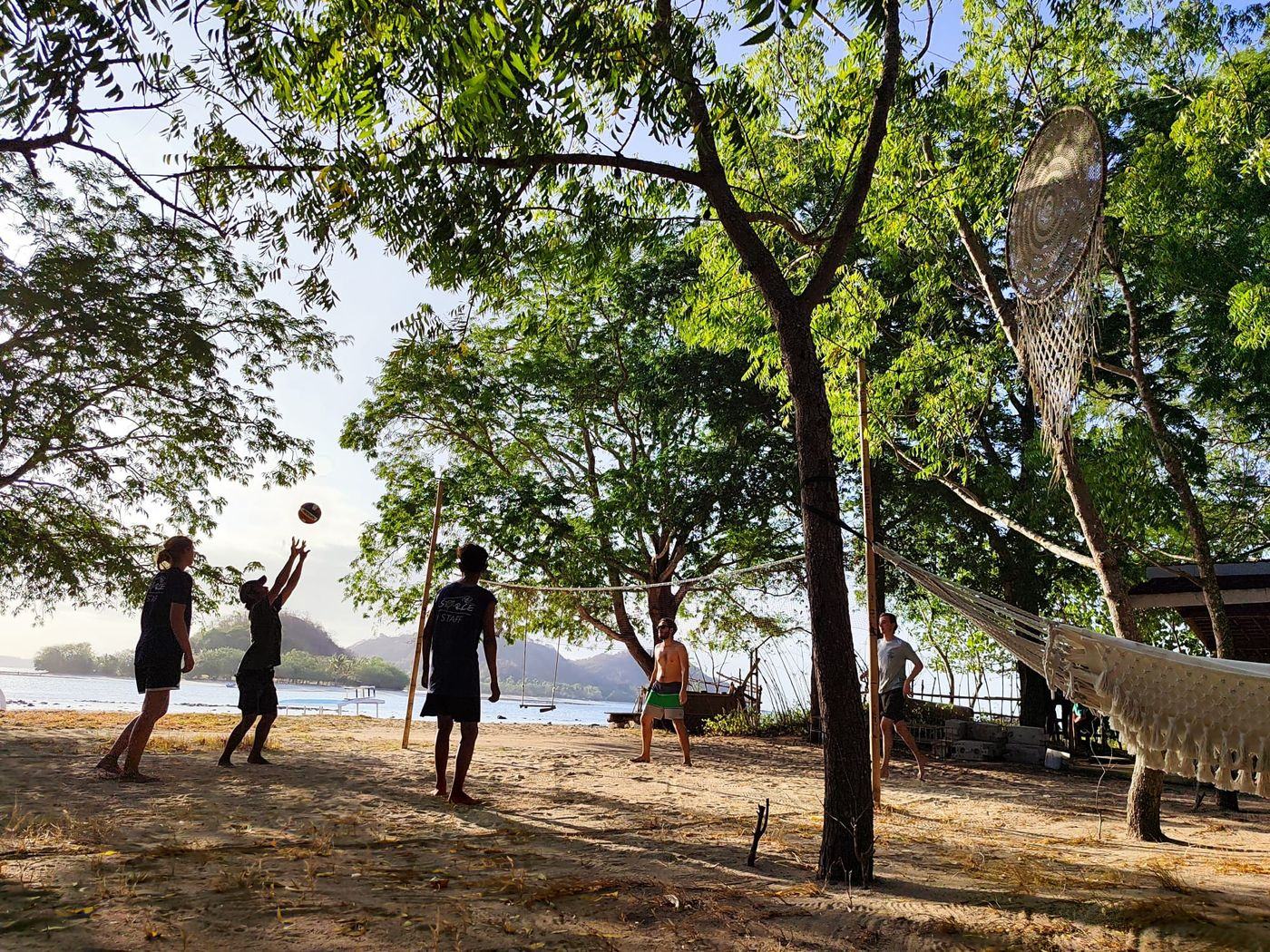
Some weeks there is a night dive, tides and interest permitting. Otherwise it is free time: board and card games, darts, table tennis and volleyball, a book or a hammock or a beanbag, or an early night. Some evenings have organised activities, though you are free to do your own thing, and some people head off-site.
On other expeditions
Conservation Divemaster: the same week, with much of the diving built around PADI training and, in time, leading the dives while our scientists lead the science.
Marine Science A-Level: its own syllabus lectures, for example half a day of theory every other day and land-based practicals between, with one to two dives on lecture days and two to three on days without.
An example week, not a timetable. Each day is planned the evening before, at the team's nightly meeting, around the weather, the tides and the day just gone.
Where your fees go
Your fee is the funding
SORCE is a non-profit organisation. What you pay goes to the science, the site and the people who keep both running.
- Research, conservation & education 59%
- Field operations 23%
- Organisation & governance 9%
- Participant living costs 9%
Figures show how fees were spent in the 2025-2026 financial year.
Before you ask
The three we hear most
Do I need to be a qualified diver?
Every expedition dives, so you'll need to be certified to at least PADI Open Water or an equivalent, but you don't have to arrive certified. If you aren't a diver yet, our own PADI instructors can teach your Open Water course as an add-on in your first few days, fitted around the start of your expedition, and you can do the theory online before you travel. The course is charged in addition to the expedition fee, and we recommend adding an extra week to your stay so you have time to grow confident underwater. The Conservation Divemaster asks for Advanced Open Water and Rescue Diver, and you can train up to both with us by arriving earlier.
When can I start, and how long should I stay?
Most of our expeditions start any Monday of the year, so you can build a placement around term dates, work or travel. The Marine Science A-Level runs to fixed dates twice a year, and the Conservation Divemaster has four cohorts a year. Minimum stays run from two weeks on Eco-Venture to sixteen weeks on the Marine Science A-Level, which is the length of the course. Every expedition can be extended up to twenty-five weeks in total; on the A-Level, any extra weeks are spent with us as an Eco-Venturer.
What is included in the cost of an expedition?
Your fee covers accommodation at the field centre, all meals, training and supervision, dive equipment and boats, and the running of the research and conservation projects you take part in. Flights, visas, insurance and personal spending are not included. A breakdown of where your fee goes is shown above.