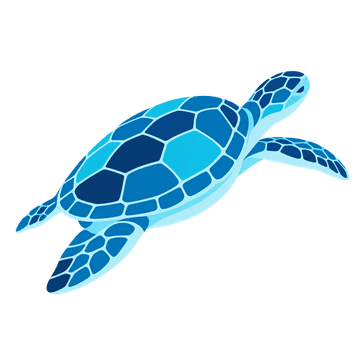
Cheloniidae
Green Turtle
Chelonia mydas
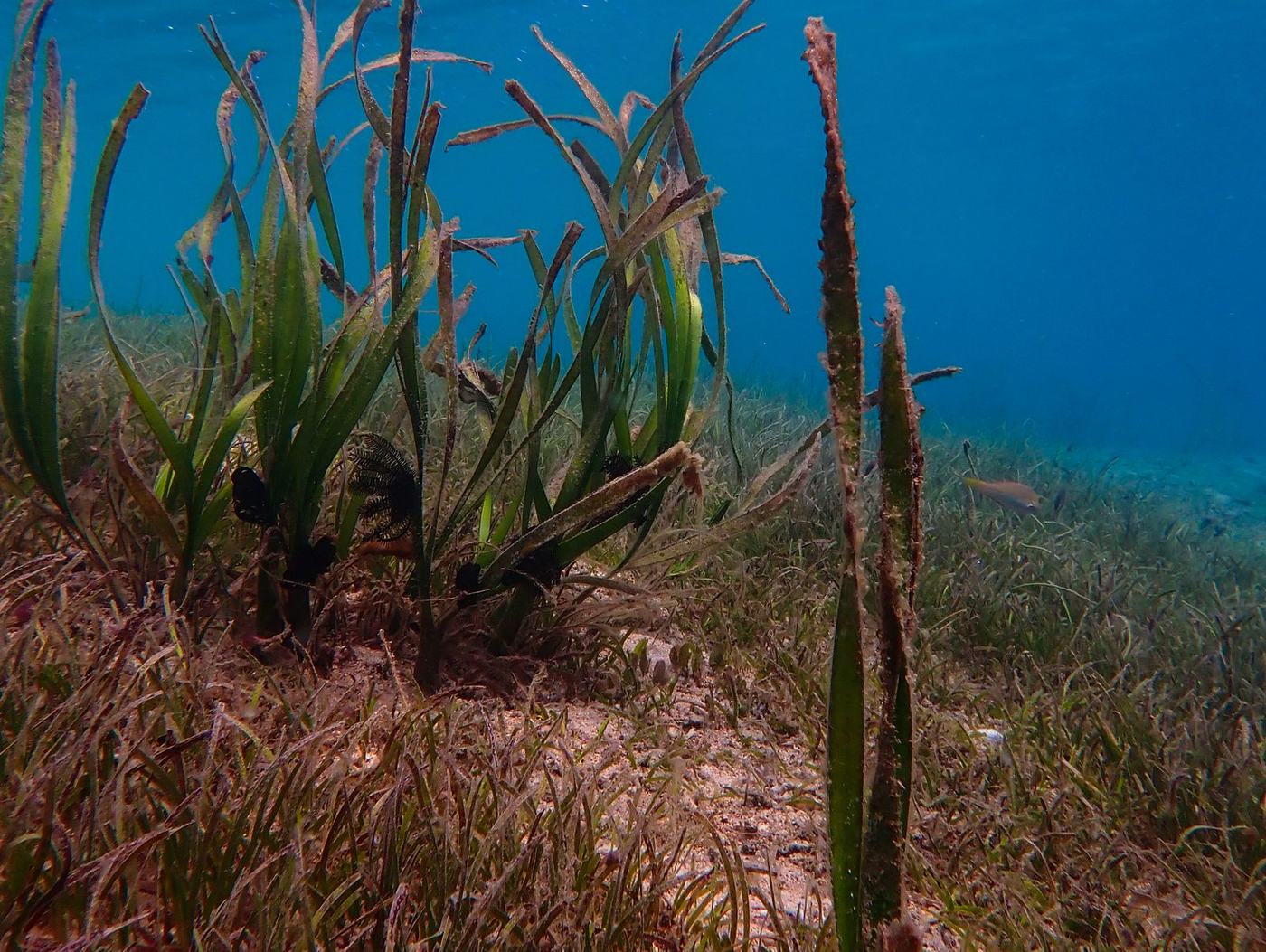
Green turtles occur around SORCE and can be met feeding or travelling through coastal habitats. Unlike most sea turtles, adults are largely herbivorous, which makes seagrass meadows particularly important feeding habitat across much of their range.
Look for A comparatively smooth, rounded head with a single pair of prefrontal scales between the eyes.
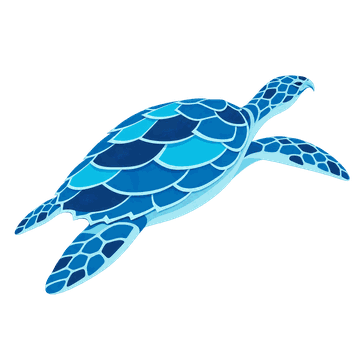
Cheloniidae
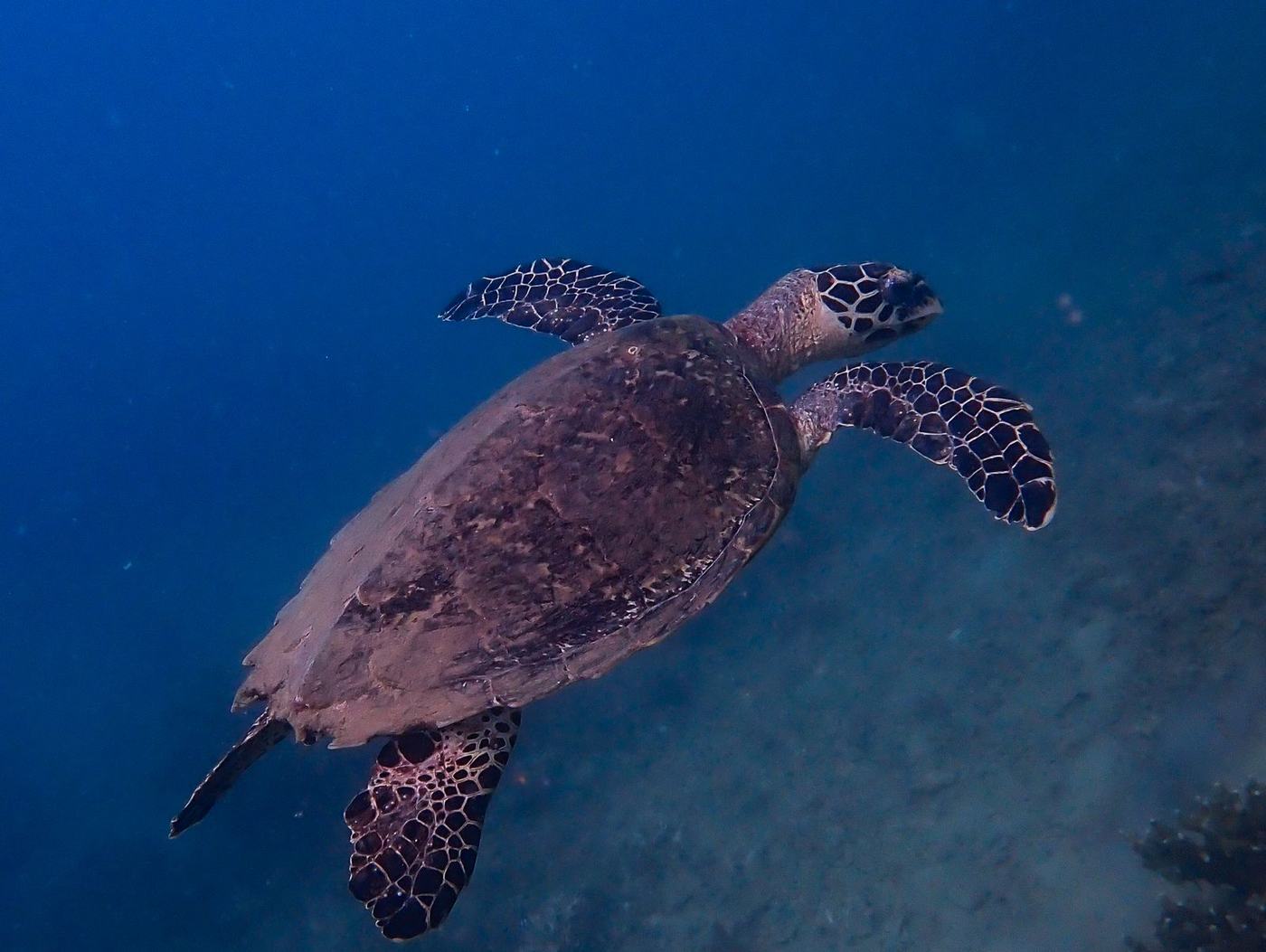
Hawksbill Turtle
Eretmochelys imbricata
Hawksbills are strongly associated with tropical reefs and feed extensively on reef organisms, particularly sponges. They are recorded through our marine monitoring and can be encountered on the reefs around the field site.
Look for The narrow, pointed beak that gives the species its name.
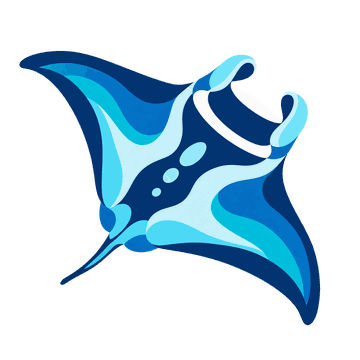
Mobulidae
Reef Manta Ray
Mobula alfredi
Manta rays are large, highly mobile filter feeders, taking zooplankton rather than hunting large prey. The pattern on the underside of each animal is unique, which is what makes photographic identification of individuals possible.
Look for The distinctive pattern of spots and markings on the underside.
Further afield Not usually seen on a SORCE expedition. They are found off the south coast of Sekotong, which our boat cannot reach. Many guests add a trip there with WildScuba Indonesia, booked directly with them.
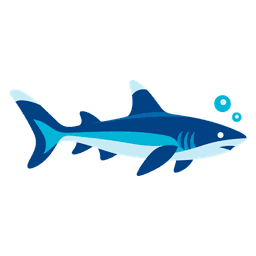
Carcharhinidae
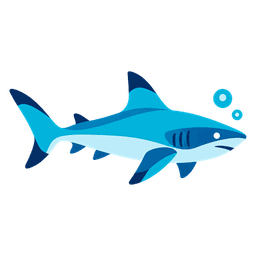
Whitetip Reef Shark
Triaenodon obesus
A slender, relatively small reef shark that often rests on the seabed or inside caves during the day and hunts at night, working into crevices for fish, octopus and crustaceans. Because individuals can stay faithful to the same reef for years, they are a useful indicator of how well a reef is holding its predators.
Look for Bright white tips on the first dorsal fin and the upper tail lobe.
Carcharhinidae
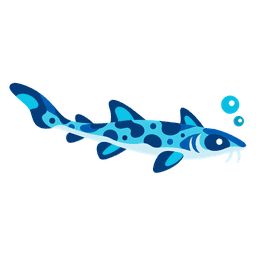
Blacktip Reef Shark
Carcharhinus melanopterus
One of the most familiar sharks of shallow Indo-Pacific reefs, often cruising over reef flats and along the edge of the reef in very little water. As an active predator of small fish, its presence and abundance say something about the health of the wider fish community.
Look for Crisp black tips on the fins, the first dorsal fin most of all, edged with a pale band.
Scyliorhinidae
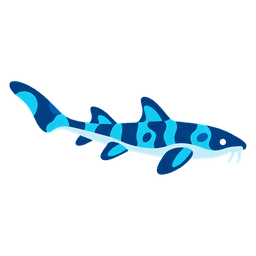
Coral Catshark
Atelomycterus marmoratus
A small, slim, nocturnal shark that spends the day hidden deep in reef crevices and emerges at night to feed on small fish and invertebrates. Rarely seen by divers, it is easily missed by visual surveys, which is part of what makes night dives and camera methods valuable.
Look for A marbled pattern of dark blotches and white spots along a long, slender body.
Hemiscylliidae
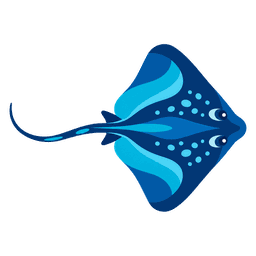
Bamboo Sharks
Chiloscyllium
Small, bottom-living sharks that shelter under ledges and among coral rubble by day and forage at night for crustaceans, worms and small fish. They can survive for a time in low-oxygen water, which lets them use shallow reef flats and lagoons that other sharks avoid.
Look for A long, slender tail and a small mouth with short barbels near the nostrils.
Dasyatidae
Jenkins' Whipray
Pateobatis jenkinsii
A large stingray of sandy bottoms near reefs and in shallow coastal water, feeding on crabs, shrimps and bottom-living fish that it digs out of the sediment. Feeding rays turn over the seabed as they go, which plays a real part in how soft-bottom habitats work.
Look for A broad, plain brownish disc with a row of thorns running down the middle of the back.

Aetobatidae
White-spotted Eagle Ray
Aetobatus ocellatus
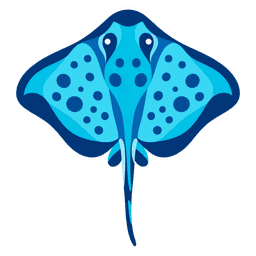
An elegant, wide-ranging ray that 'flies' through open water and over reefs and sand, often in small groups. It feeds mainly on hard-shelled prey such as clams and snails, crushing them with plate-like teeth, and moves between habitats in a way that links them together.
Look for A dark back covered in white spots, a pointed, duck-bill snout and a very long tail.
Dasyatidae
Kuhl's Stingray
Neotrygon kuhlii
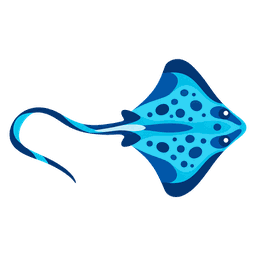
A small stingray, also known as the blue-spotted maskray, that lies on sand patches near reefs and in seagrass, often partly buried. It feeds on small crustaceans and worms, and its reliance on sandy and seagrass habitats makes it a good reminder that reefs depend on the areas around them.
Look for A dark band across the eyes like a mask, and scattered blue spots on a brownish disc.
Dasyatidae
Blue-spotted Ribbontail Ray
Taeniura lymma
One of the most commonly seen rays on Indo-Pacific reefs, sheltering under ledges and coral heads by day and moving onto sand to feed on molluscs, crabs and worms as the tide rises. Its bright colours make it one of the easiest rays for new divers to recognise.
Look for Vivid electric-blue spots on an oval, yellow-brown disc, and blue stripes along the tail.
Mobulidae
Bentfin Devil Ray
Mobula thurstoni
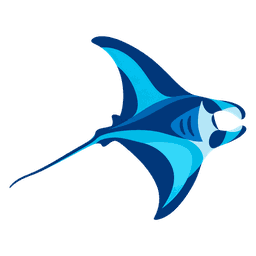
A smaller relative of the manta ray that feeds on plankton, often travelling and feeding in groups in open water. Like other devil rays it reproduces very slowly, producing a single pup at a time, which makes populations especially vulnerable to fishing pressure.
Look for A distinct double bend along the front edge of each wing, and a dark back with a white underside.
Further afield Not usually seen on a SORCE expedition. They are found off the south coast of Sekotong, which our boat cannot reach. Many guests add a trip there with WildScuba Indonesia, booked directly with them.
Sphyrnidae
Scalloped Hammerhead
Sphyrna lewini
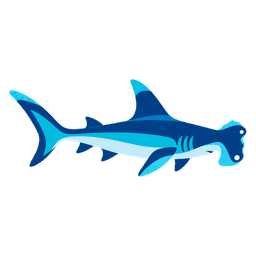
A large, schooling hammerhead that gathers over seamounts and reef drop-offs by day and hunts fish and squid at night. It is critically endangered globally, so every confirmed record is valuable for understanding where these sharks still occur.
Look for A broad, arched head with a notch in the centre of its front edge, giving it a scalloped outline.
Further afield Not usually seen on a SORCE expedition. They are found off the south coast of Sekotong, which our boat cannot reach. Many guests add a trip there with WildScuba Indonesia, booked directly with them.
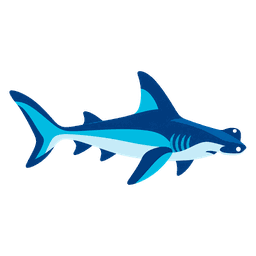
Sphyrnidae
Great Hammerhead
Sphyrna mokarran
The largest of the hammerheads, a mostly solitary predator that specialises in hunting rays and other bottom-living prey. Wide-ranging and slow to reproduce, it is critically endangered, and sightings help build a picture of how it uses coastal and reef habitats.
Look for A nearly straight front edge to the head and a very tall, sickle-shaped first dorsal fin.
Further afield Not usually seen on a SORCE expedition. They are found off the south coast of Sekotong, which our boat cannot reach. Many guests add a trip there with WildScuba Indonesia, booked directly with them.
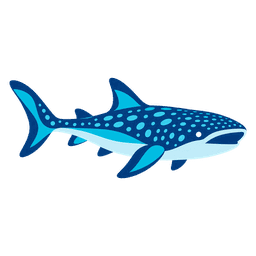
Rhincodontidae
Whale Shark
Rhincodon typus
The largest fish in the sea, a slow-moving filter feeder that strains plankton and small fish from the water. Its spot pattern is unique to each animal, so photographs of individuals feed into international databases that track their long-distance movements.
Look for A huge, broad, flat head with a wide mouth at the very front, and a back covered in pale spots and stripes.
Further afield Exceptionally rare here. Whale sharks have been recorded in the GITA NADA Marine Park and off the south coast of Sekotong, but they are not something to expect on a SORCE expedition.
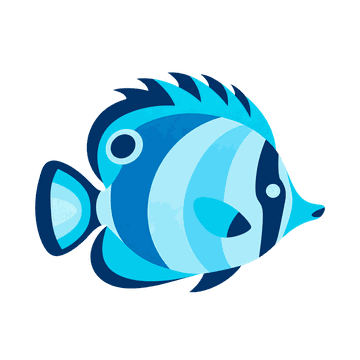
Family
Butterflyfishes
Chaetodontidae
Colourful, laterally compressed reef fishes with small mouths adapted to feeding on a range of reef resources. Some species feed extensively on coral polyps, which makes their abundance and composition interesting when studying coral reef communities.
Look for Deep, flattened bodies and often highly distinctive patterns.
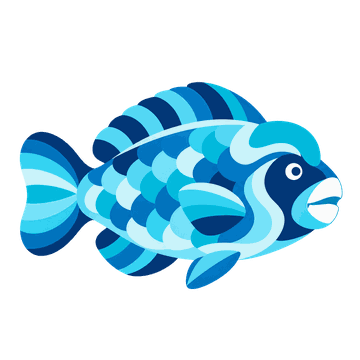
Family
Parrotfishes
Scaridae
Important reef grazers. Their fused teeth form a beak-like structure used to scrape or excavate food from reef surfaces, and through feeding some species also contribute to erosion and sediment production on the reef.
Look for The unmistakable parrot-like dental plates.
Family
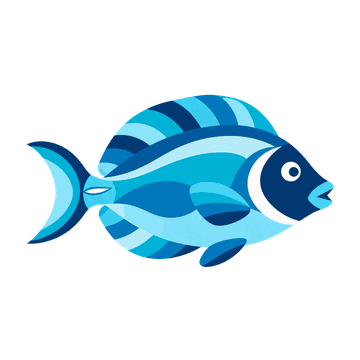
Surgeonfishes
Acanthuridae
Surgeonfishes include many of the reef's important herbivores and detritivores. The family takes its name from the sharp spine on each side of the caudal peduncle, near the tail.
Look for The spine beside the base of the tail. Observe, do not touch.
Family
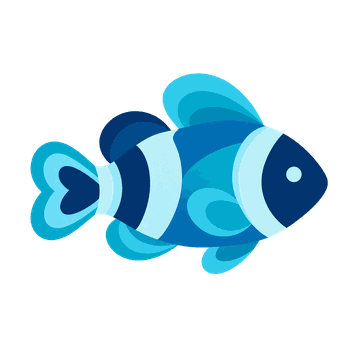
Damselfishes
Pomacentridae
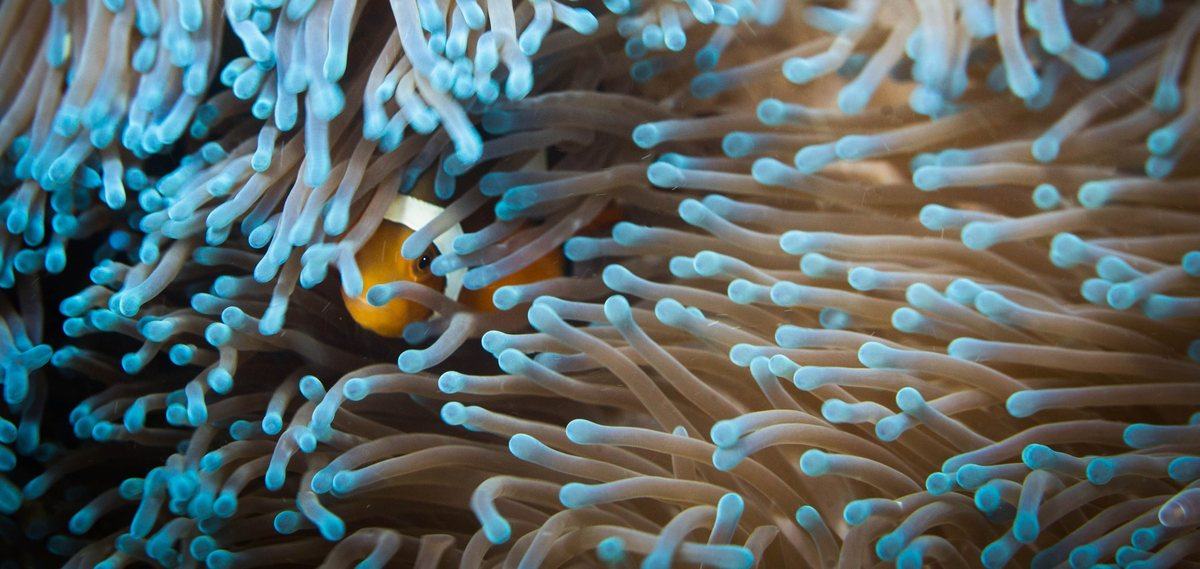
Small does not mean unimportant. Damselfishes are abundant and ecologically diverse, and the family includes territorial algal farmers, planktivores and the anemonefishes.
Look for Small, busy fishes closely tied to one particular patch of reef.
One of the most diverse and visually varied families on a tropical reef. Different species take very different ecological roles, including preying on invertebrates, cleaning other fishes, and crushing hard-shelled prey.
Look for Diversity. Learning wrasses quickly shows why colour alone is rarely enough to identify a fish.
Family
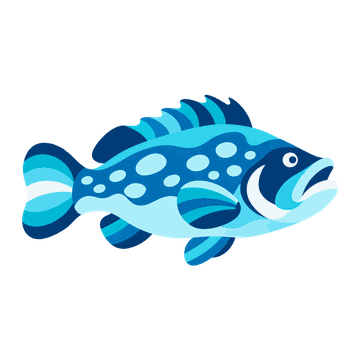
Groupers
Epinephelidae
Predominantly predatory fishes of considerable ecological and fisheries importance. Many are slow-growing and some form spawning aggregations, which can make populations particularly vulnerable to fishing pressure.
Look for Robust bodies, large mouths and classic ambush-predator proportions.
Family
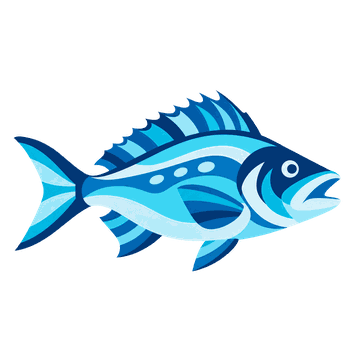
Snappers
Lutjanidae
Important predatory fishes across reef and coastal environments, and the basis of many fisheries. Juveniles and adults of some species use different habitats, another reminder of why connectivity between ecosystems matters.
Look for Sloping heads and a purposeful, patrolling way of moving.
Subfamily
Sweetlips
Plectorhinchinae
Named for their distinctive fleshy lips, and often seen resting around reef structure during the day. Juveniles of some species look dramatically unlike the adults.
Look for A juvenile harlequin sweetlips and its adult are hard to believe as one species.
Family
Trevallies
Carangidae
Fast-moving predators, including jacks and trevallies, usually found along reef edges and out into open water. Their streamlined bodies are built for efficient swimming and active predation.
Look for Silver, muscular and moving considerably faster than everything around them.
Family
Angelfishes
Pomacanthidae
Brightly patterned, deep-bodied reef fishes, many of which graze on sponges, algae and small invertebrates. Juveniles often look completely different from adults, and several species change sex, which makes their populations an interesting window into reef social structure.
Look for A strong spine on the lower edge of the gill cover, which separates them from the similar-looking butterflyfishes.
Carangidae
Queenfishes
Scomberoides
Fast, silvery predators of open water close to reefs and coasts, hunting smaller schooling fish near the surface. As mobile hunters they link the reef to the open water around it.
Look for A long, compressed silver body with a row of dark blotches along the side.
Carangidae
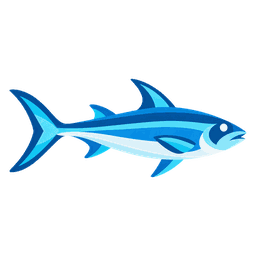
Rainbow Runner
Elagatis bipinnulata
A sleek, fast-swimming jack that travels in schools in open water and along reef edges, feeding on small fish and plankton. It often follows larger animals or drifting objects, making it a regular sight on blue-water and BRUV footage.
Look for Two narrow blue stripes with a yellow stripe between them running the length of a torpedo-shaped body.
Sphyraenidae
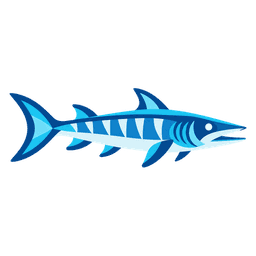
Barracudas
Sphyraena
Long, powerful ambush predators, some solitary and others hanging in large, slowly circling schools over the reef. As top predators of smaller fish, their numbers help indicate how complete the reef food web is.
Look for A long, silver, torpedo-shaped body and a jutting lower jaw full of sharp teeth.
Family
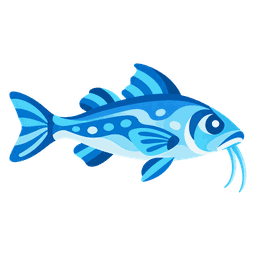
Goatfishes
Mullidae
Bottom feeders that probe sand and rubble with a pair of chin barbels, stirring up the sediment to find worms and small crustaceans. Other fish often follow them to pick off prey they disturb, a small example of how reef species depend on one another.
Look for A pair of long, whisker-like barbels under the chin, constantly working the sand.
One of the largest families of marine fishes, mostly small and bottom-living, found in almost every reef microhabitat. Some share burrows with snapping shrimps, standing guard while the nearly blind shrimp keeps the burrow clear.
Look for A small, elongated fish perched on the bottom, often with its pelvic fins joined into a small sucker.
Family
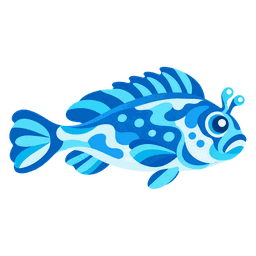
Blennies
Blenniidae
Small, often characterful fishes that live in holes and crevices, many grazing algae from rock and coral. Their feeding helps keep algae in check, and some mimic cleaner fish to take bites out of unwary hosts.
Look for A blunt head poking out of a hole, often with small branched tentacles (cirri) above the eyes.
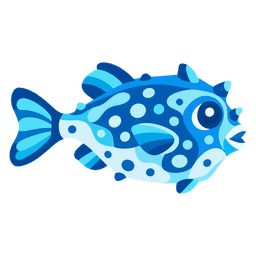
Family
Boxfishes
Ostraciidae
Slow-swimming fishes encased in a rigid, box-like shell of fused bony plates, feeding on algae and small invertebrates. Many release a toxin when stressed, so they rely on their armour and bright warning colours rather than speed.
Look for A boxy, armoured body with a small mouth and fins that seem too small to move it.
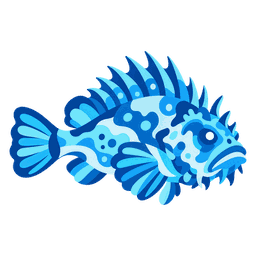
Family
Scorpionfishes
Scorpaenidae
Well-camouflaged ambush predators that sit motionless on the reef waiting for prey, and include the spectacular lionfishes. Their venomous fin spines are a defence, not a weapon, which is why divers learn to look carefully before touching anything.
Look for A stocky, mottled body with fleshy flaps and a large mouth, blending almost perfectly into the reef.
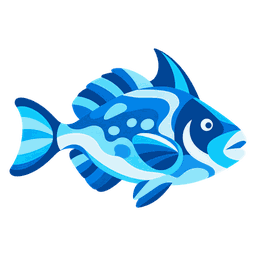
Family
Triggerfishes
Balistidae
Strong-jawed fishes that crush hard-shelled prey such as sea urchins, crabs and molluscs. By eating urchins they help control grazers on the reef, and some species guard their nests fiercely during the breeding season.
Look for A first dorsal spine that locks upright like a trigger, and eyes set high on a deep, oval body.
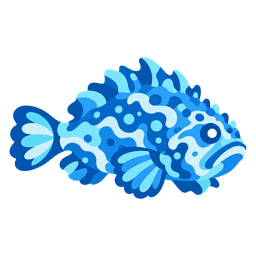
Synanceiidae
Stonefishes
Synanceia
Masters of camouflage that look almost exactly like a lump of rock or rubble, lying still until prey swims within reach. They carry some of the most potent venom of any fish, a key reason divers are taught never to put their hands down on the reef.
Look for A lumpy, warty body the colour of the surrounding rock, with an upturned mouth and eyes on top of the head.
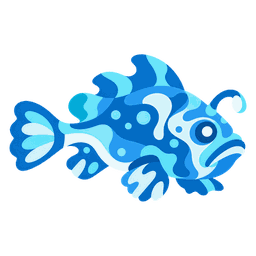
Family
Frogfishes
Antennariidae
Globular ambush predators that 'walk' on their fins and lure prey with a modified fin spine tipped with a fleshy bait. They can swallow prey almost as large as themselves in a fraction of a second.
Look for A round, lumpy body, leg-like fins and a small lure dangling above the mouth.
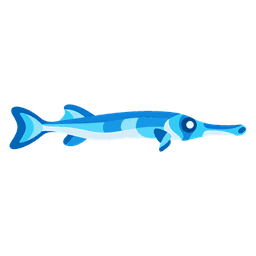
Aulostomidae
Trumpetfish
Aulostomus chinensis
A long, slender predator that hovers head-down among sea fans and branching corals, or shadows larger fish to sneak up on prey. It feeds by suddenly expanding its tube-like snout to suck in small fish.
Look for A very long, stick-like body with a tubular snout and a tiny barbel on the chin.
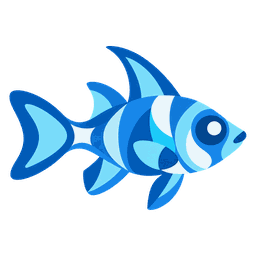
Family
Cardinalfishes
Apogonidae
Small, often large-eyed fishes that shelter in reef crevices and among branching corals by day and feed on plankton at night. In most species the male broods the eggs in his mouth until they hatch.
Look for Big eyes, two separate dorsal fins and a habit of hovering in small groups among coral branches.
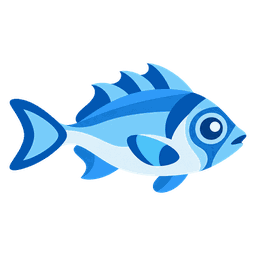
Family
Monocle Breams
Nemipteridae
Slim, active fishes that hover just above sand and rubble near reefs, darting down to feed on small invertebrates. Because they favour the sand and rubble between coral patches, they help show how reef-edge habitats are being used.
Look for A white line or band behind the eye and a habit of pausing in mid-water before darting off.
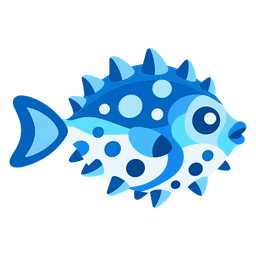
Family
Pufferfishes
Tetraodontidae
Slow, curious fishes that defend themselves by inflating with water and, in many species, carrying a powerful toxin. Their fused, beak-like teeth let them crunch hard prey such as snails, crabs and coral.
Look for A rounded body, a beak-like mouth and the ability to swell into a ball when threatened.
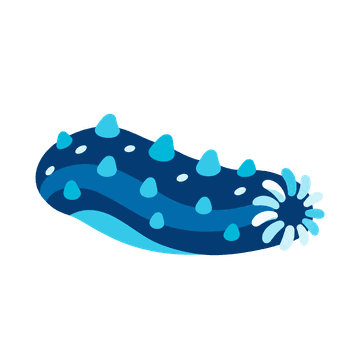
Class
Sea Cucumbers
Holothuroidea
Important benthic animals that process sediment and recycle organic material, and a group commonly recorded in reef monitoring.

Class
Sea Urchins
Echinoidea
Many urchins are significant grazers, and their feeding can shape algal communities and the reef surface itself.
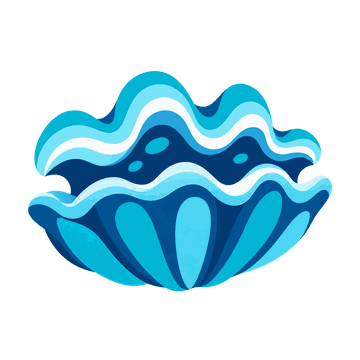
Subfamily
Giant Clams
Tridacninae
Large reef-associated bivalves that host photosynthetic symbionts in their tissues, much as reef-building corals do.
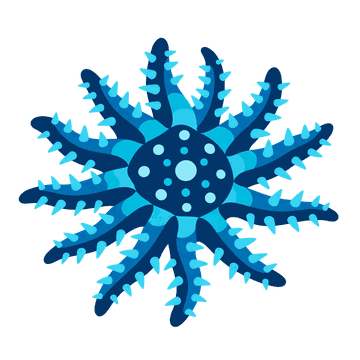
Genus
Crown-of-Thorns Starfish
Acanthaster spp.
Coral-eating sea stars. At normal densities they are part of the system; in outbreaks they can cause substantial coral mortality, which is why they are counted rather than simply noted.
Genus
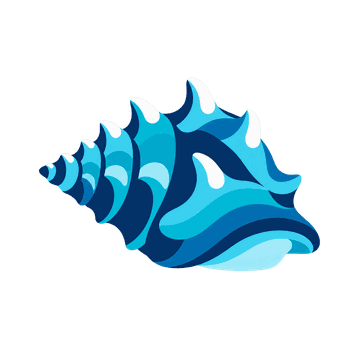
Drupella Snails
Drupella spp.
Corallivorous gastropods feeding on living coral tissue. Easy to overlook individually, and significant when present in high densities.
Family
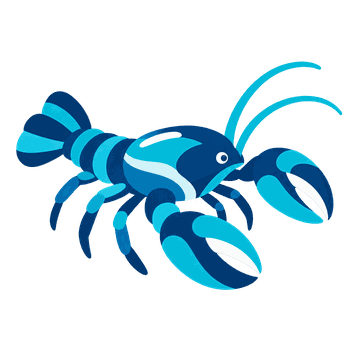
Lobsters
Palinuridae
Large reef-associated crustaceans, ecologically important and commercially valuable, a combination that makes them worth monitoring.
Order
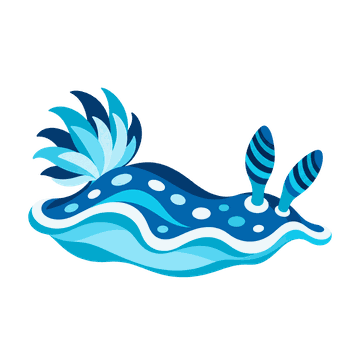
Nudibranchs
Nudibranchia
Shell-less marine gastropods, famous for an extraordinary diversity of form, colour and chemical defence. A favourite of photographers and a genuine taxonomic challenge.
Sepiidae
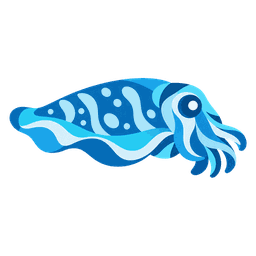
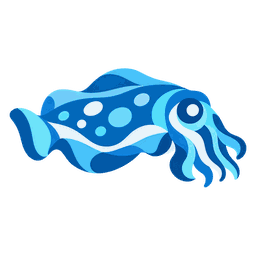
Broadclub Cuttlefish
Sepia latimanus
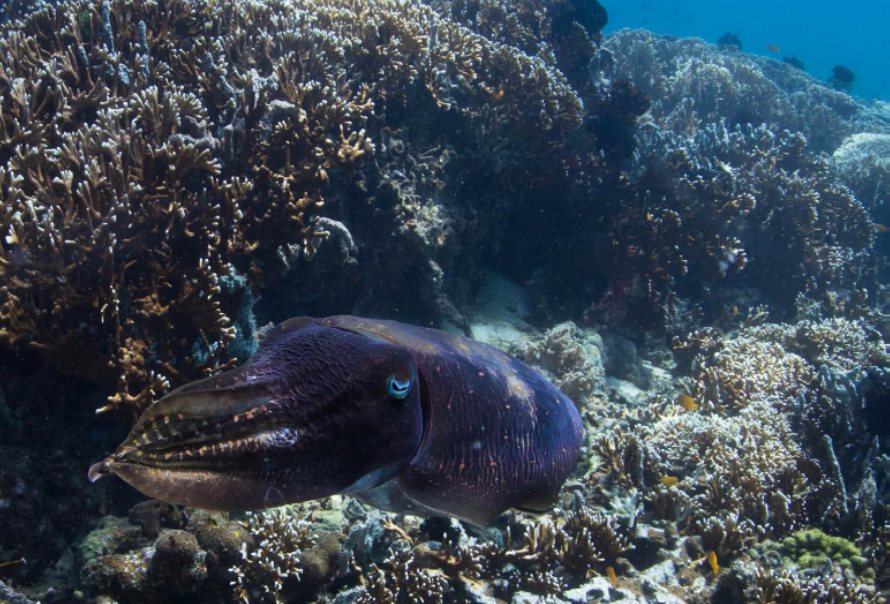
A large reef cuttlefish that hunts fish and crustaceans by hypnotic waves of colour rippling across its body before striking with its tentacles. Like all cuttlefish it can change colour and skin texture in an instant, using it for camouflage, hunting and courtship.
Look for A broad, flattened body edged by a rippling fin, and flashing bands of colour passing over the skin.
Sepiidae
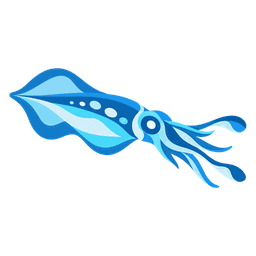
Dwarf Cuttlefish
Sepia bandensis
A small cuttlefish of shallow sand, rubble and seagrass that relies on camouflage rather than size to survive. It is a favourite of muck divers for the way it shifts colour and raises small skin flaps to match its surroundings.
Look for A little cuttlefish only a few centimetres long, often mottled brown with tiny raised flaps on its skin.
Loliginidae
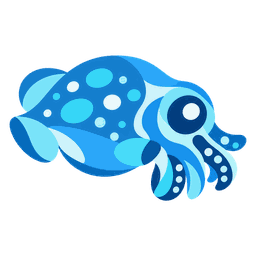
Bigfin Reef Squid
Sepioteuthis lessoniana
A squid of reefs and seagrass that often hovers in small groups in shallow water, watching divers with large eyes. It grows very quickly and lives only around a year, so populations respond fast to changes in their environment.
Look for A long fin running almost the full length of the body, giving it a cuttlefish-like outline.
Sepiolidae
Bobtail Squid
Euprymna
Tiny, round-bodied squid that bury in the sand by day and hunt at night. Some carry light-producing bacteria in a special organ, using the glow to cancel out their own shadow against moonlight.
Look for A small, rounded body with short fins like ears, usually seen at night on sand.

Octopodidae
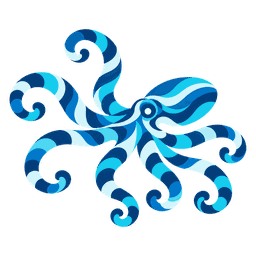
Day Octopus
Octopus cyanea
Unusually for an octopus, it hunts actively in daylight, roaming the reef and probing holes for crabs, shrimps and fish. Its den is often marked by a pile of discarded shells, which can reveal what it has been eating.
Look for A large octopus with an oval eye-spot at the base of the arms, constantly changing colour as it moves.
Octopodidae
Mimic Octopus
Thaumoctopus mimicus
A sand-dwelling octopus famous for impersonating other animals, such as lionfish, sea snakes and flatfish, apparently to deter predators. It was only described by science in the late 1990s, a reminder of how much is still being discovered in Indonesian waters.
Look for Striking brown and white stripes on long, slender arms, and a habit of changing shape as well as colour.
Octopodidae
Wonderpus
Wunderpus photogenicus
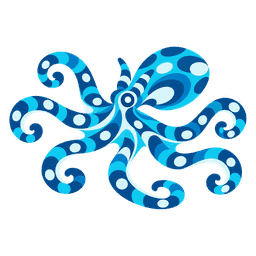
A slender, strikingly patterned octopus of sand and rubble slopes, closely related to the mimic octopus. Its spot and stripe pattern is unique to each animal, which makes individuals identifiable from photographs.
Look for Very long, thin arms banded in rusty orange and white, with a distinctive pattern on the head.
Octopodidae
Blue-ringed Octopus
Hapalochlaena
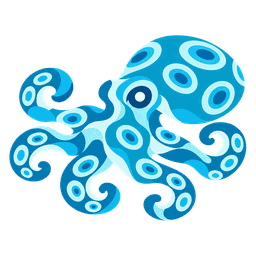
A small octopus that hides in rubble and shells and, when disturbed, flashes bright blue rings as a warning. Its bite carries a powerful neurotoxin, so it is one of the animals divers learn to admire from a distance.
Look for Iridescent blue rings that pulse brightly across a yellowish body when it feels threatened.
Thoridae
Squat Shrimp
Thor amboinensis
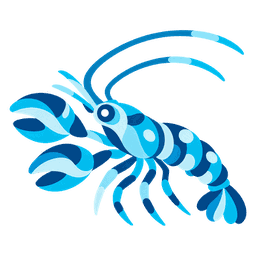
A tiny shrimp that lives among sea anemones and corals, often called the sexy shrimp for the way it sways its tail. Its partnership with anemones gives it shelter, and it is one of many small species whose presence depends on its host.
Look for A small brown shrimp with white spots, holding its tail cocked upright and swaying it rhythmically.
Hymenoceridae
Harlequin Shrimp
Hymenocera picta
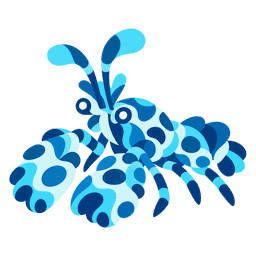
A beautiful, pairing shrimp that feeds almost entirely on sea stars, flipping them over and eating them slowly. By preying on starfish, including young crown-of-thorns, it plays a small part in keeping coral predators in check.
Look for White body with large pink or purple spots and flattened, petal-like claws.
Stenopodidae
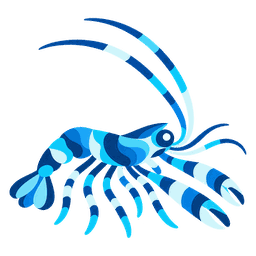
Banded Coral Shrimp
Stenopus hispidus
A cleaner shrimp that sets up a station in a crevice and removes parasites and dead skin from visiting fish. Cleaning stations like these are important to reef health, and fish will queue to be serviced.
Look for Red and white banded body and claws, with very long white antennae waving from a crevice.
Odontodactylidae
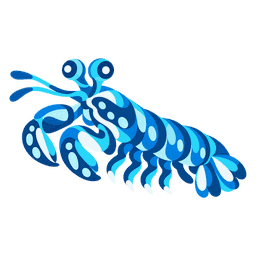
Peacock Mantis Shrimp
Odontodactylus scyllarus
A brightly coloured predator that smashes shells with club-like appendages, striking with one of the fastest movements in the animal world. It also has one of the most complex visual systems known, able to see polarised and ultraviolet light.
Look for Vivid green, blue and orange colours and a pair of folded, club-shaped front limbs.
Lysiosquillidae
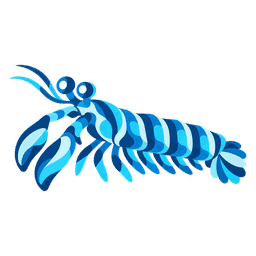
Tiger Mantis Shrimp
Lysiosquillina maculata
A large mantis shrimp that lives in a burrow in the sand and ambushes passing prey with spear-like front limbs. Pairs can share a burrow for years, and they are usually seen only as a pair of eyes and a striped face at the entrance.
Look for Bold dark bands across the body and stalked eyes watching from a sand burrow.

Acroporidae
Acropora
Acropora spp.
One of the most diverse and recognisable reef-building genera, with branching, plating and tabular forms. Fast-growing relative to many corals, and correspondingly sensitive to heat stress.
Look for An axial corallite at the tip of each branch, the feature that defines the genus.
Poritidae
Porites
Porites spp.
Slow-growing and long-lived, forming massive boulder colonies that can persist for centuries and record environmental history in their skeletons.
Look for Smooth, dense colonies with very small corallites.
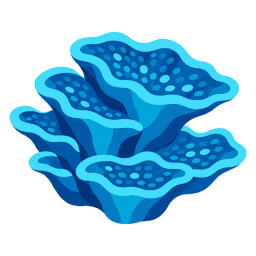
Acroporidae
Montipora
Montipora spp.
Highly variable, appearing as encrusting, plating or foliose colonies depending on conditions, a good illustration of why growth form is a clue rather than an identification.
Look for A finely textured surface, often with a papery look where it plates.
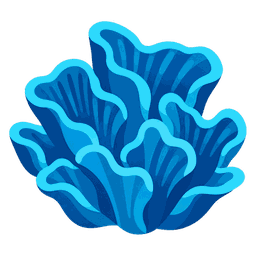
Agariciidae
Pavona
Pavona spp.
Encrusting to foliose corals which can be locally abundant, and are among the genera regularly recorded in our benthic monitoring.
Look for Ridged, leafy plates with a soft, almost velvet surface.

Pocilloporidae
Seriatopora
Seriatopora
A delicate branching coral with thin, finely tapering branches that form dense, bushy colonies, often called birdsnest coral. Its fragile structure shelters small fish and invertebrates, but also makes it sensitive to physical damage, sedimentation and heat stress.
Look for Very fine, needle-like branch tips with the corallites arranged in neat rows along each branch.

Pocilloporidae
Stylophora
Stylophora
A fast-growing branching coral with stubby, rounded branches, common on shallow reef flats and slopes. Because it grows and recolonises quickly, it is often among the first corals to return after disturbance, which makes it useful for tracking reef recovery.
Look for Thick, blunt branch ends that look slightly swollen, like fingers, often covered in a fine fuzz of polyps.
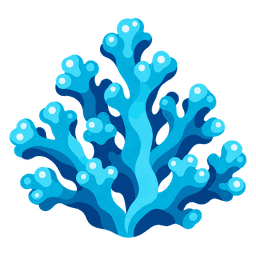
Pocilloporidae
Pocillopora
Pocillopora
A robust branching coral forming compact, bush-like colonies that are a familiar part of shallow Indo-Pacific reefs. The spaces between its branches are home to crabs, shrimps and small fish, some of which help defend the colony from predators such as crown-of-thorns starfish.
Look for Branches covered in small, wart-like bumps (verrucae) rather than smooth surfaces.
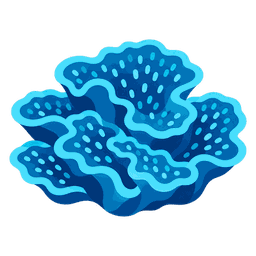
Merulinidae
Echinopora
Echinopora
A variable coral that can grow as plates, leafy whorls, encrusting sheets or branching forms, depending on species and conditions. Its large plate-forming colonies add important structure and shade to the reef, creating shelter beneath them.
Look for Spiky, raised corallites scattered across a rough, prickly-looking surface.
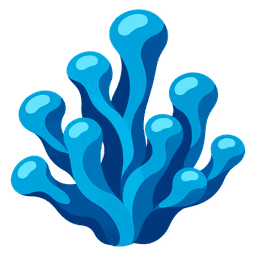
Merulinidae
Paraclavarina
Paraclavarina triangularis
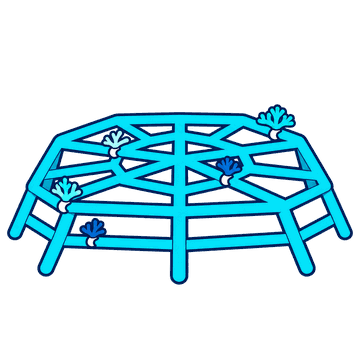
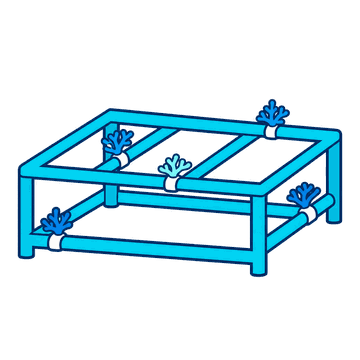
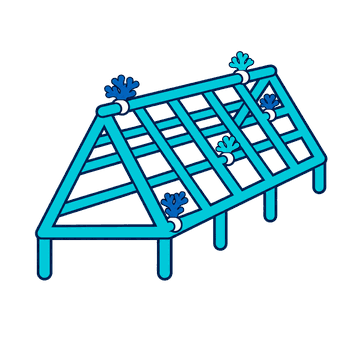
A distinctive branching coral whose branches are often angular rather than round in cross-section. It is one of the corals studied in our coral-tree nursery, where its growth and survival help show which species respond best to restoration.
Look for Upright branches that look flattened or triangular in cross-section, often pale green or brown.
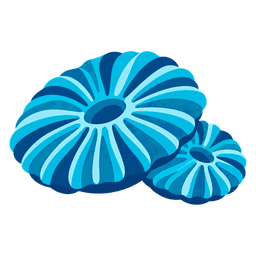
Family
Mushroom Corals
Fungiidae
Unusual corals in which many species are a single, large, free-living polyp that is not attached to the reef as an adult. They can slowly move and right themselves if overturned, and often gather on sand and rubble between reef patches.
Look for A round or oval disc lying loose on the seabed, with ridges radiating from a central mouth like the gills of a mushroom.
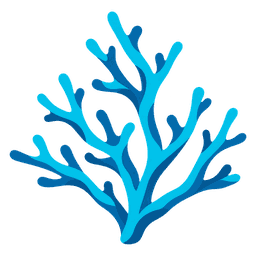
Acroporidae
Anacropora
Anacropora
A branching relative of Acropora that tends to grow in sheltered, often turbid water on reef slopes and in lagoons. Its thin, open branches are fragile but grow quickly, helping build structure in calmer parts of the reef.
Look for Slender branches like Acropora, but without the single larger polyp at the very tip of each branch.
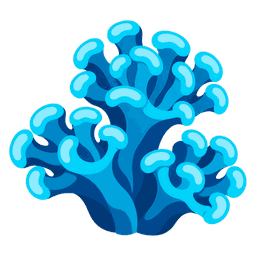
Euphylliidae
Euphyllia
Euphyllia
A large-polyp coral whose long, fleshy tentacles stay extended during the day, giving the colony a soft, flowing look. The tentacles carry powerful stinging cells, which the coral uses to hold space against its neighbours on a crowded reef.
Look for Long tentacles with swollen tips shaped like small hammers, anchors or torches, hiding the skeleton beneath.
Euphylliidae
Galaxea
Galaxea
A common coral forming mounds or encrusting colonies made up of many small, separate polyp cups. It is an aggressive competitor, extending long sweeper tentacles at night to sting neighbouring corals that grow too close.
Look for Star-like, raised corallites with delicate, lacy edges standing out from the colony surface.
Acroporidae
Isopora
Isopora
A robust relative of Acropora that forms thick branches, columns or encrusting plates, often in shallow, wave-exposed water. Unusually for its family, it broods its larvae rather than releasing eggs and sperm into the water, so new colonies tend to settle close to their parents.
Look for Chunky, blunt branches or ridges that lack the single larger polyp at the tip seen in Acropora.
Lobophylliidae
Oxypora
Oxypora
A thin, plate-forming coral that grows as delicate laminar sheets, often on reef slopes where it spreads out to catch light. Its flat, overlapping plates create shaded spaces beneath them used by small fish and invertebrates.
Look for Thin plates with small, spiny ridges and pits running across the surface, often with lighter edges.
Merulinidae
Pectinia
Pectinia
A leafy coral with tall, thin, upright walls that twist and fold into complex shapes, often called lettuce coral. It tends to grow in calmer, sheltered water, where its intricate structure provides hiding places for small reef animals.
Look for Tall, sharp-edged ridges and spires rising from the colony like crumpled lettuce leaves.
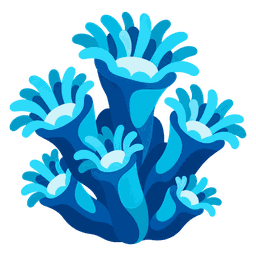
Dendrophylliidae
Tubastraea
Tubastraea
Known as sun corals, these colourful corals have no symbiotic algae, so they do not depend on sunlight and can grow in caves, under overhangs and on shaded walls. They feed by extending their tentacles to catch plankton, usually at night.
Look for Clusters of bright orange or yellow cup-shaped polyps, opening into daisy-like tentacles after dark.
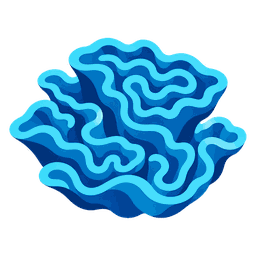
Merulinidae
Merulina
Merulina
A coral forming flat or gently folded plates, sometimes with short upright branches, found across a wide range of reef habitats. Its broad plates help shade the reef below and add to the structural complexity that supports reef fish.
Look for Long, fan-shaped valleys and ridges radiating out across the plates from the centre of the colony.